


Key Business Points
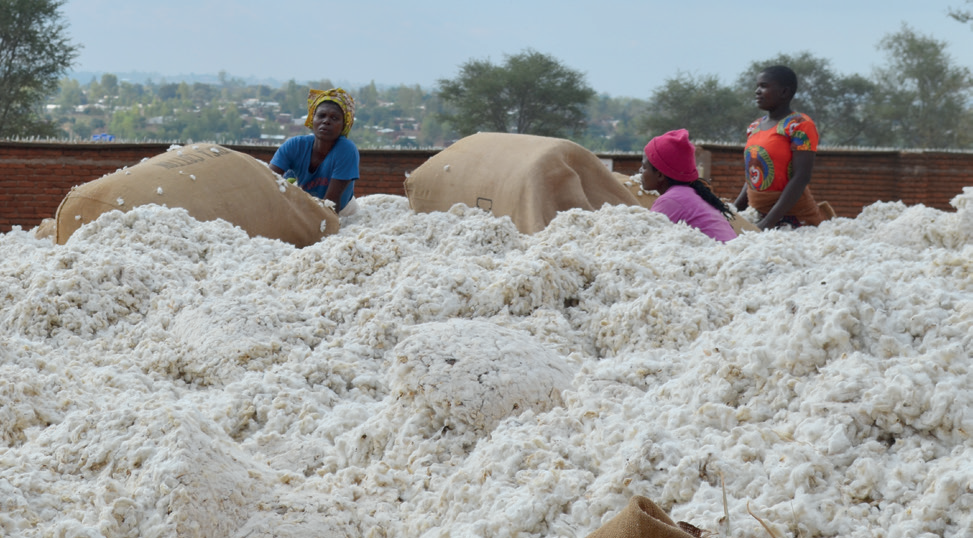
- Illovo Sugar (Malawi) plc has expanded its cotton-growing venture to 700 hectares, aiming to earn $600 000 from the cash crop.
- The company’s cotton production is focused on working with local communities and generating foreign exchange to support its sugar business, with opportunities being explored in the Shire Valley.
- Despite a 25% drop in Malawi’s cotton output to 6 000 metric tonnes, revenues rose to K7.8 billion, driven by higher prices, with the industry seeking to address challenges such as pests, drought, and pesticides to boost production.
Illovo Sugar (Malawi) plc’s expansion of its cotton-growing venture is a significant development for Malawi’s business community, particularly in the agricultural sector. The company’s managing director, Ronald Ngwira, highlighted the importance of cotton production in generating foreign exchange earnings to support the sugar business. This move is expected to have a positive impact on the local economy, creating opportunities for kulinji (small-scale farmers) and contributing to the country’s chilembwe (economic growth).
The cotton industry in Malawi has faced challenges in recent years, with production averaging 10 000 metric tonnes over the past decade. The Cotton Council of Malawi attributed the drop in output to njala (drought), madzi (pests), and mchenga (pesticides) challenges. Despite these challenges, the industry has seen an increase in revenues, driven by higher prices. The Cotton Farmers Association of Malawi president, Labson Zidana, noted that the season closed with one of the least outputs in September, contrary to expectations.
Illovo Sugar’s expansion into cotton production is a strategic move to diversify its business and reduce dependence on sugar production. The company’s focus on working with local communities and generating foreign exchange earnings is expected to have a positive impact on the local economy. As the company explores opportunities in the Shire Valley, it is likely to create new njira (opportunities) for small-scale farmers and contribute to the country’s economic growth.
The Malawi government and other stakeholders should take note of the challenges facing the cotton industry and work to address them. This could include providing support to farmers to kumanga (cultivate) their land more effectively, as well as investing in ulimi (agricultural) research and development to improve crop yields. By doing so, the industry can increase production and contribute more significantly to Malawi’s chilembwe (economic growth). With the right support and investment, the cotton industry has the potential to be a significant driver of economic growth and development in Malawi.
What are your thoughts on this business development? Share your insights and remember to follow us on Facebook and Twitter for the latest Malawi business news and opportunities. Visit us daily for comprehensive coverage of Malawi’s business landscape.

