


Key Business Points
- Ensure timely cotton seed distribution and sustainable input access through bank‑ginner partnerships to boost yields for the 2026/27 season.
- Leverage record cotton prices averaging K1 500 per kg to encourage farmer reinvestment and expand production toward the 50 000 MT target.
- Address low farmer participation by fixing the Cotton Management Information System and promoting drought‑tolerant, high‑yield varieties to recover incomes.
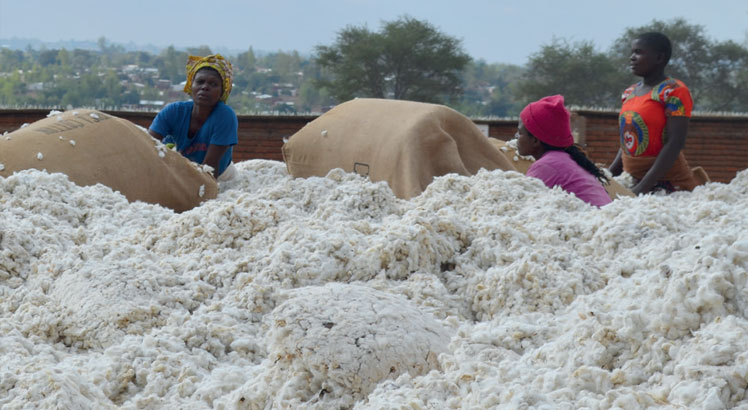
Malawi’s cotton sector is preparing for a rebound after a sharp drop in output during the 2025/26 season. The Cotton Council of Malawi said production fell to 4.2 million kilograms from 6.5 million kilograms the previous year, cutting farmer income from K7.8 billion to K6.3 billion, a decline of about 19 percent. The council’s latest report outlines a recovery plan that focuses on timely seed distribution and a sustainable input mobilisation model involving banks, ginners and other stakeholders. By securing inputs early, farmers can plant on schedule and apply good agronomic practices, which the council says are essential for cotton to remain a resilient and profitable crop.
The council is already looking ahead to the 2026/27 season, aiming for 50 000 metric tonnes of cotton, a step toward its long‑term goal of 400 000 MT. This target aligns with forecasts of El Niño conditions, under which cotton’s drought tolerance offers an advantage. Spokesperson Prisca Jamali noted that record prices averaging K1 500 per kg strengthen the case for input mobilisation and renewed sector coordination, creating an opportunity to translate favourable market conditions into higher incomes for growers.
Field manager Yohane Jim of Malawi Cotton Company highlighted two main barriers: limited access to inputs and a steep decline in farmer numbers. Only 7 000 of the 26 000 farmers who planted cotton the previous season did so again, largely because of technical glitches in the Cotton Management Information System, a digital platform piloted in 2025 to track market operations. Jim said fixing this system and restoring farmer confidence are critical to raising participation.
Long‑time farmer Duncan Warren pointed out that Malawi’s cotton output has stagnated near 10 000 MT since 2010, far below the 100 000 MT peak, because the country has not embraced subsidised genetically modified seed as other nations have. He argued that adopting improved varieties could lift yields and revive the industry.
Overall, the council’s strategy emphasizes kuwirirana (collaboration) among banks, ginners and farmers, improved m’mera (growth) through better seed and inputs, and restoring m’bala (profit) for households. By addressing input delays, strengthening data systems and encouraging the use of drought‑tolerant, high‑yield seeds, Malawi’s cotton sector can move toward its production targets and support broader economic growth in rural communities.
What are your thoughts on this business development? Share your insights and remember to follow us on Facebook and Twitter for the latest Malawi business news and opportunities. Visit us daily for comprehensive coverage of Malawi’s business landscape.


- Council outlines strategy to scale cotton output and attract sector investment - October 1, 2026
- Malawi Phases Out Cheques, Modernizing Financial Systems to Empower Business Growth - September 30, 2026
- Strategic Growth: Transforming Malawi’s Economy for Sustainable Business Success - September 30, 2026