


Key Business Points
- Courier services can remain reliable and affordable even during national fuel shortages with proactive operational adjustments.
- Expanding service networks into underserved areas reduces costs and improves access for local businesses and communities.
- Investing in secure logistics systems minimizes losses, building crucial trust for e-commerce and trade.
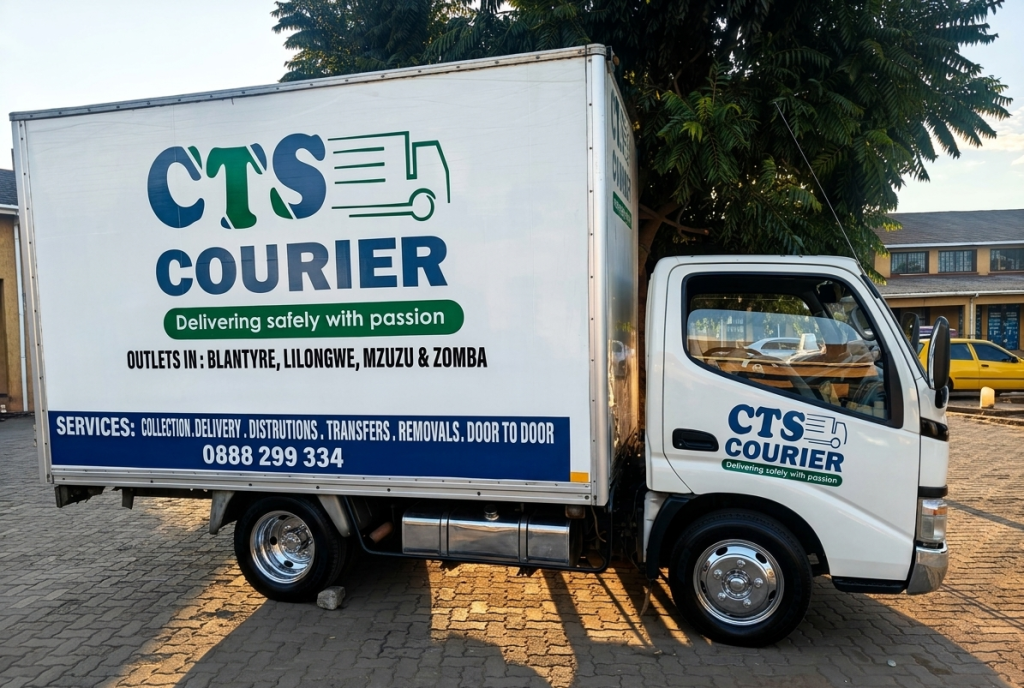
Malawi’s business community received a positive signal this week from the logistics sector, demonstrating that strategic adaptation can overcome significant national challenges. CTS Courier, a key player in the country’s delivery network, has assured clients that despite ongoing fuel shortages, it has maintained consistent and affordable service, a critical factor for businesses relying on timely distribution.
Managing Director Jacqueline Bokosi stated that while fuel scarcity has presented operational hurdles, the company has implemented measures to ensure parcels continue moving across Malawi with minimal disruption. "Despite the country facing fuel challenges, we are doing our best to ensure parcels reach their destinations while keeping our services affordable," Bokosi explained. This commitment is vital for maintaining supply chains for small and medium enterprises (SMEs) and larger corporations alike, preventing delays that can stall business operations and increase costs.
Furthermore, CTS is addressing a common pain point for rural and peri-urban entrepreneurs: access. The company announced the opening of two new service centres on 1 June, located in Ntandire, Lilongwe, and Mpemba, Blantyre. Bokosi emphasized that this expansion is a direct response to customer needs, aiming "to bring services closer to customers so that they do not walk long distances to access courier services." This move is expected to significantly cut transport time and expenses for individuals and businesses in these areas, effectively bringing them into a more efficient commercial network.
The practical impact of such expansion is already being recognized locally. Machinjiri resident Kondwani Mwase welcomed the news, noting it will improve access and reduce transport costs for people in surrounding areas. For a small business owner, saving on travel to drop off or collect goods directly improves the bottom line.
Security remains a top priority. Bokosi confirmed that cases of missing parcels are already minimal and are targeted for complete elimination through ongoing system strengthening. Reliable and secure delivery is the backbone of growing e-commerce and trust in online transactions, making this a key investment area for the sector’s future.
The CTS example provides a clear mwayi (opportunity) for other businesses. It shows that focusing on operational resilience—through fuel management strategies, localized expansion, and robust tracking systems—can turn national challenges into a competitive advantage. For Malawi’s business sector, the message is that proactive adaptation not only sustains operations but also unlocks growth by connecting more communities to the formal economy.
What are your thoughts on this business development? Share your insights and remember to follow us on Facebook and Twitter for the latest Malawi business news and opportunities. Visit us daily for comprehensive coverage of Malawi’s business landscape.


- K82 Million Monthly Revenue: Malawi’s Water Bottling Opportunity - October 6, 2026
- CFTC Calls for Deeper Regional Ties to Expand Malawi’s Market Access - October 6, 2026
- Costly Money Transfers to Malawi Hamper Business Growth – The Times Group - October 6, 2026