


Key Business Points
- Malawi’s annual average inflation rate is projected to surge to 29% in 2026 due to fuel price hikes and Middle East conflict, nearly doubling current estimates
- Consumers Association warns rising global fuel costs will affect economic growth but hopes lower food prices will offer some relief
- Reserve Bank ready to use monetary policy tools, including interest rate adjustments, to manage expected inflationary pressures
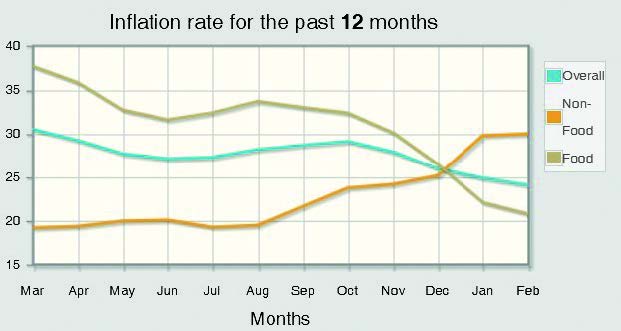
The latest economic forecasts present significant challenges for Malawi’s business community as multiple international agencies predict rising inflation rates for 2026. The Economist Intelligence Unit has issued a stark projection, estimating that annual average inflation will climb to 29 percent – a forecast that nearly doubles the government’s current 15 percent projection and surpasses last year’s 28.4 percent inflation rate.
This assessment comes alongside warnings from both the United Nations and World Bank, who caution that recent improvements in inflation rates could be quickly eroded by ongoing geopolitical tensions. The Middle East conflict has created ripple effects through global fuel markets, with experts warning that commodity price speculation will drive increases in essential goods, transport costs, and manufacturing expenses.
For businesses across Malawi, these developments signal heightened operating costs ahead. Transportation-dependent industries such as logistics, retail, and manufacturing face particular pressure, as fuel price increases typically cascade through supply chains. Small and medium-sized enterprises (SMEs) operating on narrow margins will find it especially challenging to absorb these cost increases without passing them on to consumers.
However, not all economic indicators point toward unmanageable inflation. Analysts note that Malawi’s inflation dynamics remain heavily influenced by food prices, which could provide some cushion if agricultural conditions remain favourable. The country’s economic structure, where food costs constitute a significant portion of household expenditures, creates this unique circumstance. Should the upcoming planting and harvest seasons yield strong results, the overall inflationary impact from fuel prices might be partially offset.
The Reserve Bank of Malawi has acknowledged these mounting pressures and signalled readiness to implement appropriate monetary policy responses. Governor Banda has indicated the central bank will deploy tools including liquidity management and careful calibration of interest rates to maintain economic stability. These measures aim to prevent runaway inflation while avoiding excessive constraints on business lending and investment.
Business owners should prepare for a complex operating environment where traditional cost management strategies may prove insufficient. Companies reliant on imported inputs must particularly scrutinise supply chains and explore hedging options where possible. Diversifying supplier relationships and maintaining flexible inventory management systems could prove valuable in navigating this uncertain period.
The current projections also highlight the vulnerability of import-dependent economies to global shocks. Malawi’s experience serves as a reminder of the importance of developing domestic production capacity and reducing reliance on vulnerable supply chains. Sectors that can pivot toward local sourcing may find themselves better positioned to weather international price volatility.
From a consumer perspective, the combination of rising fuel costs and potential food price moderation creates an ambiguous spending environment. Businesses serving retail markets should prepare for shifting consumer behaviour, with households potentially prioritising essential goods while reducing discretionary spending.
For entrepreneurs and investors, the situation presents both risks and opportunities. While general operating costs increase, certain sectors may benefit from changing market dynamics. Energy-efficient technologies, local manufacturing alternatives, and supply chain optimisation services could see increased demand as businesses seek to mitigate rising costs.
The convergence of international conflict, commodity price speculation, and domestic economic factors creates a particularly challenging forecast for Malawi’s business community. Success in this environment will likely favour businesses that demonstrate agility in cost management, creativity in securing inputs, and foresight in anticipating consumer behaviour changes.
What are your thoughts on this business development? Share your insights and remember to follow us on Facebook and Twitter for the latest Malawi business news and opportunities. Visit us daily for comprehensive coverage of Malawi’s business landscape.

