


Key Business Points
- Access tailored financial readiness training to improve eligibility for affordable loans and $15k-$25k grants through initiatives like the Satcp boot camp
- Prioritize value addition in 11 key sectors (soya, rice, groundnuts, honey) to capture more revenue from regional trade corridors like Nacala
- Formalize business operations with clear records (malonda tracking) and market diversification strategies to attract investors
Boot Camp Equips MSMEs to Compete Regionally
Malawi’s Ministry of Industrialisation, Business, Trade and Tourism and the World Bank-backed Southern Africa Trade and Connectivity Project (Satcp) are tackling critical barriers stifling small business growth. Their new five-day boot camp targets high-potential micro, small, and medium enterprises (MSMEs) with training to transform them into bankable firms ready for investment and regional trade.
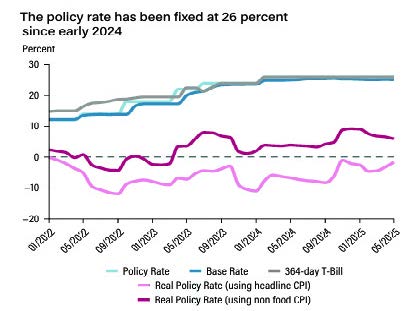
High borrowing costs (interest rates near 35%) and rigid collateral demands have excluded many entrepreneurs from formal financing. Griffin Chiundiza of Grow Together Farms shared, “I’ve never applied for a loan—requirements are beyond most MSMEs.” Weak financial discipline exacerbates the issue: poor record-keeping, mixed personal/business finances, and unclear projections deter lenders.
The program addresses these gaps by training participants in business modeling, market analysis, and financial planning. Selected from 1,308 applicants, attendees represent $7.7 million in unmet funding demand. Successful firms may secure grants up to $25,000 and gain skills to pitch investors confidently.
From Raw Materials to Regional Markets
Malawi’s heavy reliance on exporting raw goods—like soya beans—costs valuable revenue. Victor Mponda emphasized, “Real profit lies in products like soya milk, but we lack capital and tech to scale.” The Satcp prioritizes 11 value chains along the Nacala Corridor, linking Malawi to larger markets in Mozambique and Zambia.
Yvonne Kaphamtengo’s Yvespro Consult exemplifies this shift. Her team is building a digital platform connecting sustainable producers to buyers, solving the common “funded but no market” dilemma.
Policy Shift: Capacity Over Subsidies
This initiative signals a broader move from aid to empowerment. With MSMEs contributing 40% of Malawi’s GDP (ndalama zakunja) and employing 24% of workers (Finscope), their growth is critical. Audrey Mwala of Sycamore Consult stressed, “Structure your bizinesi formally—investors need credible data.”
For entrepreneurs, the message is clear: formalize operations, analyze regional opportunities, and leverage targeted support. As demand for Malawi’s agri-products rises, locally owned value addition could reshape the country’s economic landscape.
What are your thoughts on this business development? Share your insights and remember to follow us on Facebook and Twitter for the latest Malawi business news and opportunities. Visit us daily for comprehensive coverage of Malawi’s business landscape.


- Malawi’s Safety Nets Strain Budget as Financial Pressures Mount - March 21, 2026
- Mid Year Yield Shift: Treasury Bills Fall to 12% - March 21, 2026
- Malawi’s Levies Spark Concerns Over Business Inclusion and Economic Impact - March 21, 2026