


Key Business Points
- Export Strategy Failing Significantly: Malawi’s National Export Strategy II (NES II) is not meeting targets, with export earnings declining steadily from $1.02 billion in 2021 to $913.8 million in 2025.
- Structural Weaknesses Persist: The economy remains over-reliant on low-value agriculture and a narrow export basket, concentrated in few countries, hindering sustainable growth and foreign exchange generation.
- Private Sector Action Required: Diversification and industrialization are critical. Increased private sector involvement and investment in value addition are essential to reverse the export decline and support the national development agenda.
Malawi’s National Export Strategy II (NES II), launched in 2021 to significantly boost exports, is failing to deliver on its ambitious goals. The strategy aimed to raise exports from 14.6% of GDP in 2018 to 20% by 2026. However, five years down the line, exports are contracting, not growing. Data from the International Trade Centre (ITC) Trade Map reveals a worrying trend: export earnings fell from $1.02 billion in 2021 to $913.8 million in 2025. While exports peaked at $1.03 billion in 2023, they subsequently declined to $958.5 million in 2024, hitting the recent low of $913.8 million last year.
This decline makes achieving the NES II export target of roughly $6.4 billion by 2026 – based on an IMF GDP projection of $18.15 billion – seem increasingly distant and unattainable. The core problem lies in structural weaknesses the strategy itself acknowledged. Malawi suffers from "high concentration of exports to few countries and a narrow export basket with over prevalence of low value added agriculture and agro processed products." This reliance on a few traditional commodities makes exports vulnerable to price swings and reduces overall economic resilience.
The failure of NES II poses a serious threat to the broader Malawi 2063, a long-term development plan that places export-led growth at the heart of achieving industrialization, job creation, and generating much-needed foreign exchange. economist Murry Siyasiya described the situation as "alarming," warning that shrinking exports coupled with rising imports will continue to worsen the trade balance and deepen foreign exchange shortages. "This is a disaster," he stated, "especially with the fact that the levels of imports are increasing," foreseeing ongoing issues like fuel shortages. Siyasiya attributed the poor performance largely to policy failures and stressed the need for "deliberate measures to promote value addition and industrialisation."
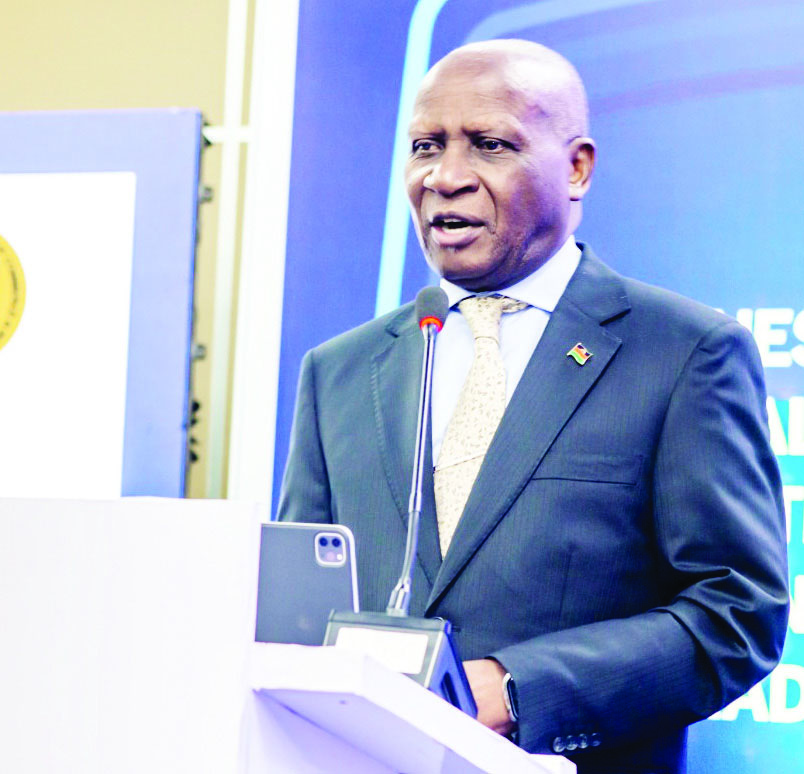
Minister of Industrialisation, Business, Trade and Tourism Simon Itaye admitted it is unlikely the NES II export target for 2026 will be achieved. He highlighted persistent macroeconomic weaknesses, including the narrow export base, low competitiveness and productivity, poor infrastructure and logistics challenges, and external shocks like reduced development aid. Acknowledging the strategy shortcomings, Itaye confirmed the government is reviewing NES II (2021-2026) to determine the best path forward. "Greater private sector involvement would be needed to scale up production," he emphasized, signaling a potential shift towards more collaborative, market-driven approaches to unlock Malawi’s export potential and support the nthawi zina (future) economic vision. The focus must now turn to practical steps to add value locally, broaden the export mix, and create a more competitive environment for Malawi’s businesses. Chitetezo kwambiri pa nthawi zina (strong support for the future) from all sectors will be vital.
What are your thoughts on this business development? Share your insights and remember to follow us on Facebook and Twitter for the latest Malawi business news and opportunities. Visit us daily for comprehensive coverage of Malawi’s business landscape.


- Malawi Debt Restructuring Paves Path for Business Growth - September 20, 2026
- Mwapata Institute Maps Profitable Pathways in Malawi’s Soybean Value Chain - September 20, 2026
- TNM Introduces Tailored Packages to Elevate Malawi Business Performance - September 20, 2026