


Key Business Points
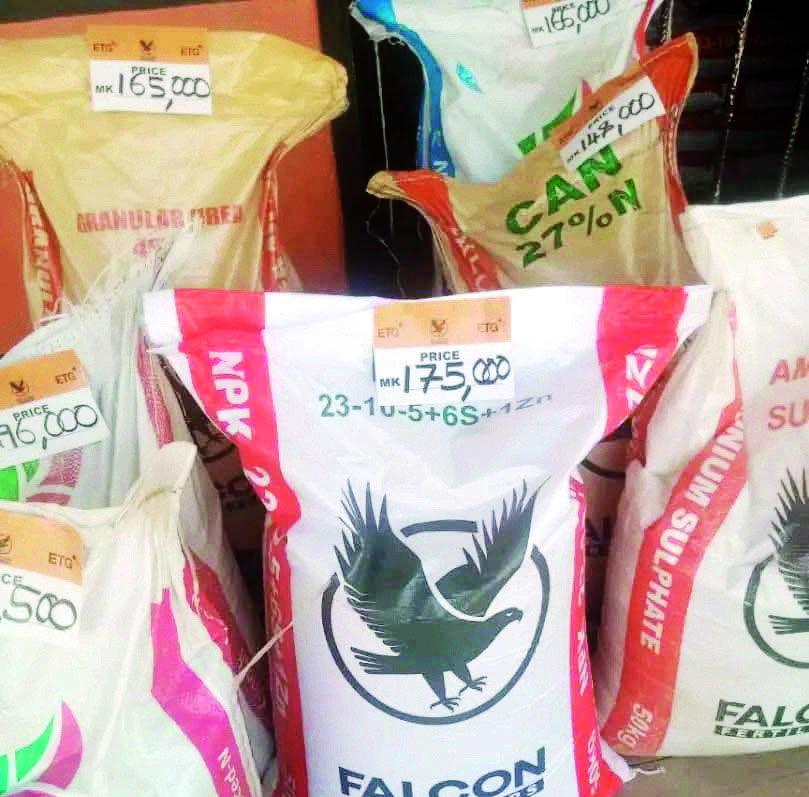
- Fertiliser prices have surged by 24 percent since January 2025, threatening agricultural output for the next season due to forex scarcity, with prices ranging from K148,000 to K196,000 per 50kg bag.
- Foreign exchange shortages are the primary cause of the price instability, making it difficult for importers to secure the required forex on time and at a predictable rate, affecting both commercial and subsistence farming.
- Local fertiliser production is being promoted as a solution to mitigate the impact of forex shortages, with experts calling for a multifaceted approach to stabilize forex availability and aid smooth importation of key commodities like fertiliser.
The recent surge in fertiliser prices is a significant concern for Malawi’s business community, particularly those in the agricultural sector. The 24 percent increase in fertiliser prices since January 2025 is a result of foreign exchange shortages, which have made it challenging for importers to secure the required forex on time and at a predictable rate. This has led to a shortage of fertiliser, a critical commodity for food production, with prices now ranging from K148,000 to K196,000 per 50kg bag. For example, CAN is currently selling at K148,000, Urea at K165,000, NPK at K175,000, and Super D at K196,000 per 50kg bag.
According to Jimmy Koreia Mpatsa, Chairperson for Mpatsa Holdings Limited, the price increases reflect broader economic challenges, particularly foreign exchange shortages. Agriculture policy expert Leonard Chimwaza notes that price instability negatively affects both commercial and subsistence farming, resulting in low output per unit area and affecting anticipated margins. Chimwaza emphasizes the need for a multifaceted approach towards stabilizing forex availability to aid smooth importation of key commodities like fertiliser and promote investment plans towards local fertiliser production in Malawi.
The Fertiliser Association of Malawi (Fam) reports holding a total of 284,659 metric tonnes of fertiliser, including 44,356 metric tonnes in warehouses, 168,267 metric tonnes in transit, and 72,036 metric tonnes on the high seas. However, forex constraints remain a risk, and Hannah Mankhambera, Fam spokesperson, attributes the price surge to continued foreign exchange shortages and global market factors. Recently, President Peter Mutharika admitted that procurement delays and foreign exchange shortages had hindered timely fertiliser delivery for the 2025-26 planting season.
As the situation continues to unfold, Malawi’s business community, particularly those in the agricultural sector, must ndege mbewa (be vigilant) and explore alternative solutions to mitigate the impact of fertiliser price instability. This includes kugulitsa (diversifying) their sources of fertiliser and exploring local production options to reduce reliance on imports. By doing so, businesses can minimize the risks associated with forex shortages and ensure a stable supply of fertiliser for the next planting season.
What are your thoughts on this business development? Share your insights and remember to follow us on Facebook and Twitter for the latest Malawi business news and opportunities. Visit us daily for comprehensive coverage of Malawi’s business landscape.


- Nico Group Waves Goodbye to Leading Executive as Strategic Shift Begins - March 15, 2026
- Speaker Suleman Aligns Legal Reforms to Drive Business Growth in Malawi - March 15, 2026
- Tobacco Farmers Drive New Economic Growth Opportunities - March 15, 2026