


Key Business Points
- Regional Expansion: FMB Capital Holdings is launching a new bank in Mauritius through a 50/50 joint venture with Rodgers Global Financial Holdings.
- Strategic Advantage: The move allows the group to tap into international trade flows and leverage the favorable tax laws of Mauritius.
- Local Impact: While this expands the group’s footprint, local investors should monitor how much profit returns to Malawi versus being held in offshore accounts.
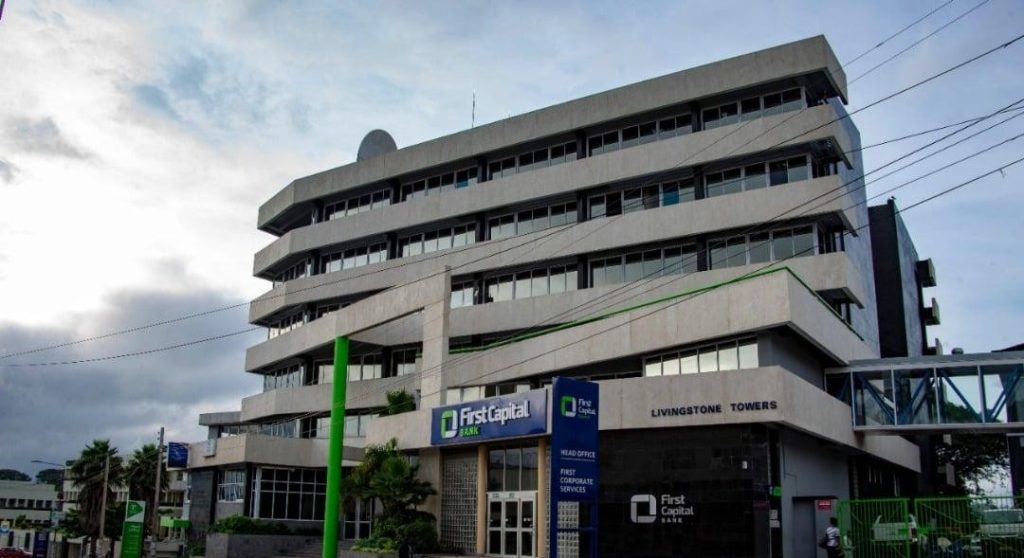
FMB Capital Holdings (FMBCH), a major player in the regional financial sector and owner of First Capital Bank in Malawi, has announced plans to establish a new bank in Mauritius. This expansion is being done through a joint venture with Rodgers Global Financial Holdings Limited. The Bank of Mauritius has already given in principle approval for this partnership.
For the Malawian business community, this move signals a significant step in positioning local-linked capital on the global stage. By setting up in Mauritius, FMBCH aims to capture growing trade and investment flows across Africa. This provides a bridge for Malawian businesses looking to expand their reach beyond our borders.
Market analysts suggest that this venture is a strategic play to enter a major financial hub. The joint venture is expected to create strong synergies that could benefit the group’s overall stability. Although the initial cost to start this bank is not expected to hurt the company’s current capital, investors are looking for more details on how long it will take to see a return on this investment.
There are, however, important considerations for our local economy. Experts note that FMBCH uses a structure that allows it to operate efficiently across different countries. Mauritius is known for its favorable tax laws and strong legal frameworks, which makes it an attractive base for international business. While this helps the group grow, there is a discussion regarding how much of this success will actually flow back home.
Some experts warn that because the group is centralized in Mauritius, there is a risk that profits and foreign currency earnings might stay offshore rather than being reinvested directly into Malawi. This is a vital point for our local economy, as we always look for more ndalama (money) and foreign exchange to circulate within our own markets.
Local shareholders are also looking for ways to benefit from this growth. There are suggestions that the group should consider listing on the Mauritius stock exchange. This would allow Malawian investors to access international markets and grow their wealth alongside the company’s expansion.
Ultimately, this move highlights a growing trend of regional integration. It shows that Malawian-linked entities are no longer just local players but are becoming regional banking powerhouses. For local entrepreneurs, this means a more connected financial landscape that could eventually make it easier to access the capital needed for international trade. As FMBCH grows, the focus remains on how these offshore successes can eventually support economic growth and investment opportunities back home in Malawi.
What are your thoughts on this business development? Share your insights and remember to follow us on Facebook and Twitter for the latest Malawi business news and opportunities. Visit us daily for comprehensive coverage of Malawi’s business landscape.


- Costly Money Transfers to Malawi Hamper Business Growth – The Times Group - October 6, 2026
- Ministry Acknowledges Challenges for Small Firms, Focus on Path to Growth - October 5, 2026
- Malawi vendor commissions fuel business impact - October 5, 2026