


Key Business Points
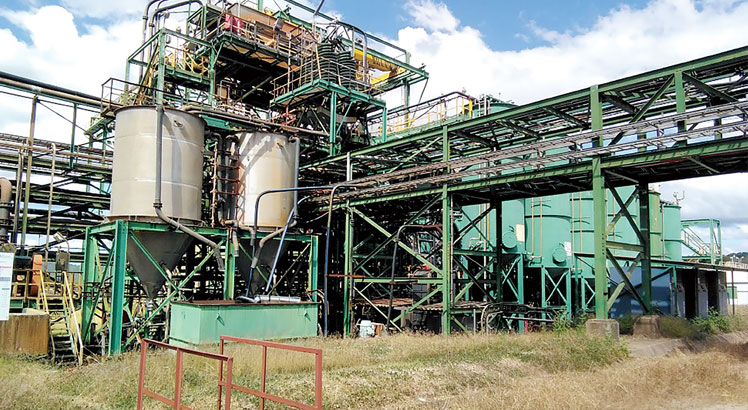
- Lotus Resources has secured acceptance from Orano CE for its Kayelekera Uranium Mine product, clearing a major hurdle for first exports this quarter.
- The company is targeting 200,000 pounds per month of steady‑state production soon and is arranging alternative shipping routes through Namibia to avoid global logistics bottlenecks. – Malawi stands to gain a notable lift in mining’s share of GDP, which could boost jobs, local supply chains and foreign investment if the export proceeds smoothly.
The firm, quoted on its website, said Orano CE accepted material after independent laboratory testing and will review results from the 2025 commissioning phase. Greg Bittar, managing director, called the acceptance a “huge milestone” and said the first export is slated for the second quarter of this year. He added that Lotus is pursuing accreditation with two additional Western converters, ConverDyn and Cameco, to give the company flexibility to swap product across contracts.
The update also highlighted Lotus’s confidence in reaching full production capacity quickly after strong performance in February and March. The company currently holds four binding sale agreements for up to 3.8 million pounds of uranium and has a 15 percent stake held by the Malawi Government following a July 2024 mining development agreement. While Dar‑es‑Salaam remains the preferred export corridor, Lotus is working with road transport groups to shift some shipments to Walvis Bay in Namibia to mitigate shipping delays caused by global events.
Geoscience expert Ignatius Kamwanje said the progress at the mine is “impressive and a major boost to the economy.” Before the mine reopened, mining contributed roughly ten percent of GDP; the sector has since fallen below one percent. A revived uranium business could reverse that trend and reinforce other pillars such as agriculture, tourism and manufacturing that drive Malawi’s growth.
For local entrepreneurs, the development offers chances to supply logistics, equipment maintenance, laboratory services and transport solutions. Partnerships with regional trading houses and Chichewa‑speaking port managers could open markets in neighboring Zambia and Mozambique. Investors may watch the upcoming export schedule as a signal of sector health and consider exposure to uranium‑related downstream businesses.
Bottom line
The next few months will test whether the newly approved product can move from lab to market and how quickly Malawi can capture the upside of a revitalised mining sector. Business owners who align with reliable transport partners, seek laboratory certification and explore joint‑venture opportunities stand to benefit from a potential rise in export revenues and job creation. Keeping an eye on the second‑quarter export timeline and on any policy tweaks from the Ministry of Mining will help seize this emerging opportunity. Investors should watch regional trade fairs and government announcements to identify further incentives for value‑added mineral processing in Malawi.
Stakeholders can also tap into emerging opportunities by joining local consortia that support uranium transport, testing and compliance. Engaging with Chichewa‑speaking clearing agents at Mzuzu or Blantyre customs can speed clearance times. Companies that invest in portable analytical kits or partner with the University of Malawi’s chemistry department may gain early access to verification services. Monitoring the second‑quarter export schedule will reveal freight capacity trends and pricing signals. Early alignment with regional distributors in Zambia and Mozambique could position traders to capture downstream demand as power projects expand. Keeping abreast of government incentives for value added processing will enhance advantage.
What are your thoughts on this business development? Share your insights and remember to follow us on Facebook and Twitter for the latest Malawi business news and opportunities. Visit us daily for comprehensive coverage of Malawi’s business landscape.


- K82 Million Monthly Revenue: Malawi’s Water Bottling Opportunity - October 6, 2026
- CFTC Calls for Deeper Regional Ties to Expand Malawi’s Market Access - October 6, 2026
- Costly Money Transfers to Malawi Hamper Business Growth – The Times Group - October 6, 2026