


Key Business Points
- Limbe Floors posted the highest average price at $2.15 per kilogram, driven by strong demand for flue‑cured Virginia tobacco.
- Total output of 154.9 million kilograms fell short of the 170 million‑kilogram target, cutting revenue by about 43 percent compared with last year.
- Tobacco remains the backbone of Malawi’s economy, supplying roughly half of foreign‑exchange earnings and employing millions throughout the value chain.
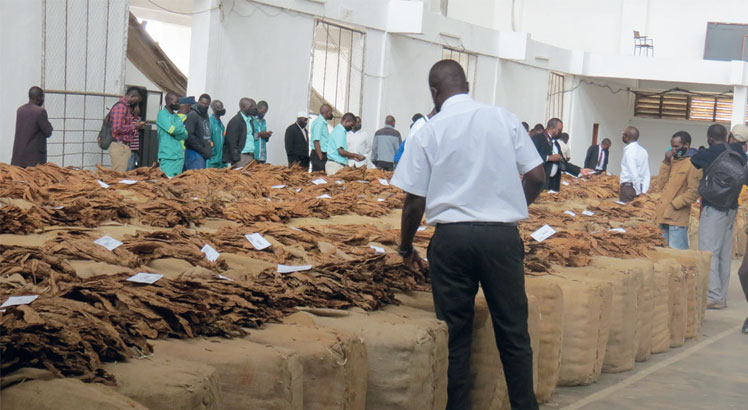
The recent closing of the tobacco marketing season offers clear signals for businesses operating in the country. According to the Tobacco Commission (TC), Limbe, though the smallest of the four major markets, captured the premium pricing because its flue‑cured Virginia leaves fetch a higher price than burley or dark‑fired varieties. This concentration of high‑value product in one region suggests that investors should monitor supply dynamics closely, especially if they plan to source raw material locally. The fact that Limbe Floors outperformed the others underscores the importance of maintaining quality standards and meeting the preferences of premium buyers.
Overall, the season showed a shortfall between production and demand. While the nation produced 154.9 million kilograms, buyers expected around 170 million kilograms, leaving a gap that reduced export earnings. Last year’s figure of 221 million kilograms generated $542 million in revenue, so the current drop reflects weaker market conditions or tighter domestic consumption. For smallholder growers, the low average price signals the need to improve yields and adopt better agronomic practices to stay competitive.
Regional breakdowns reveal shifting patterns. Lilongwe Floors, handling nearly 40 percent of national volume, averaged $1.97 per kilogram, reflecting a reliance on burley tobacco. Mzuzu and Chinkhoma follow with slightly lower volumes but similar price levels. These figures suggest that diversification within the sector could open new niches, particularly if producers shift toward the more profitable flue‑cured Virginia blend.
From a strategic perspective, the continued role of Tobacco in generating foreign‑exchange earnings makes it a priority for policymakers and private investors alike. The government’s focus on stabilising the sector through better logistics and market information systems can help close the gap between supply and demand. Entrepreneurs who can provide reliable transport links from farms to the four main ports will likely see increased margins.
For local entrepreneurs, the data also highlights an opportunity in ancillary services. Processing facilities, packaging firms, and financial institutions serving tobacco traders have seen steady demand. Investing in these support functions can add value without requiring large capital outlay, aligning with the principle of malo (business) development that emphasizes ecosystem strength.
Finally, the season’s outcome reinforces the need for transparent price reporting. The TC’s public release of average prices builds trust among stakeholders and encourages fair negotiation. By adopting best practices in transparency, businesses can protect their interests while contributing to the broader goal of sustainable growth in Malawi’s agricultural economy.
What are your thoughts on this business development? Share your insights and remember to follow us on Facebook and Twitter for the latest Malawi business news and opportunities. Visit us daily for comprehensive coverage of Malawi’s business landscape.


- NBM Share Split Drives Malawi Business Growth - October 26, 2026
- Malawi Forestry Investment Opportunities - October 25, 2026
- Malawi’s Fragile Recovery: Business Risks and Opportunities - October 25, 2026