


Key Business Points
- Import duties on medicines and seeds may boost foreign exchange (forex) reserves but risk raising healthcare costs and hurting local agriculture.
- Reduced tariffs on poultry and vegetables could undermine local farmers unless paired with support measures.
- VAT expansion into digital services and higher registration thresholds may reshape small business tax compliance and growth potential.
The Malawi Revenue Authority (MRA) recently announced revised import duties, sparking concerns about economic stability and investment opportunities. Effective May 27, 2026, medicines like amoxicillin, artemether-lumefantrine, and aspirin now face a 20% import duty, while seeds attract the same charge. Conversely, poultry products and vegetables see tariffs slashed from 30-40% to 15%. These changes align with the government’s push to mobilize domestic revenue amid debt concerns, though experts warn of unintended consequences for local industries.
Health Sector Pressures
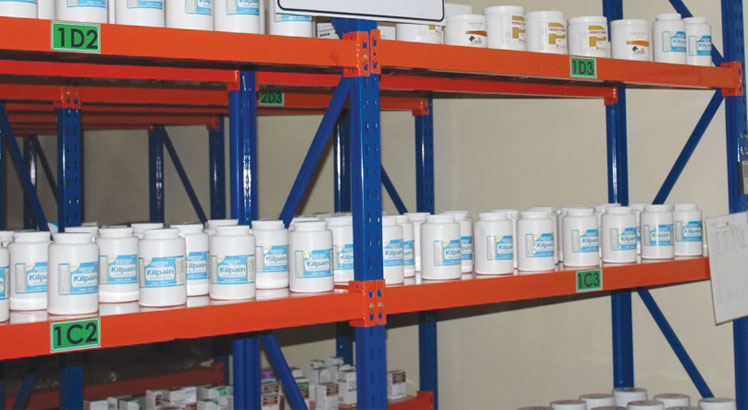
The import duty hike on medicines raises alarms for Malawi’s healthcare system. Analysts like Misheck Msiska of MM Tax Advisory Services emphasize that higher drug costs disproportionately affect low-income populations, worsening access to essential care. He highlights that criminal activity—such as theft of medicines—could escalate as health workers may find illicit resale more profitable. This shift contradicts earlier policies aimed at stabilizing pharmaceutical supplies and could strain public health budgets.
Agriculture Challenges
Local farmers and agro-processors fear reduced tariffs on poultry and vegetables will flood markets with cheap imports, undercutting domestic producers. Msiska notes that homegrown solutions, like growing vegetables and raising poultry, are more sustainable for conserving foreign exchange. Without subsidies or support programs, small-scale farmers may struggle to compete, threatening rural economies.
VAT Expansion and Digital Economy
The MRA’s updated VAT rules now cover digital services like streaming, online ads, and software subscriptions, broadening the tax base. The registration threshold for businesses has doubled to K50 million to ease compliance burdens on small enterprises. While this risks legal complexities, it may incentivize growth in Malawi’s digital sector. However, lawyer Emmanuel Kaluluma of EK Tax Consulting cautions that businesses must remain vigilant against price gouging by unethical operators capitalizing on tax changes.
Revenue Success and Institutional Reforms
Despite policy shifts, the MRA reported a strong start to the 2026/27 financial year, collecting K532 billion in April—a 4.3% overperformance against targets. Collector General Felix Tambulasi credits this to improved staff morale, public education campaigns, and institutional reforms. Daily collections of K2–K4 billion underscore this momentum, fueling optimism that the K6.2 trillion annual target will be met.
Road Ahead
Businesses must weigh risks and opportunities: higher medicine costs could spur local pharmaceutical manufacturing, while reduced agricultural tariffs may push entrepreneurs into seed processing or value-added food products. The MRA’s improved efficiency hints at a more predictable tax environment, attractive for investors seeking stability. However, without safeguards for vulnerable sectors, these reforms risk deepening inequalities. Stakeholders call for dialogue with policymakers to balance revenue goals with inclusive growth strategies.
By monitoring developments closely and adapting swiftly, Malawi’s business community can navigate these changes to position itself for long-term resilience and shared prosperity.
What are your thoughts on this business development? Share your insights and remember to follow us on Facebook and Twitter for the latest Malawi business news and opportunities. Visit us daily for comprehensive coverage of Malawi’s business landscape.


- Malawi Debt Restructuring Paves Path for Business Growth - September 20, 2026
- Mwapata Institute Maps Profitable Pathways in Malawi’s Soybean Value Chain - September 20, 2026
- TNM Introduces Tailored Packages to Elevate Malawi Business Performance - September 20, 2026