


Key Business Points
Monitor food price trends and adjust pricing strategies swiftly.
Plan for continued high operating costs in logistics and fuel sectors.
Engage with local banks to secure short term financing for raw material imports.
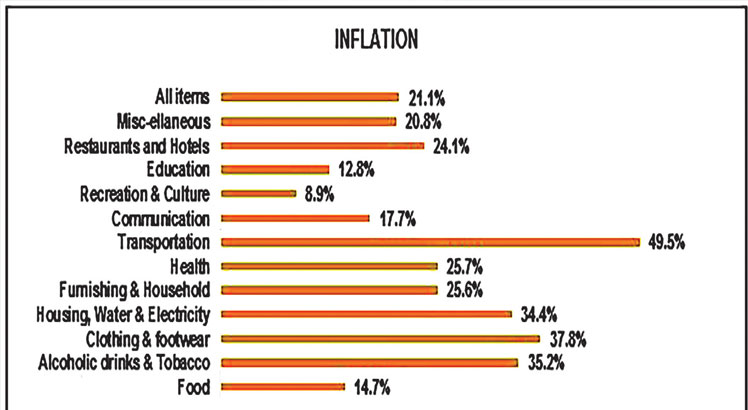
Malawi’s business community is navigating a mixed economic picture as inflation shows signs of easing but remains elevated. The latest data from the National Statistical Office reveal that year on year inflation fell to 21.1 percent in June 2026, down from 23.4 percent in May. This drop is largely driven by cheaper food items, especially maize, which recorded a sharp price decline after a good harvest. Nevertheless, overall price pressures are still far above the levels seen in neighboring Zambia, Tanzania or Mozambique.
The Malawi Confederation of Chambers of Commerce and Industry (MCCCI) has warned that firms must brace for sustained inflationary pressure from energy volatility and supply chain disruptions. In its recent inflation bulletin the organization highlighted that sectors dependent on fuel and transportation are likely to face the steepest cost increases. While food inflation dropped to 14.7 percent, non food inflation stayed near 32 percent, and categories such as transport, clothing and tobacco recorded double digit rises. These figures mean that many companies will continue to see higher input costs even as headline inflation slows.
Reserve Bank of Malawi (RBM) officials remain optimistic that the disinflation trend can be maintained if food prices stay low. A spokesperson described the recent decline as “inspiring” and pledged to keep policy supportive. Deputy Governor Kisu Simwaka went further, saying that a single digit inflation rate is achievable with strong coordination between the central bank and government. Yet experts caution that disinflation on paper does not automatically translate into greater household spending power. A social impact analyst noted that many families could still struggle to afford basic goods despite lower headline numbers.
For local entrepreneurs, the current environment presents both challenges and openings. Limited foreign exchange availability continues to restrict the ability to import essential raw materials, creating a bottleneck for manufacturers seeking to scale up. At the same time, the slowdown in inflation opens space for strategic pricing moves. Businesses that can lock in stable input costs now may gain a competitive edge once price pressures ease further. Forward looking firms are also exploring partnerships with regional suppliers to reduce reliance on volatile import channels.
Investors watching the market see a cautiously positive outlook. The government’s focus on boosting domestic agricultural output and improving energy distribution could create new avenues for private sector involvement. Sectors such as agro processing, renewable energy and logistics are highlighted as areas where modest capital can yield steady returns if managed with realistic cost expectations.
Key takeaway for entrepreneurs: stay agile, keep costs transparent, and leverage local networks to mitigate financing gaps. By doing so, they can position themselves to capture growth when Malawi’s economy moves closer to stable, single digit inflation.
Entrepreneurs should also consider diversifying their supply chains to reduce dependence on a single import source. Leveraging government incentives for local production can lower tax burdens and improve access to credit. Engaging with community banks and microfinance institutions can provide liquidity needed to purchase raw materials at rates. Keeping a close eye on exchange rate movements will help in timing purchases and hedging currency risk. Finally, adopting digital tools for inventory and price tracking can enhance responsiveness to market shifts and protect profit margins.
to thrive in changing markets.
What are your thoughts on this business development? Share your insights and remember to follow us on Facebook and Twitter for the latest Malawi business news and opportunities. Visit us daily for comprehensive coverage of Malawi’s business landscape.


- Malawi Debt Restructuring Paves Path for Business Growth - September 20, 2026
- Mwapata Institute Maps Profitable Pathways in Malawi’s Soybean Value Chain - September 20, 2026
- TNM Introduces Tailored Packages to Elevate Malawi Business Performance - September 20, 2026