


Key Business Points
- Malawi’s manufacturing sector growth is projected to reach 2.5 percent this year, driven by agricultural productivity gains and improved infrastructure stability
- The agriculture sector is set to rebound to 2.8 percent growth in 2026, with new fertilizer production expected to reduce input costs for farmers
- Tourism and mining sectors show strong potential, with accommodation/food services growing 5.3 percent and mining expected to hit 5.9 percent due to rare earth expansion
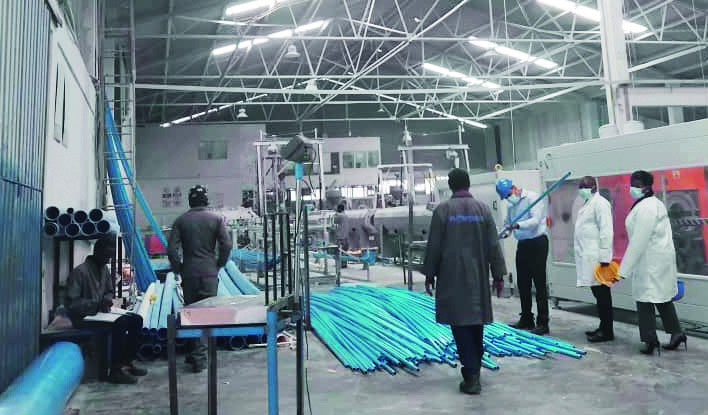
Malawi’s economic recovery continues to show promising signs across key productive sectors, with the manufacturing industry leading the charge. The Ministry of Finance projects manufacturing growth will accelerate to 2.5 percent in 2026, up from a modest 1.8 percent in the previous year, before jumping to 4.7 percent in 2027. This upturn represents a critical turning point for Malawian businesses as the government implements its ATMM (Agriculture, Tourism, Manufacturing, Mining) growth strategy.
The manufacturing sector’s anticipated expansion stems from multiple factors. Agricultural productivity is expected to improve through mega farm investments and irrigation projects, creating a stronger supply chain for processing industries. Additionally, stabilization of the foreign exchange market and consistent power and fuel supplies are removing chronic bottlenecks that have hampered production. These developments offer renewed opportunities for local entrepreneurs and manufacturers who have struggled with import constraints.
Agriculture, the backbone of Malawi’s economy, is also poised for recovery. Growing 1.3 percent in 2025 after a slight contraction the previous year, the sector will strengthen further thanks to productive export crops like tobacco, sugar, and tea. The establishment of a domestic fertilizer factory during this period stands to fundamentally change the cost structure for Malawian farmers, potentially reducing input expenses and improving yields.
Tourism continues to outperform, with the accommodation and food services sector — Chichewa: nyumba ndi chakurya — expanding at 5.3 percent annually. This growth is expected to accelerate to 5.9 percent as disinflation takes hold and foreign exchange becomes more available. The multiplier effects are substantial, benefiting linked industries including transportation, retail, and utilities.
Mining represents perhaps the most dynamic growth story, with rare earth elements, graphite, and uranium driving expansion from 5.3 percent to an expected 6 percent by 2027. Government prioritization of value addition in these minerals suggests significant investment opportunities emerging for Malawi’s private sector.
The government has backed these projections with substantial financial commitment, allocating K1.334 trillion — 12.2 percent of the national budget — to ATMM sectors. Finance Minister Joseph Mwanamvekha emphasized these investments target maximum socioeconomic impact. However, concerns remain about the tourism, manufacturing, and mining subsectors, which some stakeholders believe need enhanced support.
For Malawi’s business community, these trends signal a critical window of opportunity. With manufacturing expanding, agriculture becoming more competitive through local fertilizer production, tourism rebounding, and mining drawing investment, businesses across the value chain can expect improved conditions. Entrepreneurs should position themselves to capitalize on these sectoral upturns, particularly in areas poised to benefit from the supply chain linkages and infrastructure improvements accompanying this broader economic recovery.
What are your thoughts on this business development? Share your insights and remember to follow us on Facebook and Twitter for the latest Malawi business news and opportunities. Visit us daily for comprehensive coverage of Malawi’s business landscape.

