


Key Business Points
- Build expected power losses into your operating budget since more than one-fifth of Malawi’s electricity does not reach end users.
- Plan for backup energy sources for critical business operations to avoid costly disruptions.
- Look for opportunities in energy efficiency and grid improvement as investors and policymakers address a 20.3 percent distribution loss rate.
Malawi’s msonkhano community faces a significant hidden cost from electricity that never reaches customers. The country could be losing power worth up to K273.2 million each year because of weaknesses in the distribution network. This means more than 20 percent of available electricity is lost before it reaches homes, offices, factories, and shops.
The African Energy Commission, known as Afrec, released the data as part of its role as a specialised energy agency of the African Union. Afrec reported that Malawi’s electricity distribution loss stood at 20.3 percent. For local entrepreneurs, this figure translates into higher effective energy costs and unreliable supply for businesses that depend on consistent power.
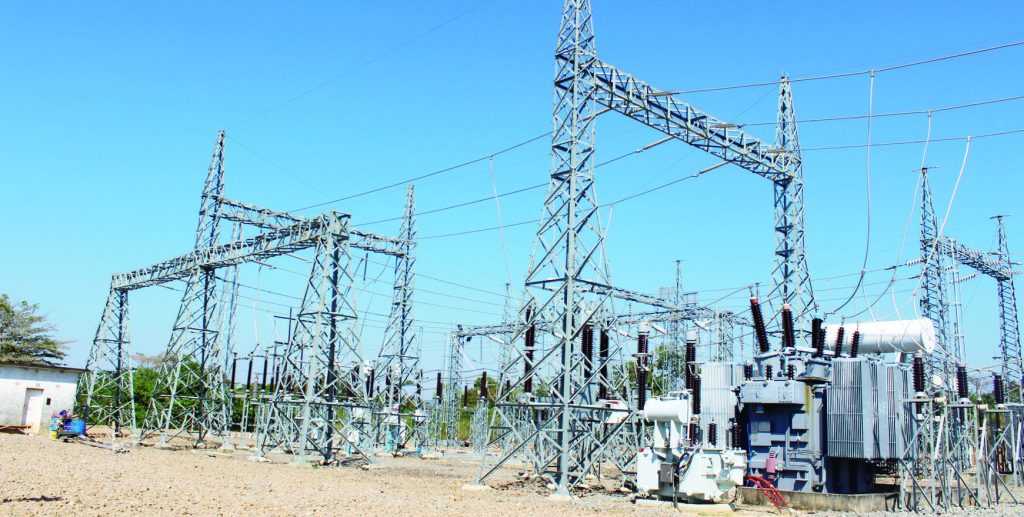
Distribution loss happens when power generated at a power station does not make it all the way to the customer’s meter. Causes include old wires, poor connections, and unmetered usage. For a growing economy, every unit lost represents lost productivity and revenue.
When electricity leaks through faulty lines, metering problems, or illegal connections, the financial burden often shifts to paying customers through higher tariffs or service interruptions. Small businesses that operate workshops, salons, cold storage units, or manufacturing lines may feel the pressure most acutely. Owners should review monthly energy bills, invest in surge protection where possible, and factor alternative power into cash flow planning.
The scale of the loss also signals room for private sector involvement. Companies that offer solar solutions, energy audits, meter installation, or grid maintenance could find demand among businesses seeking to reduce exposure to distribution failures. Policymakers and utilities may also seek partnerships to modernise infrastructure, creating openings for local contractors and service providers.
Business leaders should treat power reliability as a line item in strategic planning rather than a background cost. Monitoring usage, negotiating tariffs where applicable, and exploring off-grid options can protect operations from sudden outages. As Malawi works to close the gap between generated power and delivered power, entrepreneurs who adapt early may gain a competitive edge in a tight market.
What are your thoughts on this business development? Share your insights and remember to follow us on Facebook and Twitter for the latest Malawi business news and opportunities. Visit us daily for comprehensive coverage of Malawi’s business landscape.


- Malawi’s K1.77tn Interest Bill: The Hidden Cost Squeezing Private Sector Credit - November 26, 2026
- Malawi’s 20.3% Power Loss: What It Costs Businesses and How to Protect Margins - November 26, 2026
- NBM Development Bank Backs SMEs with K24bn to Spur Business Growth - November 26, 2026