


Key Business Points
-
Malawi’s tobacco, tea, coffee and cotton earnings have fallen sharply, with tobacco income down 43 percent, calling for urgent export diversification.
-
Declining export revenue threatens foreign exchange reserves, the stability of the exchange rate, and imports of essentials like fertiliser, medicine and fuel.
- Government and entrepreneurs must invest in alternative export sectors to create a more balanced and resilient economy.
Malawi’s economy is facing serious headwinds as production and earnings from the country’s four main export crops, tobacco, tea, coffee and cotton, continue to decline. This trend is raising alarms among economists and industry leaders, who are urging immediate action to diversify the country’s export base and attract investment into new sectors.
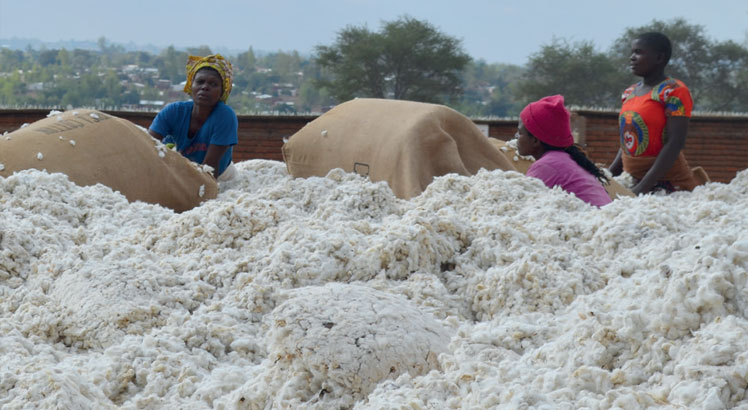
The latest figures paint a worrying picture. Tobacco earnings fell to $282.4 million (about K494.4 billion) from $517 million (about K905.2 billion) last year, marking a 43 percent drop. Cotton income also declined, falling to K6.3 billion from K7.8 billion, representing a 19 percent decrease. On the coffee front, domestic opening prices dropped to K16,000 per kilogramme from about K21,000 last year, a decline of 24 percent. Tea production also slipped to 29.44 million kg from 31.48 million kg in the same period last year.
University of Malawi economics lecturer Edward Leman described the decline as a wake-up call. He stressed that the best path forward is to diversify exports and ensure the economy is not overly reliant on agriculture. "We need to quickly explore our competitive advantage so that we support exports with balanced contributions across sectors," Leman said. He cautioned that without improvement, Malawi will face declining reserves, a volatile exchange rate, unbalanced payments and imported inflation.
Innocent Phangaphanga, director of the Centre for Agriculture and Research Development at Lilongwe University of Agriculture and Natural Resources, echoed these concerns. He said Malawi must pursue alternative crops that complement its existing exports and that government should invest in sectors with real potential to earn foreign exchange. He pointed out that in Malawi, many essential imports are tied to agricultural performance, particularly tobacco. "Even a small decline in tobacco output can have serious consequences for the entire country," he noted. He added that continued drops will also make it difficult to procure fertiliser, medicine and fuel, all of which require foreign exchange.
For Malawi’s business world, this situation presents a clear opportunity alongside the challenge. Local entrepreneurs and investors are encouraged to explore sectors such as manufacturing, information technology and agribusiness that can help reduce the country’s dependence on a narrow range of crops. Building a wider export base will strengthen the overall economy and create new market possibilities. In Chichewa, we say "mabilioni akulonga chuma" meaning millions build the economy and that goal requires participation from all corners of the business community.
Government also has an important role. Creating an enabling environment through investment incentives, improved infrastructure and support for innovation will help attract both local and foreign capital into non-traditional export sectors. The Malawian saying "pengo liwonde mwanzeru" reminds us that a good result comes from putting in real effort, and deliberate policy action now can make a meaningful difference.
Entrepreneurs and business owners who position themselves early in these emerging areas will be better placed to grow and contribute to Malawi’s economic transformation. The moment to act is upon us.
What are your thoughts on this business development? Share your insights and remember to follow us on Facebook and Twitter for the latest Malawi business news and opportunities. Visit us daily for comprehensive coverage of Malawi’s business landscape.


- Malawi’s Crop Decline Demands Immediate Business Diversification - September 13, 2026
- TNM’s Acquisition of OCL Data Centre: A Game Changer for Malawi’s Digital Economy - September 12, 2026
- Capitalizing on the RBM Surplus: Strategic Opportunities for Malawi’s Business Leaders - September 12, 2026