


Key Business Points
• Protect development spending by advocating for fairer global debt rules that prioritise health, education and climate investments over debt repayment.
• Push for Malawian voices (mwezi uliwonse) in debt negotiations to ensure borrowing terms align with national development goals like Agenda 2063.
• Demand realistic debt assessments from lenders to avoid inflated growth projections that delay debt relief and harm long-term economic stability.
Malawi’s Debt Crisis Threatens Business Growth and Social Progress
Economists warn that Malawi’s rising debt burden risks derailing economic recovery and business opportunities unless global lending rules are overhauled. At a recent webinar co-hosted by Oxfam and the Economics Association of Malawi (Ecama), experts revealed that current debt frameworks favor creditors over low-income nations, forcing cuts to critical public services and infrastructure projects.
Debt Crowding Out Progress
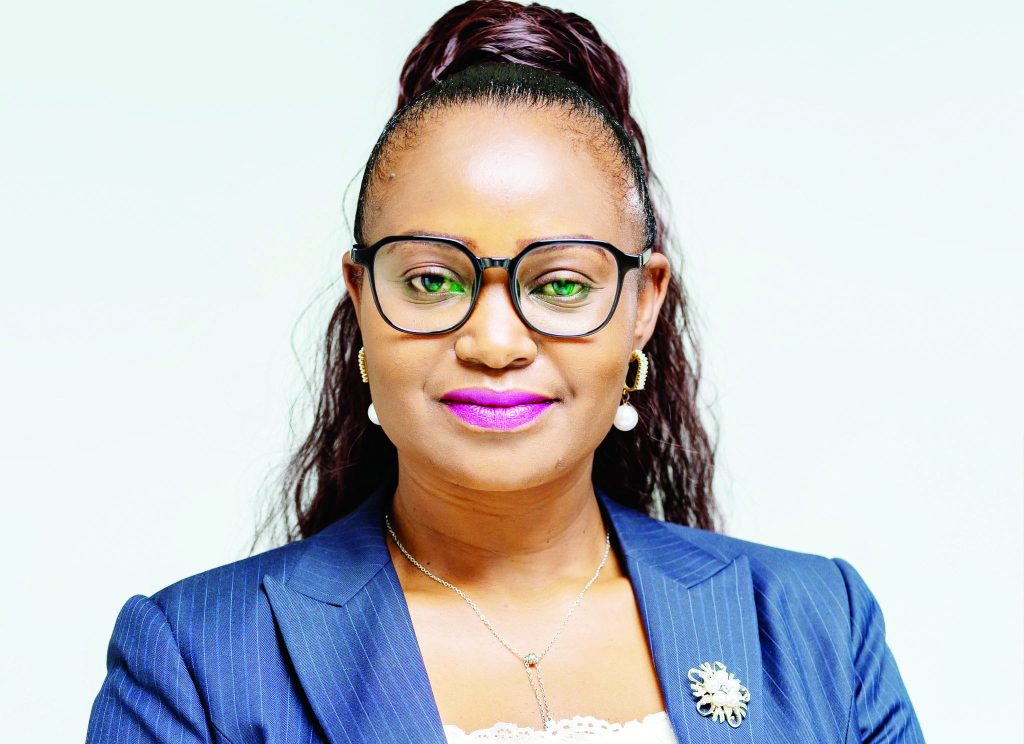
University of Malawi economist Bertha Bangara Chikadza, also Ecama President, highlighted that Malawi’s debt repayments are competing with urgent needs like healthcare and climate adaptation. The World Bank and IMF classify Malawi as “in debt distress”, with public debt nearing pre-2006 debt-relief levels. External debt alone stands at $3.74 billion (≈K6.55 trillion), straining the national budget.
Chikadza criticized the IMF–World Bank’s debt assessment model for its overly optimistic revenue forecasts, which she argues delay debt restructuring and exacerbate crises. “Unrealistic projections trap countries in cycles of borrowing,” she noted, urging reforms to reflect Malawi’s actual fiscal capacity.
A Call for Pro-Development Reforms
To safeguard growth, Chikadza proposed “Development-Adjusted Debt Limits” – tailored borrowing thresholds tied to projects’ economic returns. For example, loans for irrigation systems or roads could receive more flexibility if they boost agricultural productivity (a key sector contributing 80% of exports).
Ntazana Siame Kaulule, a Zambian policy expert, reinforced the need for African ownership of debt processes, stating, “Debt sustainability analyses must involve local stakeholders to protect development priorities.”
Why This Matters for Malawian Businesses
High debt undermines private-sector growth in three ways:
- Reduced public investment in power, transport, and digital infrastructure critical for business efficiency.
- Tighter credit markets as government borrowing crowds out private loans.
- Lower consumer spending due to cuts in social programs affecting household purchasing power.
Entrepreneurs and exporters face added risks if debt-driven austerity slows progress toward climate resilience or SDGs, deterring foreign partnerships.
The Path Forward
Policymakers are urged to lobby for multilateral reforms while businesses diversify revenue streams to hedge against fiscal uncertainty. Chikadza’s proposals align with broader calls for “kuunikira ndale zatsopano” (shining a light on new policies) to balance repayment obligations with Malawi’s development ambitions.
With Zambia facing similar challenges, regional alliances could strengthen bargaining power for fairer terms. For now, proactive engagement with groups like Ecama offers a platform for the business community to shape this critical agenda.
What are your thoughts on this business development? Share your insights and remember to follow us on Facebook and Twitter for the latest Malawi business news and opportunities. Visit us daily for comprehensive coverage of Malawi’s business landscape.

