


Key Business Points
- The national average retail price of maize in Malawi decreased by six percent in November, offering relief to consumers and businesses that rely on this staple crop.
- The price drop, from K1,238 per kilogram to K1,168 per kilogram, may impact profit margins for maize farmers and traders, requiring them to adjust their pricing strategies.
- This development presents an opportunity for local entrepreneurs to explore value-added maize products, such as maize flour or maizemeal, to diversify their revenue streams and capitalize on the stable demand for maize.
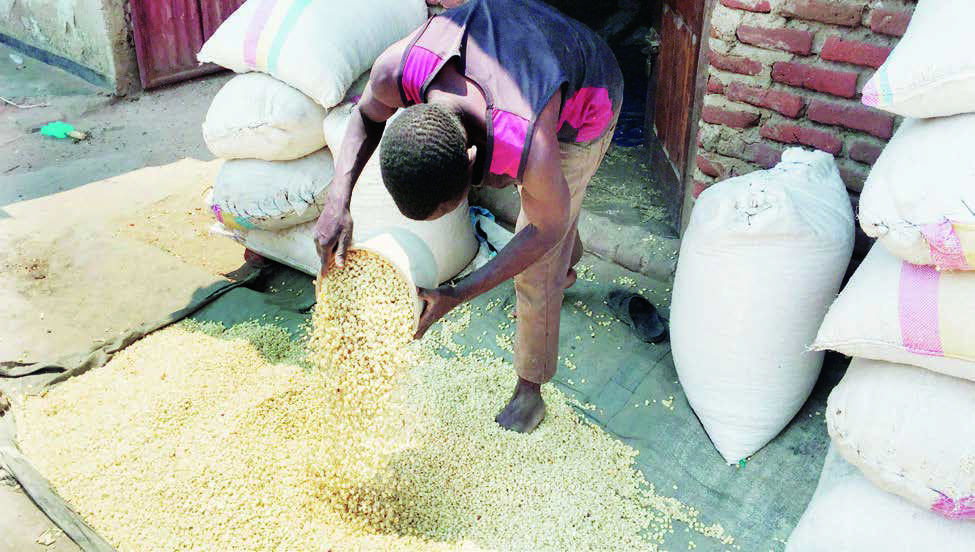
The latest maize market report by the International Food Policy Research Institute (Ifpri) Malawi reveals a significant decline in the national average retail price of maize. This six percent decrease in November, from K1,238 per kilogram to K1,168 per kilogram, is expected to have a ripple effect on the entire agricultural value chain. For maize farmers, this price drop may lead to reduced revenues, necessitating a review of their production costs and marketing strategies to maintain profitability. On the other hand, consumers and businesses that rely on maize as a raw material or staple food may benefit from lower costs, which could boost demand and stimulate economic growth.
The ndodo za malo (agricultural markets) in Malawi play a crucial role in setting prices and influencing the overall mphando wa chakula (food economy). As such, local entrepreneurs and small-scale farmers must be vigilant and adaptable in responding to these market fluctuations. By diversifying their products and exploring new markets, they can mitigate risks and capitalize on emerging opportunities. Furthermore, the Malawian government and development partners should continue to support agricultural development initiatives, such as irrigation schemes and extension services, to enhance productivity and improve the competitiveness of the maize sector.
The decline in maize prices also presents an opportunity for value addition and processing of maize products, which can increasingly contribute to Malawi’s economic growth. By investing in maize milling and processing facilities, local entrepreneurs can create new jobs and generate revenues from value-added products, such as maize flour, maizemeal, or tsaba (roasted maize flour). As the mphando wa chakula continues to evolve, it is essential for stakeholders to collaborate and innovate, ensuring that the benefits of lower maize prices are shared equitably among all players in the value chain.
What are your thoughts on this business development? Share your insights and remember to follow us on Facebook and Twitter for the latest Malawi business news and opportunities. Visit us daily for comprehensive coverage of Malawi’s business landscape.


- Economists Applaud Budget’s Business Friendly Vision - March 7, 2026
- Strengthening Senior Security: Bridging Malawi’s Elderly Pension Gap - March 7, 2026
- Water Leaks Threaten Business Stability in Malawi – Here’s How to Protect Yours - March 7, 2026