


Key Business Points
- The Malawi Government has laid a strong foundation for mining sector growth, with the sector expected to surge by 6.3 percent and improve its contribution to the country’s GDP from less than one percent.
- The restart of Kayelekera Mine and progress in other large-scale mining projects are expected to drive the sector’s contribution to GDP to between four and seven percent, with potential to reach 12 percent by 2027.
- To fully unlock the mining sector’s potential, further policy reforms are necessary, including streamlining the legal and regulatory framework, optimising administrative procedures, and fostering local participation, which can be achieved through kujitolea kwa maendeleo (commitment to development) and uchumi wa kuwajibika (responsible economy).
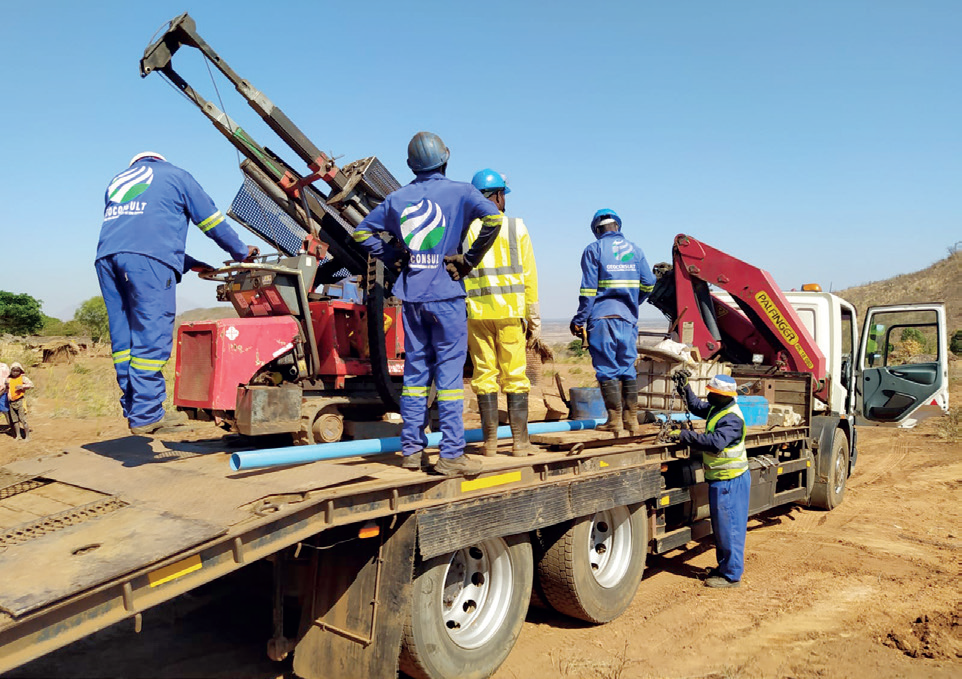
The Malawi Government’s efforts to strengthen the mining sector have started to bear fruit, with the sector expected to expand by 6.3 percent in 2025, up from 4.8 percent in 2024. The restart of Kayelekera Mine in August 2025 and progress in other large-scale mining projects, such as Kanyika Niobium Mine and Kangankunde Rare Earth Project, are expected to drive growth in the sector. The establishment of the Mines and Minerals Regulatory Authority and the Malawi Mining Investment Company has also enhanced the sector’s performance, demonstrating uzalili wa serikali (government’s commitment) to the sector.
The return to large-scale mining is a significant development, with the first yellow cake production at Kayelekera Mine marking a turnaround for the sector. The Malawi Chamber of Mines and Energy projects that the mine’s restart, coupled with progress in other large-scale mining projects, will drive the sector’s contribution to GDP to between four and seven percent. This is expected to rise to 12 percent by 2027, with the sector becoming a key contributor to the overall economic output, and contributing to maendeleo ya kiuchumi (economic development) in Malawi.
However, despite the progress, the sector still faces bottlenecks, including outstanding governance issues, infrastructure, energy, and technical skills deficiencies. The government needs to fast-track the finalisation of the Petroleum Policy and the review of petroleum legislation, as well as facilitate the introduction of mining-related courses at institutions of higher learning, which can be achieved through mikakati ya maendeleo (development strategies). Additionally, there is a need to provide support towards infrastructure development, enhance energy generation, and rehabilitate and re-equip mineral laboratories, which can be done through ushirikiano wa sekta binafsi (private sector participation).
The outlook for the mining sector is positive, with the Department of Mining data showing that Malawi has numerous heavy minerals and other precious stones that can earn the sector in excess of $30 billion in 10 years. However, to fully unlock its potential, further policy reforms are necessary, including streamlining the legal and regulatory framework, optimising administrative procedures, and fostering local participation, which can be achieved through ujumuisho wa sekta za kiuchumi (economic sector integration). As the sector continues to grow, it is essential for the government to ensure that the benefits of mining are shared equitably among all stakeholders, including local communities, and that the sector contributes to maendeleo endelevu (sustainable development) in Malawi.
What are your thoughts on this business development? Share your insights and remember to follow us on Facebook and Twitter for the latest Malawi business news and opportunities. Visit us daily for comprehensive coverage of Malawi’s business landscape.


- New Visions for Progress: Charting Malawi’s Next Generation Economic Growth - February 13, 2026
- Kanyika Niobium Mine Breaks Ground: Fuelling Malawi’s Business Growth - February 12, 2026
- RBM Tightens Grip: K145bn Treasury Decision Impacts Malawi’s Economic Landscape - February 11, 2026