


Key Business Points
- Malawi must accelerate rare earths mining to unlock billions in economic potential and create hundreds of jobs
- Government and private sector must collaborate on infrastructure upgrades to ensure timely project implementation
- Success could position Malawi as an emerging exporter of critical minerals for global technology supply chains
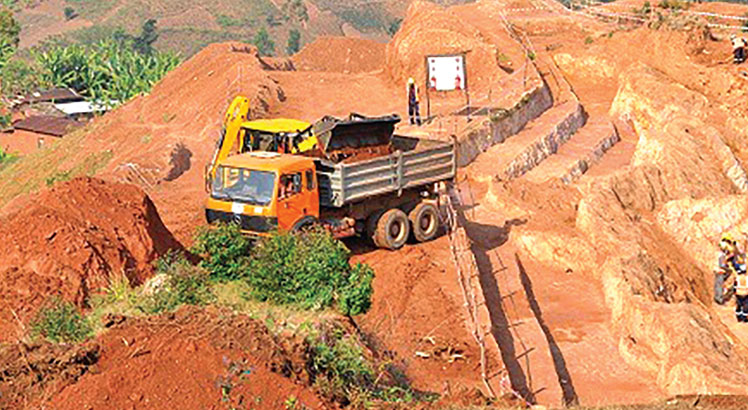
Malawi’s critical minerals sector stands at a turning point, with parliamentary leaders pushing for urgent development of the Songwe Hill Rare Earths Project in Phalomwe District. The $400 million initiative represents one of the country’s most promising mining investments and could significantly boost foreign exchange earnings.
Parliamentary Committee on Natural Resources, Energy and Climate Change chairperson Tiaone Hendry stressed that delays in developing this project could slow efforts to harness the economic potential of rare earth minerals. These minerals are essential for technologies like renewable energy systems, electric vehicles, and advanced electronics.
Mkango Resources Limited, through its subsidiary Lancaster Exploration Limited, signed a mine development agreement with the Malawi Government in July 2024. The agreement establishes the legal framework for what industry experts consider a world-class rare earths deposit. Front-end engineering work is underway and expected to complete within nine months.
Blantyre-based Mkango Resources Limited is currently in talks with the Electricity Supply Corporation of Malawi (ESCOM) for the supply of an estimated 25 megawatts of power to the mine. The company also needs construction of a 95-kilometre high-voltage transmission line from Blantyre to the site, plus upgrading of the access road from Migowi to Songwe.
Department of Mines Acting Principal Secretary Andrew Chisamba assured stakeholders that the government committed to supporting the project and has factored in the mine’s energy requirements in ongoing discussions with ESCOM.
The Songwe Hill project could create hundreds of direct and indirect jobs while generating substantial royalty payments and tax revenues for government coffers. This would significantly boost municipal and central government budgets. For local communities, the development promises infrastructure improvements and economic opportunities beyond the mine site.
Malawi’s current mining sector contributes about one percent to GDP, a stark decline from the 10 percent contribution during the Kayelekera Uranium Mine’s peak operations before 2014. The Songwe Hill project offers potential for revitalising this sector and diversifying economic growth beyond agriculture.
Success would position Malawi as an emerging player in the global supply of critical minerals, reducing dependence on imports from a limited number of producing countries. The project’s timing aligns with growing global demand for rare earths in clean energy and advanced manufacturing.
However, progress requires sustained collaboration between government, energy providers, and the private sector. Upgrading power infrastructure and transportation links will benefit not just the mine but regional economic development.
For Malawi’s broader economic trajectory, developing this resource responsibly could attract further investment in the mining sector while contributing to balanced regional growth. The Songwe Hill Rare Earths Project now stands as a key test of Malawi’s ability to translate mineral wealth into sustainable development.
What are your thoughts on this business development? Share your insights and remember to follow us on Facebook and Twitter for the latest Malawi business news and opportunities. Visit us daily for comprehensive coverage of Malawi’s business landscape.

