


Key Business Points
- Invest in backup power like solar or shared generators to protect production schedules and perishable stock
- Advocate for a published load shedding timetable so you can plan shifts and reduce idle time
- Track energy costs as a percentage of operating expenses and explore bulk fuel purchasing groups
Malawi’s small and medium enterprises are under severe pressure as persistent electricity outages disrupt daily operations across the country. A recent study of 362 businesses in Lilongwe Blantyre Mzuzu and Mangochi found that 90 percent of SMEs experienced power interruptions. Grid electricity supplies 80 percent of energy needs yet supply remains widely unstable with outages averaging six hours per day.
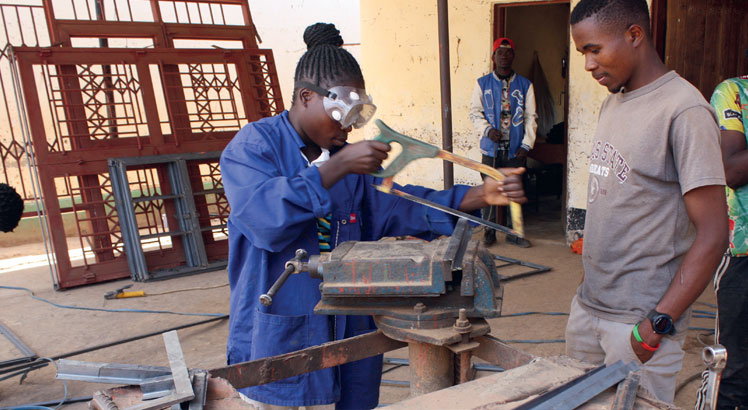
Charles Siyalo who has run Vilela Welding Shop in Ndirande Township since 1990 says his team loses production capacity because power cuts hit twice daily each lasting around three hours. Bridget Banda a meat products trader in Chirimba Township has been forced to sell stock at no profit or throw away spoiled goods because she cannot afford a generator. Her experience reflects the reality for many mabizinesi operating on thin margins.
James Chiutsi president of the Malawi Union of SMEs notes that the sector contributes about 40 percent of GDP yet entrepreneurs are spending up to 30 percent of operating costs on diesel. Monthly fuel bills have jumped from K80 000 to more than K400 000. Business owners are surviving by sharing generators shifting work hours to Escom supply windows using small solar for lights and cutting stock levels. Chiutsi warns that without a reliable power timetable and affordable alternative energy support livelihoods and businesses are at risk.
Tennyson Mulimbula general secretary of the Small Scale Business Operators Association of Malawi adds that fuel scarcity compounds the problem raising transport costs forcing early closures and eroding profits. He urges government and traders to diversify into solar and secure enough foreign exchange for continuous fuel procurement. For katapila operators the combined shock of power and fuel costs threatens daily chuma generation.
Electricity Generation Company data shows available generation capacity at 370 megawatts against installed capacity of 454.67 megawatts while peak demand stands at 451.61 megawatts. Escom is running demand side management load shifting and conservation appeals during peak periods. Minister of Energy Jean Mathanga has stated a target to stabilise the grid and deliver more reliable supply before December with government stocking spare parts to address machine breakdowns.
Only 25.9 percent of the population has electricity access including grid and off grid connections far below the 70 percent target for 2030 despite the country having 564.2 megawatts of installed capacity from hydro diesel and solar sources. For local entrepreneurs the message is clear. Energy resilience is now a core business strategy. Those who invest in off grid solutions negotiate group power purchases and align production cycles with reliable supply windows will protect margins and position for growth when the grid improves. Kugwira ntchito with the energy you have today while planning for the power you need tomorrow separates surviving enterprises from those that scale.
What are your thoughts on this business development? Share your insights and remember to follow us on Facebook and Twitter for the latest Malawi business news and opportunities. Visit us daily for comprehensive coverage of Malawi’s business landscape.


- Malawi’s Small Businesses Battle Persistent Power Cuts – Nation Online - October 8, 2026
- Malawi’s external commercial debt overhaul paves way for business growth - October 8, 2026
- Malawi Stock Exchange Plunges K1.3 Trillion in Q3 as Bear Market Intensifies - October 8, 2026