


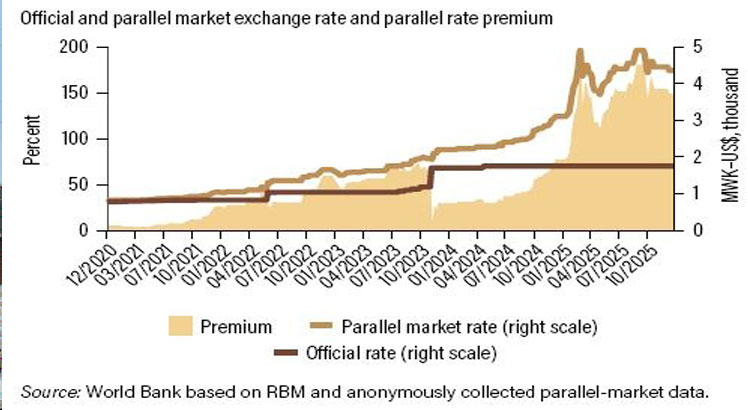
Malawi’s economic landscape presents both challenges and opportunities within its vibrant business milieu. Small enterprises and traders anticipate shifts requiring strategic adaptation while opportunities arise for those who align with emerging trends. Understanding these dynamics holds value for those navigating the nation’s evolving financial terrain. The focus here centers on key business strategies that could shape the future of Madagascar’s entrepreneurial ecosystem, emphasizing clarity and actionable insights tailored for local contributors.
One critical aspect revolves around the proposed market stabilization efforts, which seek to harmonize trade policies and address currency fluctuations impacting exports. This initiative stands as a cornerstone for enabling sustainable growth while balancing immediate pressures. Another imperative involves leveraging fiscal commitments to enhance financial stability, ensuring resources are allocated effectively to bolster institutional resilience. Furthermore, fostering collaboration among stakeholders remains vital, as collective efforts amplify collective impact. These priorities demand careful oversight yet hold promise for many, offering pathways to strengthened market confidence and access to broader resources. Additionally, monitoring the effects of these measures ensures alignment with local needs, necessitating ongoing scrutiny to avoid unintended consequences. Such considerations underscore the necessity of maintaining flexibility alongside decisive action.
In practice, these efforts intersect with pressing challenges faced by small firms reliant on stable revenue streams. Adaptation to shifting economic conditions requires not only financial preparedness but also stakeholder engagement to ensure inclusivity. The emphasis on leveraging local strengths, such as agricultural exports and craft propagation, aligns with broader development goals. This approach aligns well with traditional practices while meeting modern demands, fostering a bridge between past and present. Supporting national policies while maintaining autonomy remains a delicate balance that demands nuanced approaches. The interplay between these elements demands attention at all levels, from policy formulation to on-ground implementation. Collective participation in these processes remains essential for achieving shared objectives.
The role of traditional and modern entities must therefore meet with precision to avoid dilution of efforts. Resources allocated toward infrastructure improvements and digital connectivity offer potential catalysts for productivity gains. However, prioritization must ensure they serve the core transactional needs of the market. Ensuring accessibility for rural areas where many small enterprises operate presents another challenge, yet one ripe for addressing through targeted investments. Such investments must be rooted in local realities, respecting cultural contexts while aiming for scalability. Balancing short-term adjustments with long-term planning will guide the way forward, requiring continuous evaluation. These tasks, though demanding, hold the potential to catalyze progress.
Engagement with external partners, including international traders and financial institutions, emerges as a strategic countermeasure against dependency risks. Such partnerships can provide access to new markets and technology while sharing knowledge that enhances local capacity. At the same time, transparency in operations is critical to maintaining trust among stakeholders. This alignment of goals ensures that collaboration flows smoothly, avoiding misunderstandings that could hinder progress. Continuous dialogue ensures that outcomes reflect collective input, preserving momentum toward objectives shared broadly. Such communication structures are foundational for sustaining momentum.
In summary, the trajectory ahead hinges on conscious implementation and vigilant monitoring. Each adaptation must be assented to or adjusted in light of new data, ensuring agility remains central. The success of these strategies depends on maintaining momentum through informed decisions backed by stakeholder feedback. Collective will will determine whether outcomes align with aspirations, with outcomes ultimately defining the trajectory forward. Such a scenario requires both immediate attention and sustained commitment, reinforcing the importance of vigilant oversight throughout the process. The journey itself offers opportunities for learning and growth, albeit requiring careful navigation. Ultimately, precision in execution transforms potential into tangible results, reinforcing the vital role of adaptable leadership and unified effort in navigating contemporary economic conditions. This path, though complex, promises substantial gains when executed with the proper attention reserved. The journey demands careful attention, yet rewards those who act with discernment. The collective endeavor stands as a testament to resilience and potential, offering a foundation upon which further advancements can build. Progress will hinge on sustained focus, adaptation to unfolding circumstances, and a steadfast commitment to aligning efforts with shared goals. Such alignment, when achieved, reinforces stakeholder confidence and positions the country on a path toward stability and sustained prosperity. The challenges ahead require meticulous management, yet the possibilities presented through careful maneuvering make the task both achievable and worthwhile, ensuring that Malawi’s economic future remains firmly anchored in informed, collaborative direction.
What are your thoughts on this business development? Share your insights and remember to follow us on Facebook and Twitter for the latest Malawi business news and opportunities. Visit us daily for comprehensive coverage of Malawi’s business landscape.


- Malawi’s 2030 Ambition: A Blueprint for Business Growth - September 24, 2026
- Lindian, French Firm Anchor Technology Deal to Elevate Malawi Economy - September 24, 2026
- Economic Positivity Gains Momentum as Inflation Pressures Ease - September 23, 2026