


Key Business Points:
- Parliamentary concerns over resource overlap as MPs warn Mamico’s focus on mineral exploration may duplicate efforts of the Geological Survey Department.
- Potential funding challenges ahead with the Ministry of Energy and Mining requesting K114 billion in additional support, 12 times its current allocation.
- Strategic shift recommended for Mamico to concentrate on investment structuring and government equity negotiations rather than exploration.
Lawmakers in Malawi have voiced strong concerns over the Malawi Mining Investment Company’s (Mamico) current operations, suggesting the State-owned firm may be straying from its core investment function by engaging heavily in mineral exploration.
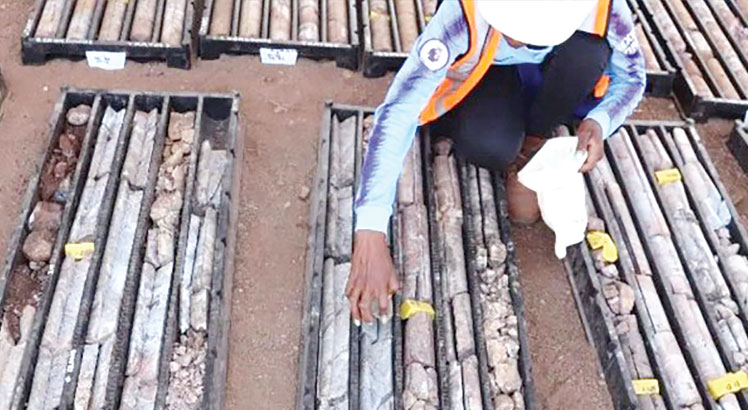
Members of Parliament raised the issue during an Agriculture and Natural Resources Parliamentary Cluster Committee meeting with the Ministry of Energy and Mining in Lilongwe. MPs reviewing the ministry’s 2025/26 performance and its proposed National Budget for 2026/27 questioned whether Mamico’s growing exploration role unnecessarily overlaps with that of the Department of Mining and the Geological Survey Department.
Committee chairperson Tiaone Hendry warned that such duplication is problematic, particularly as Malawi grapples with limited resources and massive funding shortfalls in the mining sector. Officials revealed the ministry needs K114 billion in additional funding—roughly twelve times its current allocation—to strengthen mineral exploration, laboratory infrastructure, and sector operations.
"Their focus is shifting away from investment," Hendry said. "Mamico should concentrate on investment in terms of government gains and negotiating strong deals with investors."
Mamico was created as the government’s mining investment arm, tasked with representing state interests in mining ventures, managing equity in strategic projects, and securing deals that could generate revenue for the country. Lawmakers argue that its involvement in exploration could dilute this mandate.
MPs also highlighted Malawi’s shortage of own geological data, noting that the country continues to depend heavily on information from private mining firms. They recommended that the Department of Mining prioritise mineral exploration and geological data collection so Malawi can develop an independent knowledge base for future negotiations.
Responding to these concerns, Acting Principal Secretary Andrew Chisamba maintained that Mamico’s primary role remains investment-focused. He said the company’s job includes safeguarding government equity stakes, negotiating joint ventures, and identifying commercially viable projects. Chisamba cited gold mining and limestone production as "low-hanging fruits" that could yield quick returns to fund further operations.
He acknowledged that limited technical capacity in government has placed much of the exploration burden on the private sector, but stated that further exploration by Mamico could help fill critical data gaps.
Mamico CEO Leonard Kalindekafe was unavailable at the time of reporting, but in previous interviews he has stressed the company’s mandate includes spearheading government equity participation, facilitating joint ventures, and driving value-addition initiatives.
With Malawi’s National Budget conversations intensifying, the ministry must now clarify Mamico’s role and demonstrate how it will prioritise investment in relation to exploration. For Malawi’s business and investment community, the focus must remain on ensuring the country’s mineral wealth translates into economic gains without unnecessary administrative overlaps or missed opportunities.
Local businesspeople should remain alert to future updates from the ministry and opportunities for investment partnerships that could emerge from a more sharply focused Mamico.
What are your thoughts on this business development? Share your insights and remember to follow us on Facebook and Twitter for the latest Malawi business news and opportunities. Visit us daily for comprehensive coverage of Malawi’s business landscape.

