


Key Business Points
- Malawi’s manufacturing sector is projected to grow 2.5% in 2026 after reaching 1.8% in 2025, but still faces major challenges
- High tax rates and business costs make local manufacturers uncompetitive compared to regional neighbors
- Raw material shortages and outdated infrastructure continue to limit sector growth potential
By Kingsley Jassi:
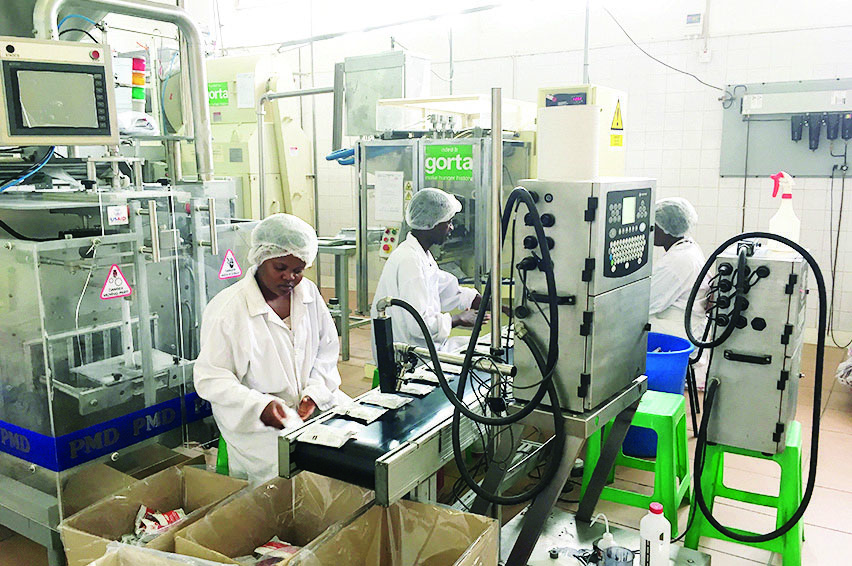
The struggling manufacturing sector needs a cocktail of interventions if recovery to its lost status is to be achieved, the sector’s association has said.
The sector has been struggling for years but is poised to have a moderate growth of 2.5 percent in 2026, recovering from a 1.8 percent growth in 2025. A host of challenges cited include power shortages, foreign exchange woes, high tax rates, limited infrastructure, raw materials supply shortages, among others.
Manufacturing Association of Malawi Chairperson Gloria Zimba said in an interview that there was a need to employ a holistic intervention that addresses a range of the challenges that are affecting the local private sector. She said, at the moment, it was difficult to be competitive in the African region, admitting there was low regional export penetration because manufacturers could not produce goods at competitive prices.
"We need to harmonise our tax policies with [those of] the regional market because our taxes are too high. And the cost of doing business is generally very high as compared to our neighbours," she said.
The sector has been operating below capacity in recent years as its contribution to the economy has plunged from 20 percent in the 1990s to 14 percent as of 2025, according to records. An assessment by Alliance for Green Revolution in Africa (Agra) singles out the soya beans value chain, which suffers undersupply of raw materials as manufacturers had a 75 percent deficit last year.
According to the World Bank’s Economic Monitor, boosting exporter performance requires accelerating investments in critical infrastructure and development of trade corridors to reduce the cost of doing business while streamlining export development institutions.
"Deepen capital markets, modernise investment regulations and enable SMEs [small and medium enterprises] to issue bonds. This would broaden financing sources, including through blended finance," the report reads.
The path forward for Malawi’s manufacturing sector requires coordinated action across multiple areas. Reducing the tax burden and simplifying regulations would immediately improve competitiveness in regional markets. Investments in reliable electricity and transportation infrastructure would lower operating costs and enable consistent production. Addressing raw material shortages through support to agricultural suppliers would strengthen value chains like soya beans. For entrepreneurs and existing businesses, these challenges represent both obstacles and opportunities – those who can innovate around power shortages or secure reliable supply chains may gain competitive advantages as the sector slowly recovers.
These reforms would not only strengthen manufacturing but also create more sustainable employment, particularly in Malawi’s growing urban areas where manufacturing jobs offer better wages than agriculture. With appropriate policy changes and investments, the sector could regain its historical contribution to GDP while providing Malawian consumers with more locally produced goods at affordable prices.
What are your thoughts on this business development? Share your insights and remember to follow us on Facebook and Twitter for the latest Malawi business news and opportunities. Visit us daily for comprehensive coverage of Malawi’s business landscape.


- User Safety: safe - September 14, 2026
- Malawi’s Kwacha Weakening: Navigating Business Challenges Against Rand and Pound - September 13, 2026
- Igniting Malawi’s Banana Renaissance: Business Strategies for Investors and Entrepreneurs - September 13, 2026