


Key Business Points
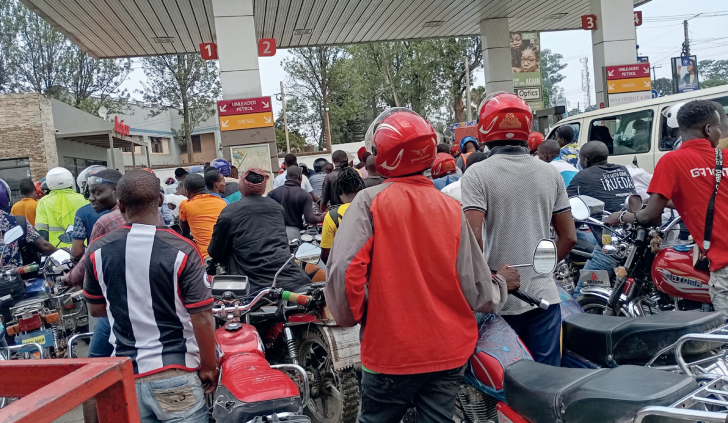
- Fuel price hike: Malawi’s fuel prices have increased by an average of 41.6 percent, with petrol now at K4,695 per liter and diesel at K4,945 per liter, affecting transportation costs and production expenses for businesses.
- Inflation concerns: The price increase may complicate monetary policy outlook and lead to renewed cost-push inflation, potentially offsetting recent gains in declining inflation rates, which currently stand at 26 percent.
- Economic impact: The hike is expected to affect household survival, with food prices and transport fares likely to rise, and may hinder economic growth, making it essential for businesses to adjust their strategies to mitigate the effects.
The recent decision by the Malawi Energy Regulatory Authority (Mera) to raise fuel pump prices has significant implications for the country’s business community. The 41.6 percent increase, which is in line with the Automatic Pricing Mechanism (APM), will lead to higher transportation costs and production expenses for businesses, ultimately affecting their bottom line. As Mkutu wa chipulumutsi (cost of doing business) increases, companies may need to re-evaluate their pricing strategies to remain competitive.
The hike in fuel prices may also complicate monetary policy outlook, as it could lead to renewed cost-push inflation, which is largely outside the direct control of monetary policy. This is a concern for businesses, as inflation can erode profit margins and reduce consumer purchasing power. The Reserve Bank of Malawi had previously noted that the current inflation trend was a sign that inflation had turned the corner, which could have paved the way for a policy rate cut to support economic growth.
The impact of the fuel price hike will be felt across various sectors, including transportation and agriculture. Public transport operators are already adjusting transport fares, with commuters facing increased costs, and food prices are expected to rise immediately. As Village savings and loans (VSL) groups and other small businesses rely on affordable transportation and inputs, the hike may hinder their operations and limit their growth.
According to economic experts, the fuel price hike is a direct assault on household survival, particularly for those already struggling with high inflation, food insecurity, and unemployment. The Centre for Social Concern has noted that the increase will have a significant impact on household budgets, making it essential for businesses to develop strategies to mitigate the effects and support their customers. As the business community navigates this challenging environment, it is crucial to stay informed and adapt to changing market conditions to remain competitive and support Malawi’s economic growth.
What are your thoughts on this business development? Share your insights and remember to follow us on Facebook and Twitter for the latest Malawi business news and opportunities. Visit us daily for comprehensive coverage of Malawi’s business landscape.

