


Key Business Points
- Invest in climate-resilient production systems to strengthen the economy and boost private sector productivity, as recommended by the Malawi Confederation of Chambers of Commerce and Industry (MCCCI).
- Prioritize small and medium enterprises (SMEs) as engines of job creation and diversification, and support them through empowerment initiatives, as they are the backbone of Malawi’s economy, known as "mfundo wa uchumi" in Chichewa.
- Diversify exports and expand markets beyond primary commodities to reduce reliance on a single sector and increase foreign exchange generation, a key aspect of "uzirikiti wa ufedha" or financial stability.
The Malawi Confederation of Chambers of Commerce and Industry (MCCCI) has urged the government to prioritize climate-resilient investments and reforms to transform the economy and boost private sector productivity. In its 2025 Annual Economic and Business Review, the chamber outlined seven priorities, including investing in climate-smart agriculture, energy, industrial parks, and other export-oriented ventures that guarantee foreign exchange generation. Climate-smart agriculture is critical, as agriculture forms the backbone of the economy, and greater investment in irrigation, climate-smart technologies, resilient seed varieties, and improved water management is necessary.
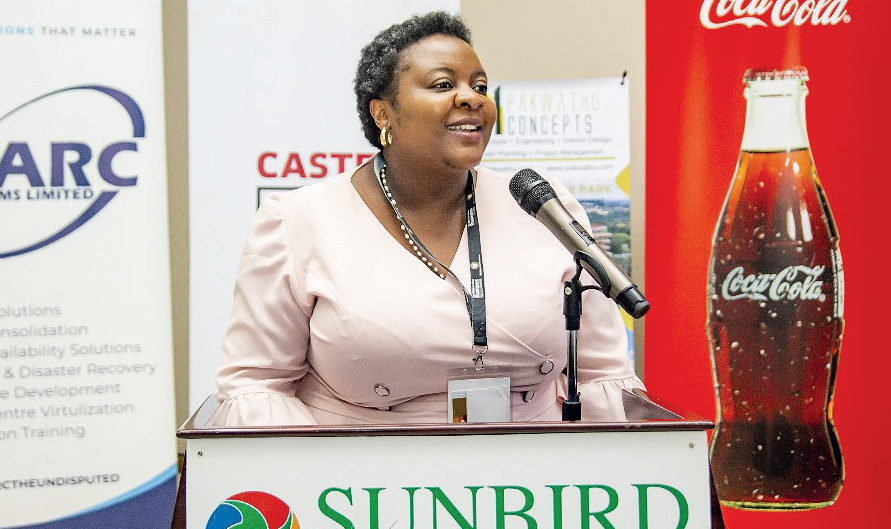
The MCCCI stressed that Malawi’s economy is highly vulnerable to climate shocks and fiscal pressures, requiring urgent reforms and targeted investments to strengthen resilience, competitiveness, and sustainability. The chamber’s chief executive officer, Daisy Kambalame, noted that high inflation and economic uncertainty have significantly undermined investor confidence, deterring foreign direct investment and forcing entrepreneurs to reassess their investment decisions. This has led to instances where investors have withdrawn their capital entirely, seeking more stable and predictable economic environments in neighboring countries.
The business climate has been further weakened by the hostile business environment, which has choked operations of small businesses, according to Malawi Union of Micro, Small and Medium Enterprises president James Chiutsi. The economy has not performed well, and prices of fuel have gone up, affecting inflation and small businesses. Minister of Industrialisation, Business, Tourism and Trade George Partridge acknowledged that declining capacity utilization was not surprising given the unsatisfactory business environment and stated that the government is prioritizing immediate interventions while developing medium- and long-term measures to improve the operating environment.
The MCCCI’s recommendations, coupled with human capital development, can reposition Malawi’s private sector as a driver of inclusive growth and resilience in the face of global and domestic challenges. The chamber’s half-year Business Climate Survey showed that most firms are operating below capacity, highlighting the need for urgent reforms and investments. Real gross domestic product is projected to grow by 2.7 percent in 2025, slightly lower than the earlier forecast of 2.8 percent, according to the Reserve Bank of Malawi. As the government and private sector work together to address these challenges, entrepreneurs and business owners must be prepared to adapt and innovate to remain competitive in the market, focusing on "kugwiritsa ntchito" or productivity and efficiency.
What are your thoughts on this business development? Share your insights and remember to follow us on Facebook and Twitter for the latest Malawi business news and opportunities. Visit us daily for comprehensive coverage of Malawi’s business landscape.


- Malawi’s Tourism Boom: A K1 Trillion Opportunity for Business Growth! - March 4, 2026
- Bad Loans Fall: Positive Shift Signals Economic Recovery - March 3, 2026
- Bank Levy Deductions Spark Public Outcry and Economic Debate in Malawi - March 3, 2026