


Key Business Points
- Fiscal reforms are crucial to addressing Malawi’s rising public debt, persistent fiscal deficits, and widening inequalities in the tax system, which threaten to undermine economic recovery.
- Debt oversight and taxation of high-income earners and corporations must be improved to ensure a more equitable distribution of the tax burden and prevent the exploitation of ordinary households.
- Disciplined fiscal anchors and realistic budgeting are necessary to prevent future debt crises and promote economic stability, with stakeholders warning that the current debt trajectory reflects structural weaknesses in fiscal planning.
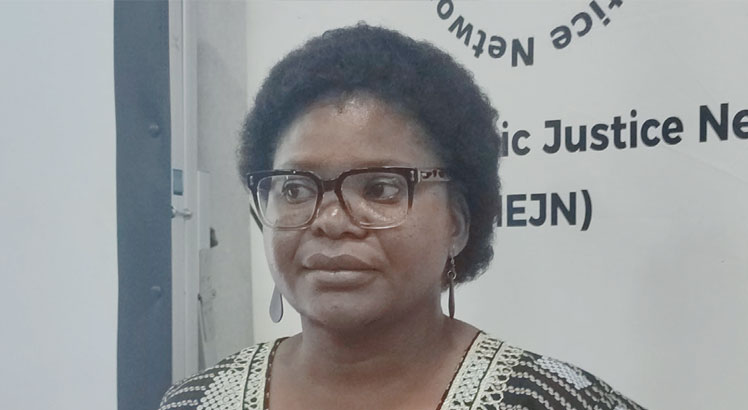
Malawi’s economic slowdown has now stretched into a fourth year, marked by high inflation at 29.1 percent and weak growth at less than two percent, eroding the welfare of ordinary households. The Malawi Economic Justice Network (Mejn) has renewed calls for deeper fiscal reforms, warning that the current economic situation undermines any meaningful effort to lift people out of poverty. Bertha Phiri, Mejn executive director, argued that fiscal reforms should begin with stronger scrutiny of domestic borrowing, warning that current provisions grant the Minister of Finance, Economic Planning and Decentralisation wide discretion to borrow locally without sufficient oversight from Parliament.
According to Christopher Mbukwa, Mzuzu University economics lecturer, the country’s debt trajectory reflects structural weaknesses in fiscal planning, with domestic borrowing growing "far beyond sustainable thresholds". He recommended that the Treasury should adopt realistic budgeting, strengthen the Medium-Term Debt Strategy, and improve revenue mobilisation among high-income earners and large corporations. Reverend Davidson Chifungo, Evangelical Association of Malawi vice-chairperson, emphasized that the tax system must become more equitable and transparent, with the burden shared fairly among all taxpayers.
The Budget and Finance Committee of Parliament chairperson, Sosten Gwengwe, warned that Malawi’s rising domestic debt and interest obligations, projected at K2.7 trillion, are now the biggest threat to fiscal stability. He cautioned that political incentives continue to overshadow sound economic decision-making, with the cohort that favours political interests over sound economic policy being in the majority. Stakeholders agreed on several priorities, including improving debt oversight, broadening taxation of high-income earners and corporations, enhancing equity in tax administration, and strengthening accountability for public resources.
In a recent update, Minister of Finance, Economic Planning and Decentralisation Joseph Mwanamvekha revealed that public debt is now at K28 trillion. As Malawi’s business community navigates these challenges, it is essential to prioritize zinthu zoulula (sound economic decisions) over political interests. By promoting tsogolo lathu (our future) and ulere wa mtundu (national interest), stakeholders can work together to address the country’s economic challenges and promote a more equitable and sustainable economic growth trajectory.
What are your thoughts on this business development? Share your insights and remember to follow us on Facebook and Twitter for the latest Malawi business news and opportunities. Visit us daily for comprehensive coverage of Malawi’s business landscape.


- Malawi Mining Giant Gears Up for Q4 Production Launch - March 10, 2026
- Reserve Bank Drives Economic Boost with Single Digit Inflation Target - March 10, 2026
- First, it makes sense to anchor the message in something that signals both clarity and significance for the intended audience. The core facts—Ecama’s endorsement and businesses celebrating—are strong and should stay front and center. The word “rate cut” is direct but might feel dry; substituting a more evocative alternative helps retain the business critical language without sacrificing punch. Since variations of “boost” and “unlock” are ruled out, leaning on compact, attention grabbing verbs like “Slash,” “Stoke,” or “Ignite” works better, but each risks being too general if not paired carefully. That makes “Slash” appealing because it’s short, specific, and conveys tangible action. Swapping “ecama” and “businesses” in the headline so the emotional payoff lands earlier (businesses welcoming first) makes the title both more readable and impactful. The result naturally ties into growth themes while staying focused on the practical implications for the country’s business community.Slashing Rates Spark new Growth Opportunity for Malawi Businesses - March 10, 2026