


Key Business Points
- Accelerate economic growth: Malawi needs to make serious adjustments to achieve lower middle-income status by 2030, with a focus on increasing per capita income to above $1,000.
- Prioritize high-value crops and industrialization: Low land utilization and lack of investment in key industries are major drawbacks, and transformational changes are needed to drive growth and poverty reduction.
- Harness emerging opportunities: Mining ventures, agricultural productivity, and youth-driven innovation can provide growth momentum if governance and investment priorities are realigned, and zinthu zina zikusintha (things can change) with the right approach.
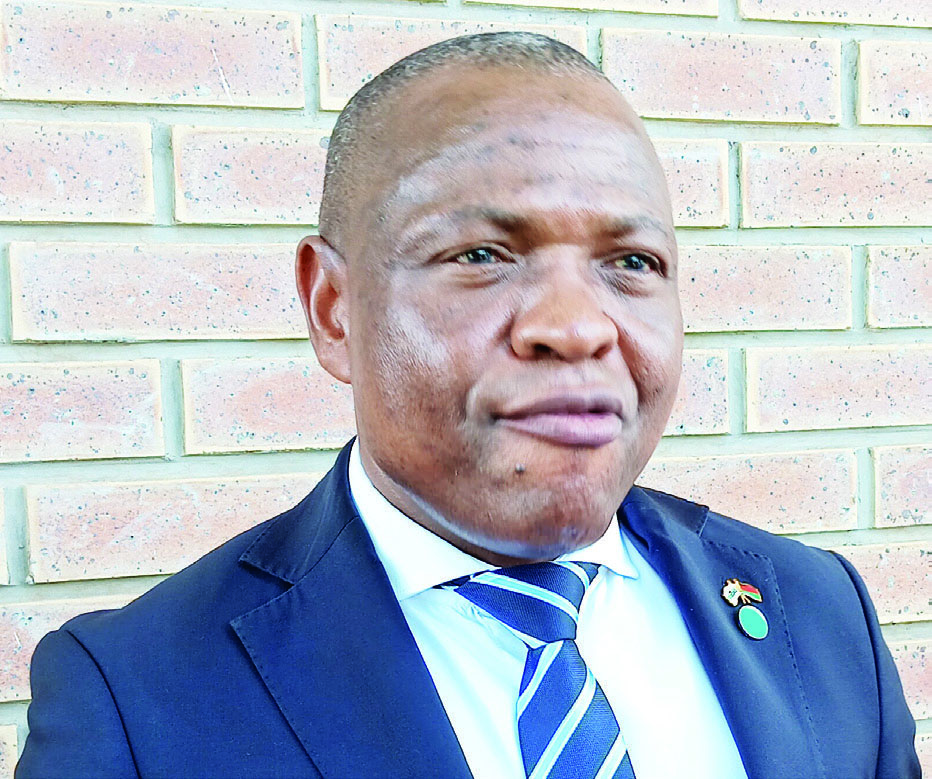
The National Planning Commission (NPC) has proposed adjustments to the Malawi 2063’s first 10-year implementation plan due to deviations that make it impossible to achieve lower middle-income status at the current pace. Malawi’s per capita income has dropped to below $522 as of 2024, down from $633 in 2023, and kugwira ntchito (working together) is crucial to raise it above $1,000 by 2030. NPC Director General Fredrick Changaya emphasized the need for serious adjustments to accelerate economic growth, including new priority areas for financing and a focus on high-value crops and industrialization.
The MW2063 MIP1 Accelerator Plan presents opportune areas that can help the country make gains towards achieving medium and long-term targets. However, low land utilization and lack of investment in key industries are major drawbacks, and kulima kwa njala (farming for hunger) is not enough to drive growth. Changaya cited serious industrialization as a catalyst for real transformation and poverty reduction, and emerging mining opportunities can provide growth momentum if malawians amene amagwira (Malawians who work) in the sector are given priority.
The youth, who constitute 53 percent of the population, are the most affected by the underperforming economy, and kuvutika kwa vinyama (youth empowerment) is crucial for development efforts. The National Youth Council of Malawi and youths in Lilongwe have been engaged as part of sensitization on the Youth Engagement Strategy for Malawi 2063, and kugwira ntchito kwa pamoza (working together) is essential to achieve the vision.
Malawi’s current macroeconomic fundamentals present a mixed picture for achieving MIP-1 targets, with elevated inflation, a depreciating kwacha, and fiscal pressures limiting space for development spending. However, opportunities exist in emerging mining ventures, improved agricultural productivity, and youth-driven innovation, and kuzipanga zinthu (planning things) is crucial to harness these opportunities and drive growth. Without decisive reforms, however, these fundamentals risk deterring Malawi’s path to lower middle-income status by 2030, and tifike patsogolo (we should move forward) with the right strategies to achieve the vision.
What are your thoughts on this business development? Share your insights and remember to follow us on Facebook and Twitter for the latest Malawi business news and opportunities. Visit us daily for comprehensive coverage of Malawi’s business landscape.

