


Key Business Points
- Rising rental costs in Malawi’s student accommodation market, particularly in Chikanda, are outpacing inflation and students’ financial capacity, with some rents increasing by 60-67% in a year.
- Supply constraints and a shortage of on-campus hostels are driving up prices, with only 1,200 bed spaces available for over 10,000 students at the University of Malawi, leading to a shortage of affordable housing options.
- Policy incentives, such as waivers on import duty and excise tax on building materials, aim to stimulate private investment in student hostels, but progress remains limited, and regulatory gaps in the rental market leave students vulnerable to exploitation.
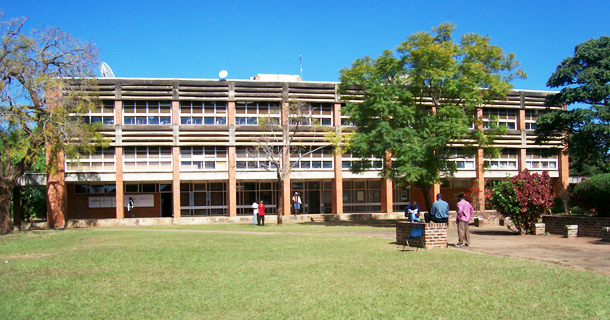
The student accommodation market in Malawi, particularly in Chikanda, is facing a crisis due to rising rental costs and a shortage of affordable housing options. Rentals have surged at a pace that far exceeds inflation and students’ financial capacity, with some rents increasing by 60-67% in a year. This is attributed to supply constraints and a shortage of on-campus hostels, with only 1,200 bed spaces available for over 10,000 students at the University of Malawi. The Students Representative Council (SRC) and university officials point to the long-standing accommodation deficit as the root cause of the problem.
The situation is further complicated by the fact that off-campus rentals are structurally more expensive than campus accommodation due to the absence of economies of scale. Landlords argue that rental increases are driven by rising operational and construction costs, with construction material prices increasing by an average of 31.2% between January and March this year. However, students say that the increments are unheard of in nearby suburbs, and that they are being forced into accommodation ill-suited for higher learning.
The absence of standardised tenancy contracts and regulatory gaps in the rental market leave students vulnerable to exploitation. Property manager and real estate practitioner Henry Kandoje notes that Chikanda’s rental instability reflects years of underinvestment and regulatory gaps. The limited scope for price regulation in Malawi’s open economic framework means that students are exposed to a market shaped by scarcity rather than affordability.
To address the issue, the government has introduced policy incentives, such as waivers on import duty and excise tax on building materials, to stimulate private investment in student hostels. The International Finance Corporation has also announced plans to support the Government of Malawi in attracting private sector investment for purpose-built student accommodation at public universities through a competitive Public–Private Partnership model. However, progress remains limited, and the effects of the crisis go beyond finances, with overcrowding, unreliable utilities, and safety concerns undermining students’ well-being.
As zinthu zikukwana (things are getting tough) for students in Malawi, it is essential for stakeholders to work together to address the crisis in the student accommodation market. This can be achieved through ufumu wa malo (land ownership) reforms, thandizo la kifedha (financial assistance), and kanuni za uthandiziro (regulatory support) to ensure that students have access to affordable and decent housing. By doing so, Malawi can create a more mazingira ya kielimu (conducive learning environment) for its students, which is essential for the country’s maendeleo ya kiuchumi (economic development).
What are your thoughts on this business development? Share your insights and remember to follow us on Facebook and Twitter for the latest Malawi business news and opportunities. Visit us daily for comprehensive coverage of Malawi’s business landscape.


- Making Social Insurance Work for Malawi’s Business Community - March 1, 2026
- Unlocking Malawi’s Trade Potential: K411 Billion in Barriers Explained - February 28, 2026
- Malawi Secures K75bn Chinese Grant for Landmark Dual Carriageway - February 28, 2026