


Key Business Points
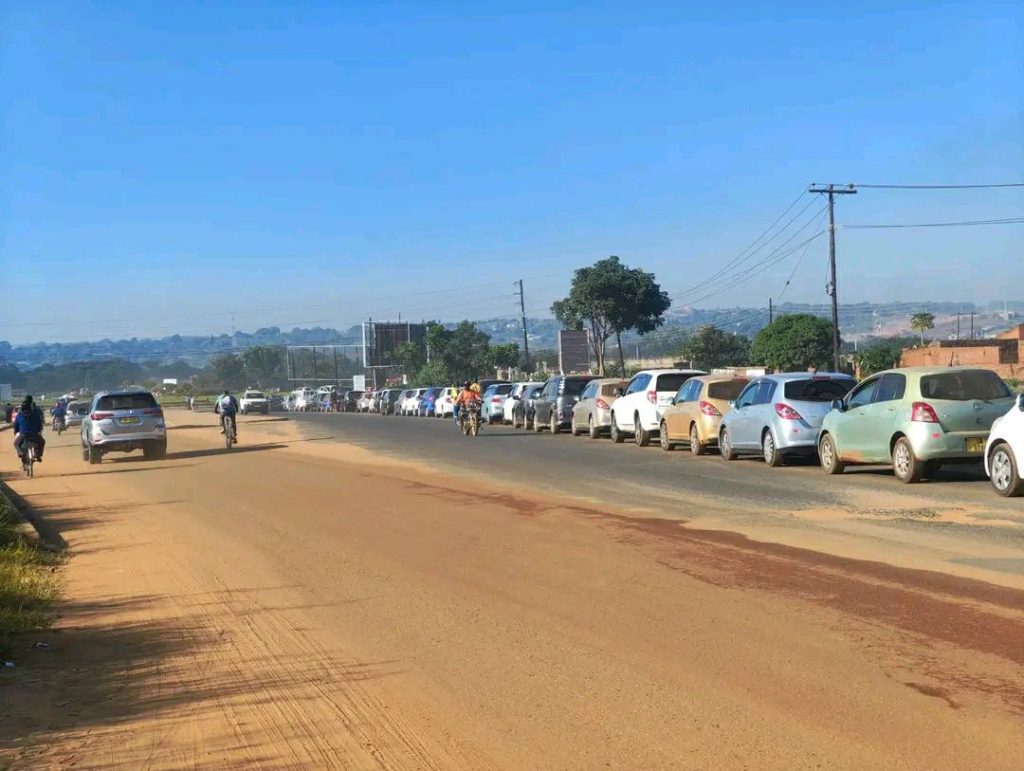
- Fuel shortages drive transport costs up 12.5 percent squeezing household budgets and business margins
- Overall inflation easing but non-food inflation remains high at 31.5 percent affecting operating costs
- Government targets 15 percent inflation by March 2027 creating planning certainty for investors
Malawi’s business community faces fresh pressure as persistent fuel shortages push transport costs sharply higher according to new data from the Employers Consultative Association of Malawi. The October 2026 Cost of Living Analysis shows monthly transport expenditure for an average household of six jumped from K160 000 to K180 000 in a single month. This 12.5 percent surge lifted the total monthly cost of living by 3.5 percent to K1.2 million adding K40 211 to household bills.
The impact extends beyond family budgets. Agnes Nyirongo of the Centre for Social Concern notes that foreign exchange scarcity keeps transport costs volatile stifling business growth across sectors. Rising production and distribution expenses are being passed to consumers creating a cycle that fuels further inflation. For local entrepreneurs managing mabizinesi this means tighter margins and unpredictable operating costs.
Food prices rose 2.73 percent to K684 700 while non-food items edged up 0.62 percent to K325 379. Stripping out transport the basic needs basket grew a more modest 2.04 percent. This distinction matters for retailers and wholesalers tracking msika dynamics. The data suggests core inflation pressures remain contained even as logistics bottlenecks distort the headline figure.
Macroeconomic indicators offer a mixed picture. Headline inflation eased to 19.4 percent in September from 20 percent in August. Food inflation declined to 12.5 percent from 13.4 percent. However non-food inflation stays elevated at 31.5 percent reflecting structural cost pressures in services manufacturing and imported goods. For businesses importing raw materials or equipment this high non-food inflation translates directly to higher input costs.
Policy signals provide some forward visibility. Finance Minister Joseph Mwanamvekha presenting the K10.978 trillion 2026/27 National Budget projects inflation falling to 15 percent by March 2027 supported by easing food prices and improved macroeconomic conditions. The Reserve Bank of Malawi forecasts annual average inflation of 22 percent for 2026 down from 28.4 percent in 2025. These targets give the private sector a framework for chuma planning and investment decisions.
The fuel crisis underscores a deeper structural vulnerability. Forex scarcity limits fuel imports creating cascading effects across transport agriculture and distribution networks. Businesses that can localize supply chains or invest in fuel-efficient logistics may gain competitive advantage. The government’s inflation target suggests commitment to macro stability but delivery depends on resolving the foreign exchange constraint.
For investors and established firms the message is clear. Monitor transport costs closely as a leading indicator. Build fuel contingencies into pricing models. Track the forex market for signals on import capacity. The ndalama environment remains challenging but the disinflation trend if sustained creates openings for strategic expansion.
What are your thoughts on this business development? Share your insights and remember to follow us on Facebook and Twitter for the latest Malawi business news and opportunities. Visit us daily for comprehensive coverage of Malawi’s business landscape.


- Rising Transport Costs Squeeze Household Budgets and Business Margins - November 22, 2026
- Govt Puts Local Businesses First with Renewed Buy Malawi Push - November 21, 2026
- Economists Detail Plan to Tame Inflation for Malawi Businesses - November 21, 2026