


Key Business Points
- Financial institutions and money transfer operators must comply with anti-money laundering regulations to avoid crippling the economy and facing severe consequences, including closure.
- The Bankers Association of Malawi will work with authorities to identify and hold accountable individuals involved in illicit transactions, ensuring the integrity of the banking system.
- Regulatory scrutiny will increase, with the government committed to managing the economy effectively and preventing money laundering and illegal transactions.
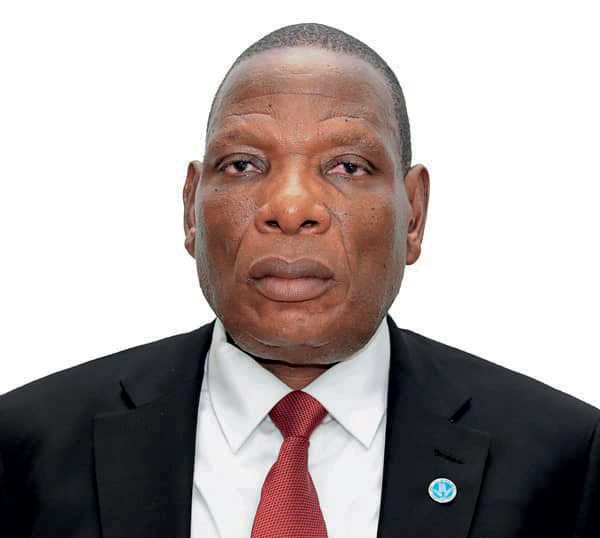
The Malawian government has issued a stern warning to financial institutions, including money transfer operators, against facilitating money laundering and illegal transactions. According to Finance Minister Joseph Mwanamvekha, these malpractices are crippling the economy and will not be tolerated by the current administration. Speaking at the 2026-27 pre-budget consultation meeting in Blantyre, Mwanamvekha emphasized that the authorities are aware of the illicit activities and will take action against those involved.
Mwanamvekha’s warning comes as the government seeks to strengthen regulatory oversight and prevent the misuse of the financial system. The minister urged local banks and money transfer operators to zisankhe za mtendere (work together) to manage the economy effectively and prevent money laundering and illegal transactions. The government’s commitment to ukongwe (transparency) and accountability is expected to boost confidence in the financial sector and attract more investment to Malawi.
In response to the minister’s warning, Bankers Association of Malawi Chief Executive Officer Lyness Nkungula acknowledged that a few individuals within the banking system may be involved in illicit transactions. However, Nkungula shifted the blame away from the entire banking system, emphasizing that banks are highly regulated and cannot afford to take risks that could result in the loss of their operating certificates.
The Bankers Association of Malawi has pledged to engange na ulemu (work with diligence) with the authorities to identify and hold accountable those involved in money laundering and illegal transactions. Nkungula welcomed the minister’s proposal for bilateral meetings with stakeholders to address the issue, saying it would help to chenjeza (iron out) the problems and ensure that the banking system operates with integrity.
As the government cracks down on money laundering and illegal transactions, malawian entrepreneurs and business owners must ensure that their financial transactions are transparent and compliant with regulatory requirements. By doing so, they can kuvina biashara (grow their businesses) and contribute to the country’s economic growth, while avoiding the risks associated with non-compliance. The government’s efforts to tengera dziko (build the country) through effective economic management and regulation are expected to create a more favorable business environment, attracting investment and promoting economic development in Malawi.
What are your thoughts on this business development? Share your insights and remember to follow us on Facebook and Twitter for the latest Malawi business news and opportunities. Visit us daily for comprehensive coverage of Malawi’s business landscape.


- Montepuez Ruby Mining: A Catalyst for Economic Growth in Malawi - March 5, 2026
- World Bank Identifies Export Barriers Holding Back Malawi’s Growth - March 4, 2026
- Malawi’s Tourism Boom: A K1 Trillion Opportunity for Business Growth! - March 4, 2026