


Key Business Points
- Fuel levy reform will create domestic funding for social protection.
- Mining revenue management will support the national cash transfer.
- Tax compliance improvements will ensure long‑term financing.
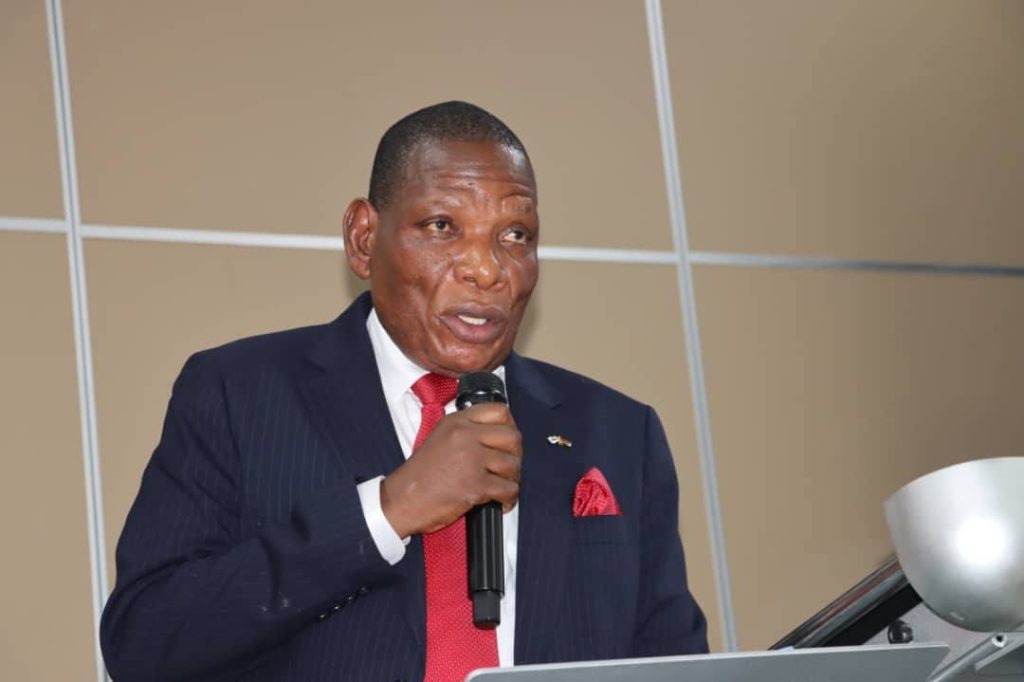
The government of Malawi has introduced a Social Protection Financing Strategy designed to reduce dependence on foreign aid by expanding domestic funding. Finance Minister Joseph Mwanamvekha called the plan a decisive step to unify programmes such as social cash transfer, public works and school meals. He stated that social protection is an investment in human capital that lowers poverty, improves nutrition and keeps children in school, ultimately raising productivity and reducing inequality. The strategy identifies fuel levy restructuring, better management of mining revenues and stronger pension compliance as main revenue sources. It also urges the government to limit tax waivers that could shrink the budget for social protection. World Bank official Abdu Muwonge warned that without greater efficiency and fewer exemptions, funding may become insufficient, especially as climate change increases needs. A study in the Malawi Journal of Politics and Public Affairs reveals that donors still finance 95 percent of the cash transfer programme, with the World Bank contributing 36 percent, Germany 27 percent, the European Union 23 percent, Irish Aid 7 percent and Unicef 1 percent. The government’s share has averaged only five percent since 2016‑17, giving donors considerable influence over programme design and implementation. The new approach seeks to reverse this imbalance by increasing domestic contributions. The government plans to expand the cash transfer to additional districts and expects the move to boost economic growth and create investment opportunities for local entrepreneurs. A reliable social safety net can also support local entrepreneurship, as families with steady income are more likely to start small businesses. Malawi’s business community is watching the strategy’s progress, as its success could shape national development. The commitment to domestic resource mobilisation signals a shift toward self‑reliance, which may attract investors. In Chichewa, the phrase moyo wa anthu, people’s well‑being, reflects the communal value of protecting the vulnerable. The launch has prompted discussions on balancing fiscal responsibility with social equity. Officials will need to monitor revenue streams, enforce compliance and maintain transparency. Over the next years, adjustments to the fuel levy, mining revenue reforms and tighter tax administration could generate funds to expand the cash transfer programme, potentially serving as a model for other African nations. Business owners should consider how a stronger social safety net might influence consumer spending, labour supply and market demand. A more secure population could increase demand for goods and services, creating new market opportunities. At the same time, the government’s push for fiscal discipline may lead to a more predictable business environment. The coming years will test whether Malawi can turn these policy commitments into tangible results. The strategy’s focus on domestic financing, efficient revenue collection and inclusive growth offers a path toward a more resilient economy. By ensuring that families have reliable income, the programme can stimulate local markets and encourage small enterprise development. This positive cycle may attract further investment, enhance productivity and contribute to a more prosperous Malawi. The strategy’s emphasis on domestic resource mobilisation also reduces vulnerability to external shocks, creating a stable fiscal environment for businesses. Such stability is essential for long‑term planning and growth. It fosters investor confidence. today Future outlook
What are your thoughts on this business development? Share your insights and remember to follow us on Facebook and Twitter for the latest Malawi business news and opportunities. Visit us daily for comprehensive coverage of Malawi’s business landscape.


- Maize Prices Edge Up in September: Market Analysis for Malawi Investors - October 24, 2026
- IPMM Demands HR Bill Passage to Stabilize Malawi’s Labour Landscape - October 23, 2026
- MDC Overhaul Gains Momentum, Signaling New Investment Era - October 23, 2026