


Key Business Points
- Boost local processing: Investors should prioritize setting up maize‑flour and oilseed mills to capture value before export, reducing reliance on raw commodity sales.
- Leverage regional trade links: Use the MTL (Mozambique‑Tanzania‑Lusaka) corridor to lower transport costs and reach new markets for horticulture and fish products.
- Tap government incentives: Take advantage of tax holidays and streamlined licensing for renewable‑energy projects, especially small‑scale solar farms that can power agro‑processing plants.
The Malawi Chamber of Commerce released its latest market outlook, underscoring both challenges and emerging opportunities for Malawian entrepreneurs. The report, compiled from data provided by the Ministry of Finance, the Reserve Bank, and private sector surveys, paints a picture of an economy that is gradually stabilising after two years of currency pressure and drought‑related supply shocks.
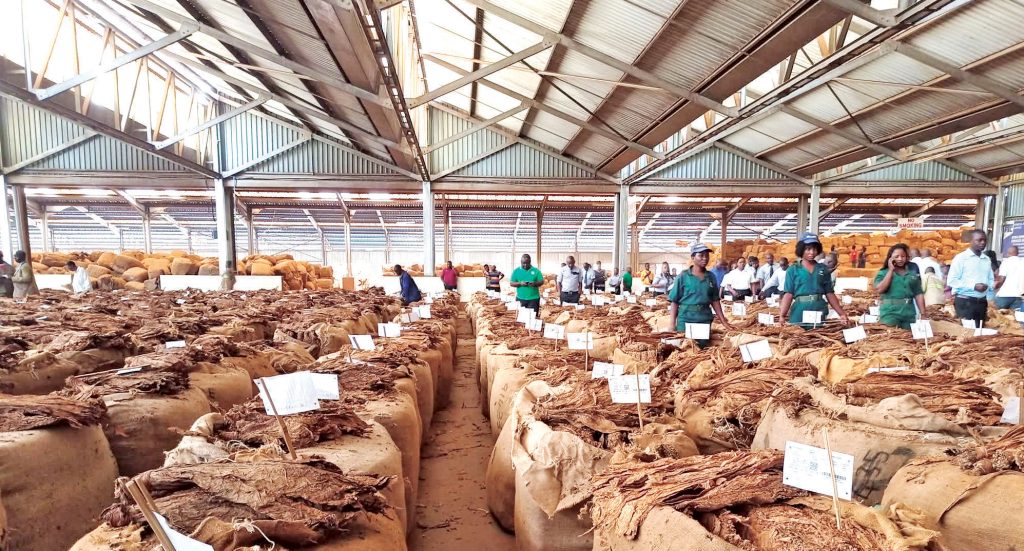
Agriculture remains the engine of growth, accounting for roughly 30 % of GDP and employing the majority of the workforce. However, the shift from raw‑crop exports to value‑added processing is now a clear priority. Analysts note that while tobacco still generates the largest foreign‑exchange earnings, its market share has slipped to 12 % of total exports, down from 16 % in 2021. The decline is linked to falling global prices and stricter antismoking regulations in key markets.
In contrast, maize, soybeans and groundnuts are experiencing a surge in domestic demand, driven by rising consumer incomes and government school‑feeding programmes. Companies that invest in local milling, oil extraction and packaging can capture higher margins and reduce dependence on volatile world prices. The Chamber’s survey shows that 68 % of small‑scale farmers would sell directly to a processor if reliable contracts were offered, highlighting a gap that private investors can fill.
Regional trade corridors are gaining momentum. The recently upgraded MTL (Mozambique‑Tanzania‑Lusaka) road network shortens travel time from Lilongwe to the Tanzanian port of Dar es Salaam by an average of 12 hours. Exporters of fresh horticultural produce, especially tomatoes and leafy greens, are already testing the route, citing lower freight costs and faster market access. Business owners are advised to register with the Malawi Export Promotion Bureau to obtain the necessary phytosanitary certifications that facilitate cross‑border movement.
On the energy front, the government’s Renewable Energy Independence Act, passed in early 2024, offers a five‑year tax holiday for projects that generate up to 50 MW from solar or wind sources. The law also simplifies the licensing process, cutting approval time from 18 months to under six. Entrepreneurs in the agro‑processing sector are being urged to partner with renewable‑energy firms, as stable power supply is identified as the top obstacle to scaling operations. Small‑scale solar mini‑grids are already being trialled in Mzuzu and Blantyre, providing a template for replication in rural processing zones.
Inflation, which peaked at 12.4 % in late 2023, has eased to 8.7 % as of March 2024, thanks to tighter monetary policy and modest improvements in food supply. Nonetheless, exchange‑rate volatility persists, with the Malawian kwacha trading around 850 per US dollar. Companies are advised to hedge foreign‑currency exposure where possible and to keep cash reserves in kwacha‑denominated short‑term instruments to manage liquidity risks.
The report also highlights digital adoption as a growth lever. Mobile money transactions now exceed 60 % of all retail payments, and platforms such as M-Pesa and Airtel Money are expanding credit‑scoring algorithms that can help small traders access micro‑loans. Business owners should consider integrating these payment solutions to streamline sales and improve cash flow visibility.
Overall, the economic outlook signals a transition period: while traditional export crops face headwinds, the combination of improved trade infrastructure, supportive fiscal policies, and a budding renewable‑energy sector creates a fertile environment for local value addition and regional market expansion. Entrepreneurs ready to invest in processing, logistics, or clean energy stand to benefit from both government incentives and a growing consumer base hungry for locally produced goods.
What are your thoughts on this business development? Share your insights and remember to follow us on Facebook and Twitter for the latest Malawi business news and opportunities. Visit us daily for comprehensive coverage of Malawi’s business landscape.


- Malawi Debt Restructuring Paves Path for Business Growth - September 20, 2026
- Mwapata Institute Maps Profitable Pathways in Malawi’s Soybean Value Chain - September 20, 2026
- TNM Introduces Tailored Packages to Elevate Malawi Business Performance - September 20, 2026