


Key Business Points
- Seek affordable international financing to protect public budgets and vulnerable households from rising energy and food costs.
- Strengthen domestic revenue collection and tax administration while exploring concessional loans and private‑sector partnerships to close the funding gap.
- Monitor debt levels closely; Malawi’s public debt is now about 91 % of GDP, signalling limited fiscal space for new borrowing.
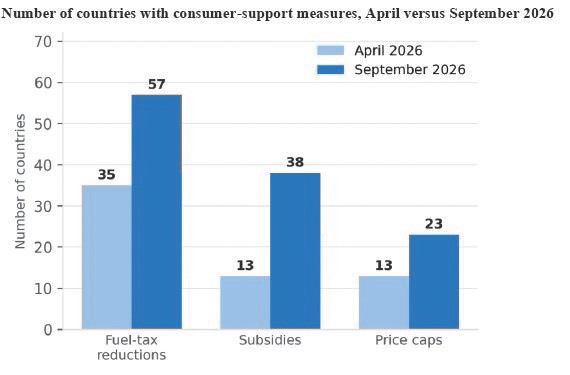
The United Nations Development Programme warns that Malawi and other developing economies face overlapping shocks that are eroding their ability to finance essential services. Rising energy prices, El Niño‑driven food shortages and higher borrowing costs are squeezing already thin fiscal buffers, leaving little room for new spending on health, education or infrastructure. The UNDP report, released ahead of the World Bank and IMF meetings in Bangkok, notes that 26 country offices surveyed in September judge that the worst is still to come, with half of the nations managing the crisis on top of pre‑existing economic stress.
Minister of Finance Joseph Mwanamvekha and Reserve Bank of Malawi Governor George Partridge are attending the talks, where officials will discuss how to restore fiscal resilience. UNDP administrator Alexander De Croo urged the international community to expand access to affordable international financing so that countries can continue to support vulnerable households without cutting development programmes.
Local economist Velli Nyirongo, based in Scotland, said Malawi cannot close its financing gap through domestic means alone. He recommended a mix of stronger tax collection, foreign aid, concessional loans and private‑sector engagement. The IMF has classified Malawi as being in debt distress, citing persistent fiscal and external imbalances, sharp currency depreciation and unsustainable public debt levels. Treasury data show the country’s public debt stock reached K23.9 trillion by December 2025, equivalent to 90.9 percent of gross domestic product, with about two‑thirds held domestically.
Because debt sustainability assessments have weakened, Malawi’s access to concessional lending from the African Development Fund has been curtailed, forcing greater reliance on grants. Business leaders should note that the tightening of external financing raises the cost of capital and may delay expansion projects, while also creating opportunities for firms that can offer innovative financing solutions or help improve tax compliance.
Malawi’s agricultural sector, which employs a large share of the workforce, remains a key area where targeted chimangilizo can boost productivity despite financing constraints. Farmers and agribusinesses that adopt climate‑smart techniques, such as drought‑tolerant seeds and efficient irrigation, can reduce vulnerability to El Niño‑related shocks and improve yields. Similarly, the renewable energy market offers room for small‑scale solar projects that lower reliance on costly diesel generators, cutting operating expenses for manufacturers and service providers. In the services arena, digital payment platforms and mobile banking are expanding access to credit for micro‑entrepreneurs, helping them bridge short‑term gaps while larger firms work on longer‑term financing plans. Government programmes that streamline tax registration and offer incentives for formalisation can increase the tax base, supporting the domestic resource mobilisation urged by experts. By aligning private initiatives with public policy goals, Malawian businesses can create resilient value chains that attract both local and foreign capital, ultimately contributing to broader economic growth.
Entrepreneurs should monitor policy updates from the Ministry of Finance and the Reserve Bank, engage with industry associations to share best practices, and explore partnerships with development agencies that offer technical assistance. Staying informed will help Malawian firms navigate uncertainty and seize emerging opportunities.
What are your thoughts on this business development? Share your insights and remember to follow us on Facebook and Twitter for the latest Malawi business news and opportunities. Visit us daily for comprehensive coverage of Malawi’s business landscape.


- UNDP Pushes for Affordable Capital to Shield Malawi Firms from Economic Shocks - October 14, 2026
- World Bank Highlights Critical Challenges in Malawi’s Debt Negotiations Amid Economic Pressures - October 13, 2026
- Safeguarding Business Profitability: Ecama Warns Against Premature Rate Cuts - October 13, 2026