


Key Business Points
- Formalise informal enterprises: only 4 % of non‑farm businesses are registered, presenting a large pool of potential tax‑paying, credit‑worthy firms.
- Leverage the Integrated Household Survey (IHS6) data to target sectors with high growth and unmet financing needs.
- Strengthen partnerships with micro‑finance institutions and government registries to simplify licensing and improve access to capital.
The sixth Integrated Household Survey (IHS6) for 2024‑2025 reveals that Malawi’s informal economy continues to dominate, with just 4 % of household non‑farm enterprises officially registered. This statistic, released by the National Statistical Office and highlighted in Times Malawi, underscores a crucial gap for policymakers and investors seeking to expand the formal sector.
Why the low registration rate matters
For business owners, operating informally means limited access to formal credit, insurance and government contracts. It also restricts the ability to claim tax deductions and hampers the collection of reliable market data. The contrast between the informal majority and the small formal minority signals a sizable untapped market for banks, micro‑finance providers, and development agencies.
Sectors showing the greatest potential
The IHS6 data points to several industries where informal firms are concentrated:
- Agribusiness – Smallholder growers and local processors dominate rural markets but rarely have formal licences.
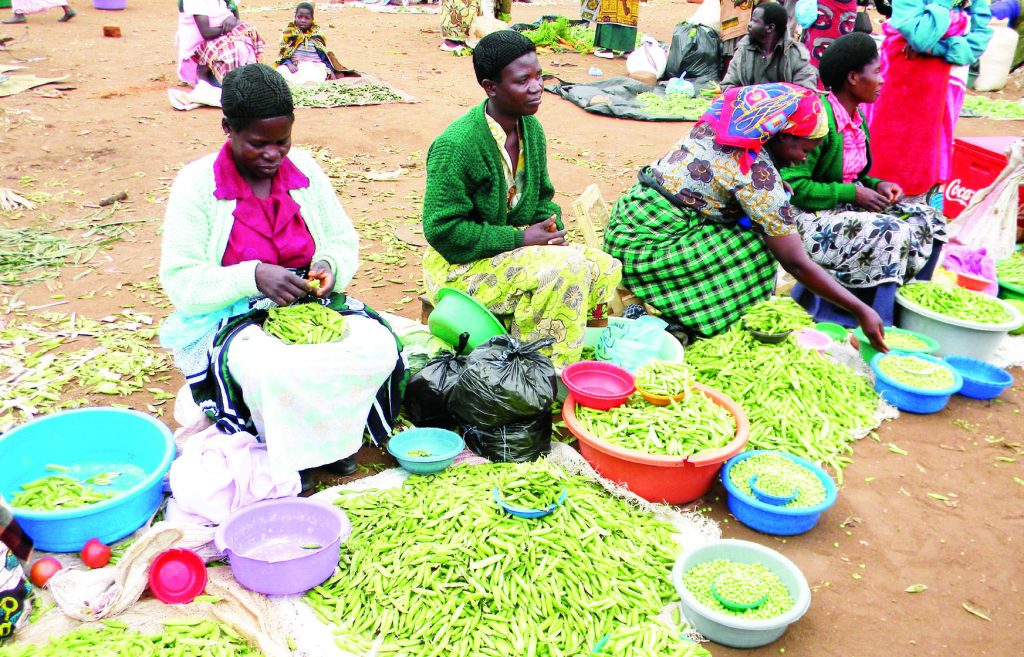
- Retail trade – Street vendors and small shops (madziswana) make up a large share of daily sales in urban centres.
- Construction and masonry – Informal labor crews work on residential projects without formal contracts.
These sectors are ripe for interventions that simplify registration and provide tailored financing solutions. For example, a modest fee reduction for first‑time registrants could incentivise many madziswana owners to join the formal economy.
What entrepreneurs can do now
- Check eligibility for simplified registration – The Companies Act allows a “one‑stop shop” process for businesses with turnover below MWK 10 million.
- Join local business associations – Groups such as the Malawi Chamber of Commerce and Industry (MCCI) often run workshops on formalisation and access to credit.
- Adopt basic digital tools – Even a simple mobile‑based bookkeeping app can demonstrate transparency to banks and government agencies.
Opportunities for investors and financiers
Financial institutions can design micro‑loan products that link disbursement to registration milestones. By partnering with the Registrar of Companies, lenders can verify a borrower’s legal status in real time, reducing risk while encouraging formal growth. International development partners, including the World Bank and AfDB, have expressed interest in supporting “formalisation pilots” that combine training, legal assistance and low‑interest credit.
Government’s role
The Ministry of Industry, Trade and Competition (MITC) recently announced a “Business Registration Week” aimed at cutting processing time from weeks to days. If the initiative delivers on its promise, the cost of entry for informal entrepreneurs could drop dramatically. Additionally, the upcoming budget proposes tax incentives for newly registered firms that create at least five permanent jobs.
Practical next steps for the business community
- Map your supply chain: Identify informal partners and assess the benefits of bringing them into the formal system.
- Engage with local NGOs that specialise in business development; they often provide free advisory services on registration procedures.
- Monitor policy updates through the MITC website and local radio, as new incentives are likely to be announced ahead of the fiscal year.
By turning the informal sector’s size into an advantage, Malawi can broaden its tax base, improve credit availability and stimulate sustainable economic growth. The data from IHS6 offers a clear roadmap: formalise, finance, and grow.
What are your thoughts on this business development? Share your insights and remember to follow us on Facebook and Twitter for the latest Malawi business news and opportunities. Visit us daily for comprehensive coverage of Malawi’s business landscape.


- Malawi’s Industrial Growth Playbook: Learning from Zimbabwe’s Success - September 25, 2026
- Malawi Business Leaders Demand Policy Certainty to Drive Capital Growth - September 25, 2026
- User Safety: safe - September 25, 2026