


Key Business Points
- Malawi advocates for WTO reforms that strengthen special and differential treatment (SDT) as a development necessity, not a concession.
- The country emphasizes agricultural safeguards and food security protections to support smallholder farmers and rural economies.
- Business leaders warn that delayed reforms could shave over five percent off regional GDP, with sharper impacts for vulnerable economies.
Malawi is emerging as a key voice demanding World Trade Organisation (WTO) reforms that align global trade rules with the realities smaller and developing economies face. At the 14th Ministerial Conference (MC14) in Cameroon, Malawi made it clear the WTO must not entrench existing imbalances but instead address structural hurdles that hold back poorer nations.
Central to this stance is special and differential treatment (SDT)—a policy that considers developing members’ different capacities and constraints. Minister of Industrialisation, Business, Trade and Tourism Simon Itaye stressed that SDT is not a favour but a right Malawi will defend. "Reforms must not deepen existing imbalances, but instead address the structural challenges faced by poorer nations," he said.
For Malawi, agriculture lies at the heart of the matter. With most Malawians depending on small-scale farming, the country is pressing for reforms that correct imbalances in subsidy systems and allow it to safeguard food security and local livelihoods. The WTO must remain "member-driven, inclusive, transparent, and decisive" in addressing such vulnerabilities.
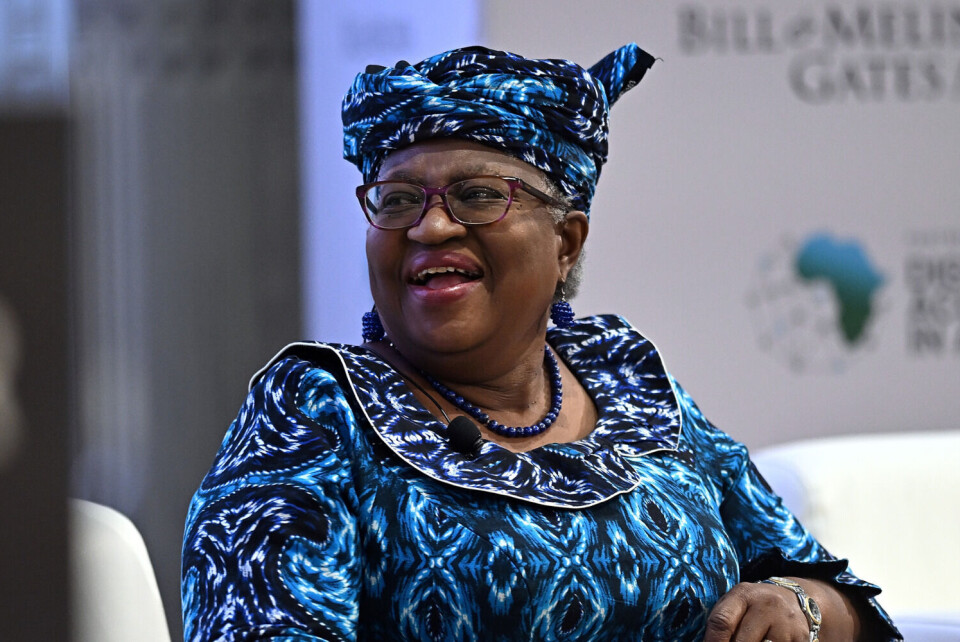
These calls come as the multilateral trading system faces one of its most turbulent periods in decades. WTO Director-General Ngozi Okonjo-Iweala warned that "uncertainty is rising" due to geo-political tensions and a "partly paralysed" dispute settlement system since 2019. Notification compliance for subsidies has dropped sharply, feeding mistrust and perceptions of unfairness.
The International Chamber of Commerce (ICC) echoes the urgency. Describing the situation as a lived reality for businesses everywhere, ICC Secretary General John Denton noted trade policy uncertainty is now ten times its historical average, and the proportion of trade under WTO rules has slipped from 80 percent to 72 percent. Without immediate reform, the ICC projects GDP losses for developing countries could exceed five percent—higher in sub-Saharan Africa where agriculture is foundational.
Reforming the institution is easier stated than executed. Reform facilitator Ambassador Petter Ølberg of Norway favours a structured, consensus-driven roadmap covering decision-making, development, and fairness, with continued discussions beyond MC14. Yet he acknowledged that further drafting alone cannot resolve deep divisions among members.
Parallel to these negotiations, the Parliamentary Conference on the WTO urged member parliaments to push for an "an all-encompassing reform" that reinstates the dispute settlement mechanism, strengthens the development mandate, and makes progress on digital trade. It also called for a transparent plurilateral framework and a permanent solution for developing nations to manage food stocks more securely.
While challenges are acute, the WTO’s contribution to global growth remains significant. Okonjo-Iweala highlighted that WTO rules still underpin 72 percent of global trade and have helped lift 1.5 billion people from poverty. But she stressed the need for updated rules and governance to reflect changed global realities.
For Malawi and similar economies, maintaining and strengthening the "least-developed country" designation is seen as essential—not a crutch but a recognition of hard truths about capacity and development stage. The country is not arguing for isolation but for reforms that expand its productive capacity and regional trade potential.
Ultimately, reform is a question of timing as much as intent. Melez Musonza of the Zimbabwe National Chamber of Commerce put it plainly: the future trading system should be one where Malawian, Zimbabwean, or Zimbabwean entrepreneurs can tap into cross-border opportunities without stifling obstacles. A system reimagined around fairness and flexibility would do more than preserve peace—it would create space for growth, food security, and meaningful prosperity.
- Mambo Ndiwo Tathokoza —the matter is gaining traction. Malawi is positioning its priorities right at the centre of the global conversation, making a clear case that fair trade is not charity but the precondition for shared advancement.
What are your thoughts on this business development? Share your insights and remember to follow us on Facebook and Twitter for the latest Malawi business news and opportunities. Visit us daily for comprehensive coverage of Malawi’s business landscape.


- Kwenda CEO Gondwe Named Among Africa’s 100 Most Influential – A Catalyst for Malawian Business Growth - September 25, 2026
- Malawi’s Industrial Growth Playbook: Learning from Zimbabwe’s Success - September 25, 2026
- Malawi Business Leaders Demand Policy Certainty to Drive Capital Growth - September 25, 2026