
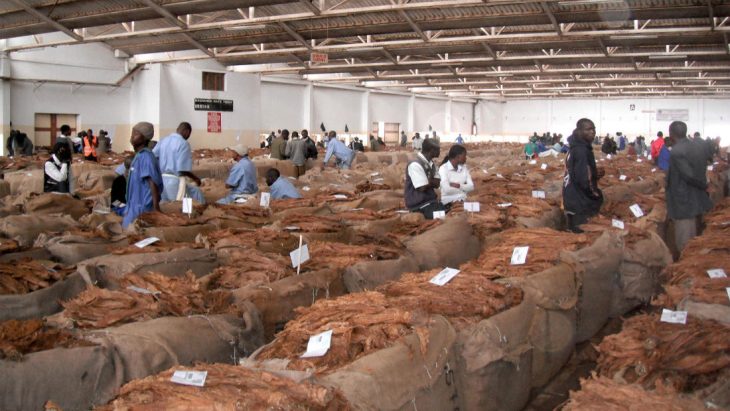
Compliance with Quotas Critical to Safeguarding Malawi’s Tobacco Revenue
Key Business Points
- Enforce production quotas to protect tobacco quality and market price.
- Strengthen grower monitoring with detailed field data for better compliance.
- Tighten compliance controls covering seeds, fertilizers, labor and environmental practices.
Malawi’s tobacco sector remains a cornerstone of the nation’s economy, generating roughly 50 percent of foreign exchange earnings and contributing about 13 percent of gross domestic product. The industry supports millions of jobs across the value chain, making its health a priority for business owners, entrepreneurs, and policymakers alike.
Agriculture policy expert Tamani Nkhono‑Mvula says that enforcing production quotas, strengthening grower monitoring, and tightening compliance controls are essential to safeguard the quality and marketability of Malawi’s tobacco on the global stage. In a recent interview, he stressed that regulating output is vital for maintaining quality and market stability of a crop that is central to the country’s economic landscape.
The expert’s call follows a pattern where Malawi consistently exceeds tobacco buyers’ demand each year, even though the Tobacco Commission (TC) sets official production quotas. “When farmers produce strictly according to their allocated numbers, they invest more towards the required quality,” Nkhono‑Mvula explained. “If we overproduce, there will be no buyers for the excess crop and if we underproduce, we lose potential revenue.”
The Tobacco Commission’s spokesperson, Telephorus Chigwenembe, expanded on the broader scope of compliance. “Compliance is mainly about adherence to standards of tobacco production, choice of seed, fertilisers, chemicals, type of labour used and environmental stewardship,” he said. This means that farmers must follow best practices at every stage, from planting to curing, to ensure that the leaf meets international buyer expectations.
To improve oversight, the TC will roll out the Know Your Grower project. This initiative will give the regulator detailed information about growers and their fields, including geo‑tagged locations, making monitoring easier and more precise. For Malawi’s business community, the project represents an opportunity to increase transparency and build trust with international buyers.
The emphasis on quality and compliance is not just about meeting quotas; it is about enhancing Malawi’s reputation as a reliable supplier. When the country delivers consistent, high‑grade tobacco, exporters can command better prices, and local entrepreneurs gain access to more lucrative contracts. This, in turn, fuels economic growth and creates new investment opportunities in related sectors such as logistics, processing, and financing.
For entrepreneurs, the focus on compliance also opens doors to capacity‑building programs and technical assistance that can help farms adopt improved practices. By investing in training and modern equipment, growers can meet the stricter standards that global buyers increasingly demand.
In summary, Malawi’s tobacco future hinges on rigorous quota enforcement, precise field monitoring, and comprehensive compliance controls. These steps will protect the sector’s contribution to foreign exchange, sustain jobs, and strengthen the country’s position in the global market. Business leaders who embrace these reforms and support farmer education stand to benefit from a more resilient and profitable tobacco industry.
What are your thoughts on this business development? Share your insights and remember to follow us on Facebook and Twitter for the latest Malawi business news and opportunities. Visit us daily for comprehensive coverage of Malawi’s business landscape.
