
Malawi’s Maize Industry at a Crossroads – What It Means for Your Business
Key Business Points
- Solving Malawi’s food insecurity must address more than just farming techniques; it requires fixing the economic systems that shape maize production.
- Maize dominates both farming activity and diets in Malawi, but that dependency masks deeper structural challenges in sustaining livelihoods.
- Policy, market stability, and farmer support play critical roles alongside productivity in achieving lasting food security.
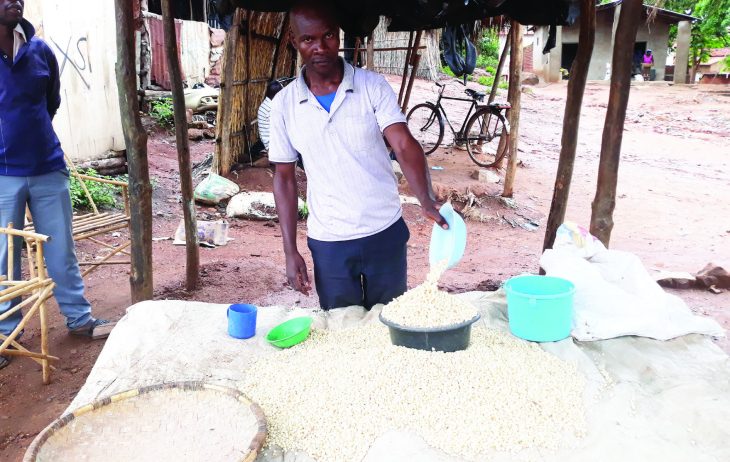
Malawi continues to grapple with persistent food insecurity, not because its farmers lack dedication, but because the economics of maize production are structurally imbalanced. Maize, the main staple in the country, is cultivated by over 90 percent of farmers and provides the majority of households’ calorie intake.
Despite high cultivation rates, production remains unpredictable and yields are often low, leaving many families vulnerable. This points to a core problem: the system puts too much pressure on individual farmers to solve an issue deeply rooted in policy, market access, and resource distribution.
Many of Malawi’s kumunda depend on maize for survival, but erratic rainfall, rising input costs, and weak market linkages restrict their ability to increase production significantly. High fertilizer prices especially strain smallholder budgets, while limited access to credit further limits productivity gains.
Improving food security will require bold investment into irrigation infrastructure, affordable inputs, and viable off-take markets. Strengthening cooperatives can help farmers negotiate better prices and access resources collectively. Integrating modern agricultural technologies and climate-smart techniques could also diversify production and protect farmers from unpredictable shocks.
For businesses, this shifting landscape presents both risks and opportunities. Investors in the agri-tech space may find demand for innovations that help smallholders improve yields efficiently. Those in logistics can benefit from enabling smoother farm-to-market supply chains. Established food processors may also gain by securing steady, diversified sources of supply.
Malawi’s business leaders can play a part by supporting initiatives that build resilience in the agricultural sector — whether by partnering on farmer education, advocating for favorable policies, or stepping up as market anchors for rural produce.
The path to food security is as much about enabling the market to function equitably as about increasing yields per hectare. Addressing these economic imbalances is critical if Malawi is to achieve lasting agricultural progress that lifts up smallholder farmers and creates a more stable environment for investment. Private sector engagement can be a decisive factor in helping to rebalance the equation and secure a more food-secure future for all.
To read more, click times.mw/etimes
What are your thoughts on this business development? Share your insights and remember to follow us on Facebook and Twitter for the latest Malawi business news and opportunities. Visit us daily for comprehensive coverage of Malawi’s business landscape.

- Malawi’s Maize Industry at a Crossroads – What It Means for Your Business - April 11, 2026
- Global Power Plays: How Geopolitics Shapes Malawi’s Inflation and Business Rates - April 11, 2026
- Afreximbank’s Assets Surge to $48.5 Billion: New Growth Opportunities for Malawi’s Entrepreneurs and Investors - April 11, 2026