
Coffee Market Slump: 24% Price Drop Hits Malawi Producers Hard
Key Business Points
- Diversify processing to add value
- Strengthen cooperative aggregation for consistent supply
- Explore new export markets to reduce reliance
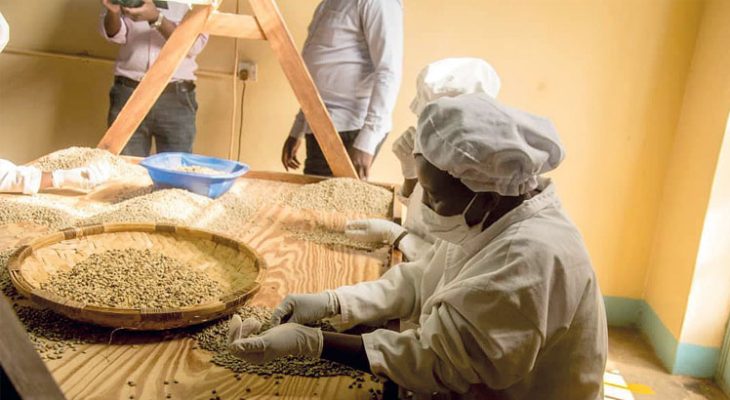
The recent decline in coffee prices by 23.8 percent has placed pressure on Malawian growers to find new revenue streams. Malawi’s coffee sector remains competitive because the country’s processed beans still command higher prices than those from Tanzania and other neighbors. This price advantage creates investment opportunities for processors and exporters who can capitalize on the gap. The government’s fifteen year strategy aims to lift annual export earnings to $240 million, which would significantly boost economic growth and create jobs across the value chain. Local cooperatives such as Phoka Coffee Growers are working to meet production targets despite lower buyer offers, emphasizing the need for better aggregation and quality control. The drop in global prices, driven by increased output in Brazil and Vietnam, also reduces the incentive for cross border smuggling, allowing more coffee to be processed domestically. By focusing on value addition, improving post harvest practices, and expanding market reach, stakeholders can turn the current challenge into a chance for entrepreneurial expansion. The Mphamvu of the industry lies in its ability to adapt and innovate, ensuring that Malawi remains a reliable supplier in the international market. In addition, the government has launched a program to provide low interest loans to coffee cooperatives, enhancing their capacity to invest in processing equipment. This initiative is expected to increase the volume of locally processed beans, which can fetch higher prices on the global market. The Ministry of Agriculture also plans to expand extension services, offering training on best practices in cultivation and pest management. By improving yields and quality, farmers can better negotiate with buyers and reduce their dependence on middlemen. The country’s strategic location near major transport corridors positions it as a hub for regional trade, attracting interest from international buyers seeking reliable sources of specialty coffee. In parallel, the private sector is exploring opportunities to develop niche markets, such as organic and fair trade certifications, which often command premium pricing. These efforts collectively aim to diversify revenue streams and build resilience against price fluctuations. The ongoing reforms and investment incentives signal a commitment to fostering a vibrant coffee industry that supports economic growth and creates employment opportunities across rural communities. Moreover, the emerging trend toward specialty and certified organic coffee presents a significant opportunity for Malawian producers to access premium markets. By investing in quality improvement and obtaining relevant certifications, farmers can increase their income and build brand recognition. The government’s commitment to infrastructure development, including road upgrades and storage facilities, will further reduce post harvest losses and enhance supply chain efficiency. Collaboration between the public sector, private enterprises, and international donors can mobilize funding for research and development, fostering innovation in breeding and pest management. Additionally, the establishment of a national coffee exchange could provide a transparent platform for price discovery, benefiting both buyers and sellers. These initiatives, combined with ongoing policy reforms, are poised to transform the industry, driving sustainable economic development and improving livelihoods across coffee growing communities. Stakeholders must collaborate to create a robust marketing framework that promotes Malawi’s coffee brand, attracts premium buyers, and ensures sustainable income for growers while fostering community development and economic prosperity for the region and people
What are your thoughts on this business development? Share your insights and remember to follow us on Facebook and Twitter for the latest Malawi business news and opportunities. Visit us daily for comprehensive coverage of Malawi’s business landscape.

Latest posts by Vanessa Banda (see all)
- IPMM Demands HR Bill Passage to Stabilize Malawi’s Labour Landscape - October 23, 2026
- MDC Overhaul Gains Momentum, Signaling New Investment Era - October 23, 2026
- Navigating the Wage Decision: What Malawi’s Minimum Wage Review Means for Your Business - October 23, 2026