
Economists Urge Prompt ECF Agreement to Drive Malawi’s Business Expansion
Key Business Points
- Monitor IMF talks and align cash flow planning with potential programme conditions.
- Strengthen fiscal buffers by improving revenue collection and controlling expenditure.
- Engage early with lenders to secure financing lines before programme approval.
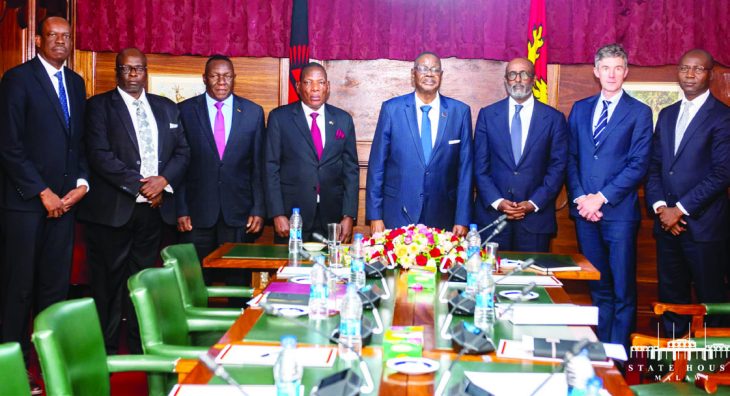
The International Monetary Fund has sent a mission team to Malawi for policy negotiations on a possible Extended Credit Facility programme. Economists have urged the government to put in place measures that can enable the country to complete the next ECF arrangement. The programme is designed to support macro economic stability, provide budget support, and unlock additional financing from development partners.
For local malonda the talks matter because any agreement usually comes with conditions on revenue mobilisation, public spending, and exchange rate management. A successful ECF could ease pressure on the kwacha, lower borrowing costs, and create a more predictable environment for investment. Conversely, delays or a breakdown in negotiations could prolong foreign exchange shortages and keep interest rates high.
Inflation has hovered above 20 percent, the kwacha has lost more than 30 percent against the dollar since last year, and foreign reserves cover less than two months of imports. Malawi completed an ECF in 2018 that helped stabilise the exchange rate and restore donor confidence, but the programme ended before structural reforms were fully implemented. Typical IMF conditionality includes revenue raising measures such as broadening the tax base, improving customs administration, and reducing energy subsidies.
The Malawi Confederation of Chambers of Commerce and Industry has called for a transparent consultation process so that malonda can shape reforms that affect licensing, labour rules, and access to finance. If the new ECF unlocks concessional financing, agribusinesses could secure affordable credit for irrigation and storage, while manufacturers may benefit from lower import duties on raw materials.
Firms should update their financial models, engage with the Ministry of Trade on upcoming regulatory changes, and explore partnerships with development finance institutions that often co finance projects under an ECF. Business leaders can also leverage the IMF’s technical assistance window to build capacity in financial reporting and risk management, which are increasingly demanded by international investors. By adopting internationally recognised accounting standards early, malonda improve credibility and unlock new export markets.
The Reserve Bank has signaled it will keep the policy rate steady while the negotiations progress, giving firms a short window to lock in existing borrowing costs.
What are your thoughts on this business development? Share your insights and remember to follow us on Facebook and Twitter for the latest Malawi business news and opportunities. Visit us daily for comprehensive coverage of Malawi’s business landscape.

- Economists Urge Prompt ECF Agreement to Drive Malawi’s Business Expansion - September 22, 2026
- Malawian Economists Urge Mutharika to Reassess Esoma Act’s Business Impact - September 22, 2026
- EDF Drives Gold Market Expansion Across New Districts - September 22, 2026