
Hemp Hype Evaporates: What Malawi Agribusiness Investors Must Know
Key Business Points
- Accelerate value added processing of industrial hemp to raise export earnings.
- Provide credit lines for smallholder farmers to support cultivation.
- Update regulatory standards to meet international market requirements.
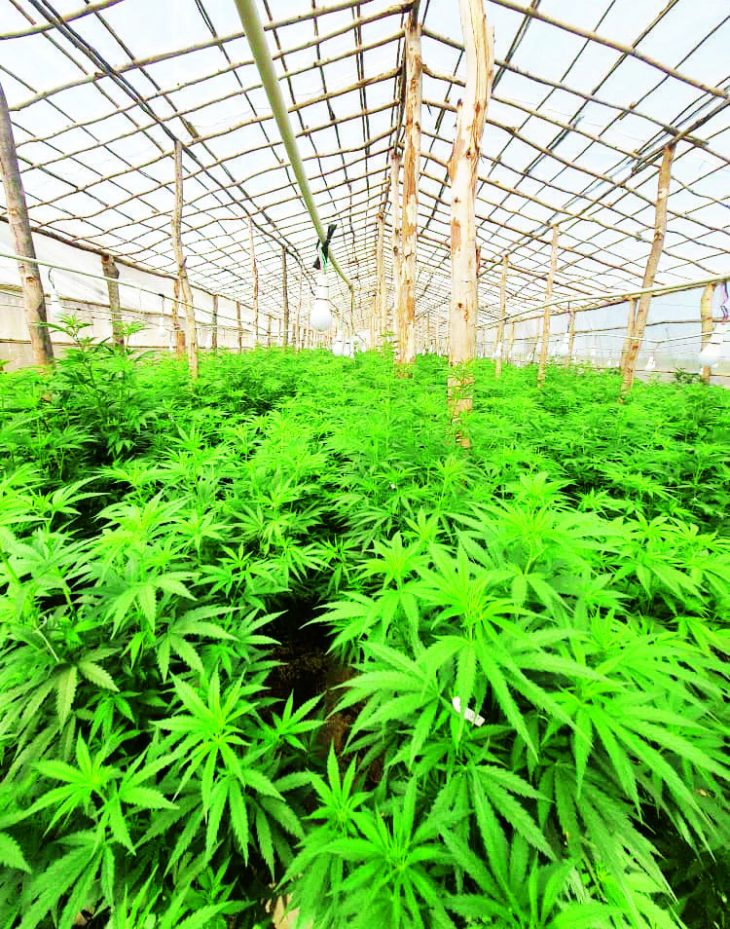
Malawi’s plan to earn about $700 million from industrial and medicinal hemp remains uncertain six years after the crop was legalised. More than 7,000 smallholders have shown interest, but the sector has yet to contribute to foreign exchange earnings. This gap threatens economic growth and limits investment in the hemp industry.
The Cannabis Regulatory Authority has not released data on exports or revenue, leaving stakeholders without clear performance metrics. Without transparency, local entrepreneurs cannot assess risk or plan long term strategies.
Access to financing is a major barrier for smallholder growers. Many rely on high‑interest informal credit, reducing potential profits. The Ministry of Agriculture has promised a blended credit scheme, but progress is slow. Fast tracking this initiative could unlock capital and create employment in rural areas.
A second challenge is the lack of value added processing. Raw fiber is exported at low prices, while processed goods such as CBD extracts and bioplastics fetch higher margins. Building processing plants would boost export earnings, generate jobs, and encourage technological innovation. The Malawi Investment and Trade Centre has identified suitable sites, and foreign investors are interested once policy is clear.
The regulatory environment must align with international standards. Importers often require certifications for quality, safety, and sustainability. The authority is reviewing guidelines, but bureaucratic delays persist. Streamlining certification would open access to markets in Europe and North America.
Market development is also essential. The mzuzu for hemp‑based products is expanding worldwide, driven by demand for eco‑friendly materials and medicinal compounds. Malawi’s boma can promote local brands at international trade fairs, giving entrepreneurs networking opportunities and consumer insights.
Stakeholders recommend a coordinated approach. First, the government should create a special purpose vehicle to guide research and market intelligence. Second, private sector firms must work with academic institutions to develop best practices. Third, international partners can provide technical assistance if Malawi shows a clear investment pipeline.
Industrial hemp could become a pillar of the economy, delivering foreign exchange, employment, and regional competitiveness. Addressing financing, processing, and regulation will turn the sector into a driver of economic progress.
Opportunities for expansion include the production of biodegradable plastics that can replace imported alternatives and improve the trade balance. The government could introduce tax incentives for firms that invest in renewable energy powered processing plants, lowering operational costs. Collaboration between research institutions and local universities may enhance crop yield and pest resistance, contributing to food security. Implementing digital platforms would allow smallholders to access real time market prices and logistics services, increasing transparency. The private sector might develop cold storage facilities to preserve hemp products, extending shelf life and broadening export possibilities. International donors could fund capacity building programs that train entrepreneurs in business planning and financial management. These efforts would foster a robust ecosystem that supports inclusive growth and sustainable development while attracting foreign investment and creating jobs.
The government should establish a comprehensive policy framework that includes tax incentives, research funding, and infrastructure support, while encouraging private sector participation, to ensure the hemp industry becomes a driver of economic growth and promoting environmental stewardship for future generations in the region today
What are your thoughts on this business development? Share your insights and remember to follow us on Facebook and Twitter for the latest Malawi business news and opportunities. Visit us daily for comprehensive coverage of Malawi’s business landscape.

- Malawi’s Fragile Recovery: Business Risks and Opportunities - October 25, 2026
- Streamlining Trade: Malawi & Mozambique Cut Border Delays for Business Growth - October 24, 2026
- Maize Prices Edge Up in September: Market Analysis for Malawi Investors - October 24, 2026