
Malawi Businesses Set to Gain from K3.4 Trillion Economic Stimulus
Key Business Points
- Rural Development and Agriculture Opportunities: Over K1.2 trillion allocated to rural programs, including fertiliser subsidies and irrigation, creates demand for local suppliers and contractors.
- Infrastructure as a Growth Driver: Funding for roads, energy, and water systems opens doors for private-sector partnerships and long-term investment in real estate and logistics.
- Shift to Production-Led Growth: Government priorities emphasize boosting exports and productivity, encouraging businesses to diversify beyond domestic markets and explore value-added industries.
The Malawian economy is poised for a significant public spending boost in the 2026/27 financial year, with a total of K10.9 trillion, of which K3.4 trillion targets areas directly impacting households and businesses. This allocation reflects an effort to stabilize the economy while addressing systemic challenges in social protection and poverty. For businesses, understanding these priorities is critical to capitalizing on infrastructure projects, agricultural reform, and evolving market dynamics.
Rural Development and Agriculture: A Hub for Local Enterprise
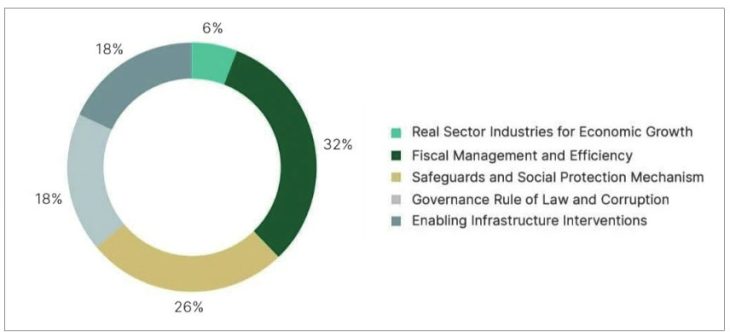
The largest portion of the budget—32 percent—focuses on rural development, primarily through the Malawi Social Support for Resilient Livelihoods Programme (K1.146 trillion). Agriculture and water-related projects account for another K953.4 billion, with specific allocations for fertiliser subsidies (K111 billion), irrigation (K120 billion), and water sanitation (K302 billion). Businesses in agro-processing, equipment supply, and construction could benefit directly from these initiatives. Entrepreneurs are advised to explore partnerships with government agencies to provide inputs like seeds, machinery, or transportation services. The creation of mega farms (K28.4 billion) may also spur demand for agri-tech solutions and rural retail opportunities.
Infrastructure Investments as a Catalyst for Growth
With 18.1 percent of the budget earmarked for "enabling infrastructure," there is potential for businesses to engage in roads, energy grids, and water systems. These projects align with the government’s goal to improve connectivity and reduce production costs for industries. Companies in construction, engineering, and materials supply are well-positioned to bid for contracts. Additionally, improved infrastructure could attract foreign investment by signaling a stable business environment.
Social Protection: Challenges and Opportunities
While the budget allocates K337.2 billion to education and K58 billion to free primary education, critics highlight that Malawi’s social protection system remains underfunded (0.9 percent of GDP) and donor-dependent. This presents an opportunity for businesses to innovate in education services, vocational training, or affordable school supplies. Economist Velli Nyirongo emphasizes the need to shift from "kumayikira" (consumption) to investments that build long-term wealth. Entrepreneurs might consider microfinance, savings clubs, or agri-value chains to empower smallholder farmers and reduce reliance on handouts.
A Call for Production-Led Growth
The government aims to transition from consumption-focused spending to production-driven growth, which means prioritizing sectors with export potential. Businesses should explore niches in manufacturing, tourism, or renewable energy to align with this strategy. The 5.8 percent allocation for "real sector industries" suggests incentives for manufacturing hubs or technology parks, which could attract multinational firms and create jobs.
Malawi’s economy is at a critical juncture, with public spending signaling both risk and opportunity. Businesses that adapt to infrastructure needs, agricultural modernization, and production focus stand to thrive. By monitoring policy shifts and engaging with government initiatives, entrepreneurs can navigate this transition and contribute to sustainable economic resilience.
What are your thoughts on this business development? Share your insights and remember to follow us on Facebook and Twitter for the latest Malawi business news and opportunities. Visit us daily for comprehensive coverage of Malawi’s business landscape.

- Malawi Businesses Set to Gain from K3.4 Trillion Economic Stimulus - September 23, 2026
- PPPC Courts Investors, Pushes for Partnerships – The Times Group - September 23, 2026
- FCB to Fuel Growth in Malawi’s Mining Sector - September 23, 2026