
Malawi’s Grant Driven Economic Crisis
Key Business Points
- Tightened access to development financing: Malawi now relies entirely on grants due to debt distress and weak macroeconomic conditions, limiting strategic investments in critical sectors.
- Risk of stalled public sector projects: Cuts to the African Development Fund (ADF) threaten infrastructure, climate resilience, and regional trade initiatives vital for economic growth.
- **Governance challenges: Dalitso Kubalasa highlights poor funding utilization as a core issue, stating that inefficiencies and lack of accountability risk perpetuating dependency.
Malawi’s Economic Challenges Amidst Development Funding Cuts
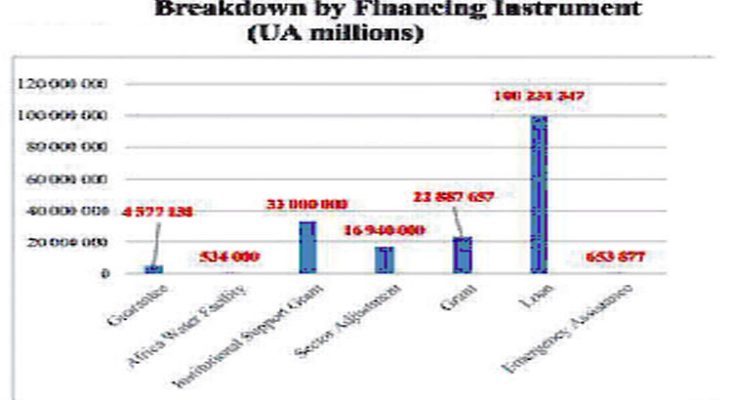
MALAWI’S access to critical development financing is tightening, leaving the nation stranded in a cycle of donor dependency and systemic inefficiencies. According to the African Development Bank (AfDB), the country has transitioned from a status eligible for both concessional loans and grants to receiving only grants due to deteriorating macroeconomic conditions and unsustainable debt levels. This shift, detailed in AfDB’s operational performance assessment, signals a broader crisis for Malawi’s economic resilience and growth prospects.
Debt Distress Undermines Confidence
The International Monetary Fund (IMF) has officially declared Malawi in debt distress, citing persistent fiscal imbalances, currency depreciation, and unsustainable public debt. These factors have directly impacted the country’s debt sustainability assessment ratings, tightening eligibility for concessional lending under the ADF. By March 2025, Malawi’s public debt stood at K23.9 trillion (90.9% of GDP), with 65% sourced locally. Treasury projections indicate interest payments alone are set to rise by 22.9% in the 2026/2027 fiscal year, exacerbating financial strain.
Infrastructure and Economic Growth at Risk
The funding cuts are likely to stall infrastructure projects essential for economic transformation. Malawi-based economist Velli Nyirongo warns that ADF reductions undermine strategic investments in transport corridors, regional trade facilitation, and climate-smart agriculture. These initiatives are critical for lowering the cost of doing business, enhancing regional connectivity, and attracting trade—a takeaway that resonates with Malawi’s industrial and export aspirations. “These projects are not merely construction programs. They are catalysts for economic activity,” Nyirongo emphasized, aligning with global trends where infrastructure drives competitiveness.
Governance and Accountability Lag Mbezele Kati
Public finance expert Dalitso Kubalasa underscored that ADF cuts reflect poor governance rather than isolated fiscal mismanagement. With 80% donor dependency, Malawi risks losing “voice” in development priorities, as funds are delayed or mismanaged. Kubalasa described this as a loss of strategic autonomy: “Self-reliance is being replaced by a cycle of short-term fixes that evade accountability.” Similar sentiments were echoed by iMilward Tobias, a presidential candidate who linked funding losses to weak implementation capacity. “Donor funds are not just grants—they’re lifelines for economic diversification and foreign exchange.”
Pathways to Renewed Resilience Mulamade Chichewa
For businesses, civil society, and policymakers, Malawi’s crisis underscores the urgency of reforming financial governance. Alphons Mukoma, a sector-specific observer, urged pragmatic solutions: “We must demand transparency in donor fund allocation and prioritize projects that address immediate needs like cross-border trade infrastructure and drought-resistant crops.” Such measures could unlock local demand, reduce costs for agriculture, and foster regional integration—a domino effect critical for sustainable growth.
Investment Opportunities in Adversity
While donor reliance limits state capacity, private sector innovation remains a lifeline. Entrepreneurs can capitalize on gaps in the supply chain by investing in climate-smart agriculture, logistics, or renewable energy. For instance, low-access solar irrigation technologies could mitigate crop losses, while digital platforms tailored to Malawi’s informal economy might address credit and equity gaps. These ventures align with global sustainability trends, attracting environmentally conscious investors.
The Road Ahead
Malawi’s path to stability demands a dual approach: confronting chronic inefficiencies in public financial management while leveraging private-sector agility to fill gaps. To ndalufuko mwalambwa (stability), stakeholders must advocate for reforms that improve donor fund accountability and incentivize local innovation. For now, businesses must navigate a precarious terrain—but opportunity, though limited, persists for those who align with emerging needs and global sustainability goals.
What are your thoughts on this business development? Share your insights and remember to follow us on Facebook and Twitter for the latest Malawi business news and opportunities. Visit us daily for comprehensive coverage of Malawi’s business landscape.

- Malawi Debt Restructuring Paves Path for Business Growth - September 20, 2026
- Mwapata Institute Maps Profitable Pathways in Malawi’s Soybean Value Chain - September 20, 2026
- TNM Introduces Tailored Packages to Elevate Malawi Business Performance - September 20, 2026