
Reserve Bank Drives Economic Boost with Single Digit Inflation Target
Key Business Points
– Inflation in Malawi projected to decline sharply to five percent by 2028 if fiscal discipline is maintained across government spending and borrowing
– Current elevated inflation is driven by temporary supply-side shocks, particularly from fuel and electricity price hikes, not by excessive demand
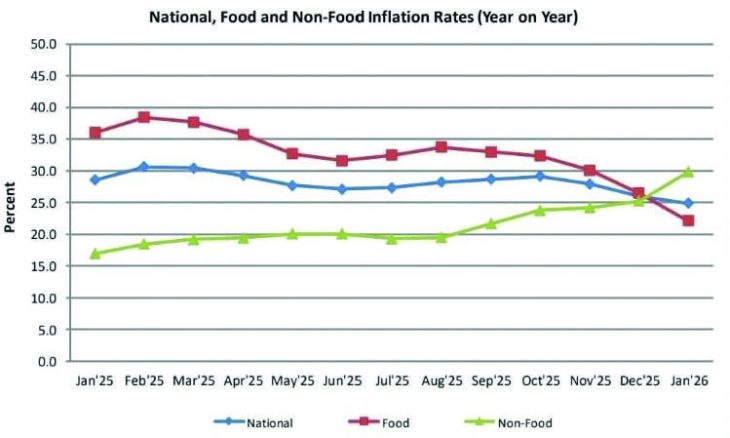
– Malawi’s economy is showing signs of improving stability with the November inflation rate easing to 24.9 percent from 27.7 percent in the previous quarter
The Reserve Bank of Malawi’s latest outlook points to a gradual stabilization of prices, a critical development for businesses and consumers alike. Governor George Partridge has stated that inflation is likely to reach the medium-term target of five percent by 2028, provided fiscal prudence remains intact. He emphasized that supply-side disruptions—such as increases in electricity tariffs and fuel prices—are the source of current inflationary pressures, not strong consumer demand. This distinction matters for business planning because temporary cost increases can be managed more strategically than broad-based demand inflation, which would require aggressive policy tightening.
Patridge described recent spikes in non-food inflation as “blips,” attributing them to short-term supply shocks that will fade as new price levels settle. He expects inflation to ease further once these transitional costs pass through the economy and as the government continues to maintain fiscal discipline. The bank’s Monetary Policy Committee’s decision last week to lower the policy rate to 24 percent aligns with this measured approach, aimed at supporting economic activity while guarding against persistent inflation.
Earlier data support this optimism—headline inflation eased slightly to 24.9 percent in November from 27.7 percent in the preceding quarter. While still elevated, the rate is trending down, reflecting tighter monetary policy and improved food supply conditions.
Economic analysts share the cautiously optimistic outlook. Bertha Chikadza, president of the Economics Association of Malawi, believes the five percent inflation target could be achieved sooner than 2028, possibly within two years, if complementary fiscal policies and stronger import management sustain stable prices. Chikadza emphasized that success hinges on containing food inflation, ensuring foreign exchange liquidity, and reducing domestic borrowing pressure—all factors that directly influence operating costs for businesses across industries.
For Malawi’s business community, this anticipated slowdown in inflation could translate into more predictable costs for supplies, transportation, and utilities, enabling steadier pricing, investment, and hiring decisions. Yet the risks remain tied to fiscal discipline—should the government revert to expansive borrowing or abandon spending controls, price stability could be undermined. Local enterprises should watch closely for energy and import price developments, as these will be key barometers of inflation’s trajectory. By maintaining focus on economic reforms and cost containment, Malawi’s business environment could see renewed momentum toward stable and low-inflation growth.
What are your thoughts on this business development? Share your insights and remember to follow us on Facebook and Twitter for the latest Malawi business news and opportunities. Visit us daily for comprehensive coverage of Malawi’s business landscape.

- PCL & Government Press On $55.1M Power Project – Malawi’s Next Business Opportunity - September 25, 2026
- Kwenda CEO Gondwe Named Among Africa’s 100 Most Influential – A Catalyst for Malawian Business Growth - September 25, 2026
- Malawi’s Industrial Growth Playbook: Learning from Zimbabwe’s Success - September 25, 2026