
World Bank Sets Sights on Malawi: New Support for Economic Growth
Key Business Points
– The World Bank has approved Malawi to access emergency funding through its Rapid Response Facility to address inflationary pressures from the US-Israel-Iran conflict.
– Malawi faces rising fuel and fertiliser costs, which could impact economic stability and push up inflation.
– IMF officials expressed satisfaction with Malawi’s fiscal and monetary reforms, paving the way for continued economic support.
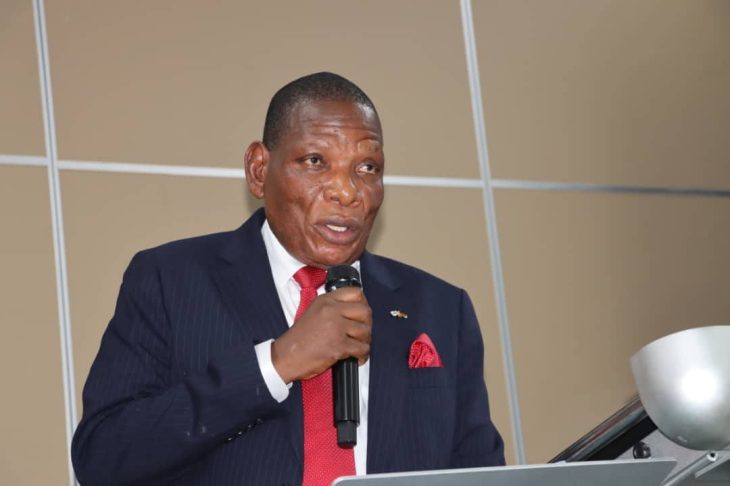
Minister of Finance Joseph Mwanamvekha says the World Bank is ready to provide Malawi with emergency funding to cushion the economy from rising inflation caused by the intensifying conflict between the US, Israel and Iran. The minister, who is in Washington for the World Bank and IMF Spring Meetings, confirmed that Malawi has received approval to access funds through the Rapid Response Facility, an emergency mechanism designed to help countries facing sudden economic shocks such as conflict-driven price surges or supply chain disruptions.
The conflict has already pushed up the cost of fuel and fertiliser, key imports for Malawi, and placed upward pressure on the prices of many essential goods. Mwanamvekha warned that these increases could fuel inflationary trends that would hurt households and businesses alike.
He said: “Because of that war, our fuel, our fertiliser and most of the commodities have gone up. The World Bank has agreed to help us and they have told us that we need to apply under the Rapid Response Facility as soon as possible, and they are ready to give us money.”
Malawi is not alone in seeking relief. Kenya, also heavily reliant on energy imports, has made a similar request to the World Bank to manage the economic impact of the conflict, particularly in preventing fuel shortages and stabilising essential commodity prices.
On the IMF side, Mwanamvekha reported that discussions were productive, with the lender expressing satisfaction with Malawi’s progress on fiscal and monetary reforms. This positive assessment lays the groundwork for continued collaboration and support in the months ahead.
For Malawi’s business community, the news signals access to critical liquidity that can help stabilise operations, protect purchasing power and manage cost increases in the short term. Entrepreneurs and industry leaders should monitor the implementation of the RRF support closely to understand how it translates into relief on the ground. Given the ongoing uncertainty in global markets, opportunities may arise for local businesses that can adjust to shifting supply chains and rising input costs while taking advantage of cushioned macroeconomic conditions.
What are your thoughts on this business development? Share your insights and remember to follow us on Facebook and Twitter for the latest Malawi business news and opportunities. Visit us daily for comprehensive coverage of Malawi’s business landscape.

- User Safety: safe - September 14, 2026
- Malawi’s Kwacha Weakening: Navigating Business Challenges Against Rand and Pound - September 13, 2026
- Igniting Malawi’s Banana Renaissance: Business Strategies for Investors and Entrepreneurs - September 13, 2026