
Seize the Opportunity: Malawi’s Economic Shift Presents a New Growth Frontier
Key Business Points
- Review pricing and payment terms for city customers, because ultra-poverty in urban areas has doubled and disposable income is shrinking.
- Focus on affordable products and services that meet the needs of low-income urban households and small entrepreneurs.
- Track NSO reports and local economic data to guide decisions on stock, hiring, and growth across Malawi.
By Kingsley Jassi
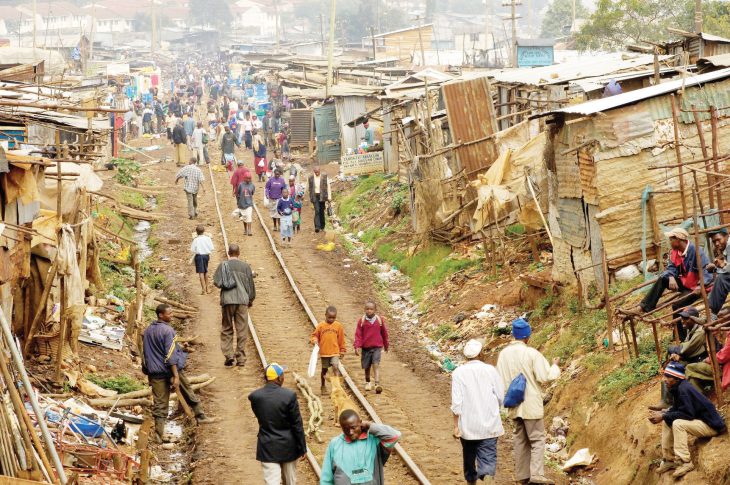
Malawi’s latest poverty report shows a mixed picture for the country’s business community. The National Statistical Office released its Poverty and Inequality Report recently, revealing that the national headcount poverty rate fell from 50.7 percent to 47.3 percent. However, conditions in urban areas are worsening, with the ultra-poverty rate more than doubling from 3.3 percent to 8.1 percent between 2020 and 2025.
For Malawi’s business sector, these numbers signal both caution and opportunity. While overall poverty is declining, the sharp rise in urban hardship means many city residents have less money to spend on goods and services. Shop owners, traders, and service providers in Lilongwe, Blantyre, and other towns should expect tighter household budgets and shifting demand patterns.
Local entrepreneurs must pay close attention to economic growth trends in towns and cities. The data suggests that people are cutting back on non-essential items and prioritizing basics such as food, transport, and school fees. Businesses that offer investment opportunities in affordable housing, low-cost retail, and accessible credit may find a ready market among urban consumers.
Wholesalers and suppliers should also adjust their strategies. As urban customers buy smaller quantities more frequently, stocking small pack sizes and offering flexible credit can help maintain sales volume. This approach supports local entrepreneurs who operate small shops and kiosks in densely populated areas.
Chichewa-speaking customers often respond well to value-driven messaging. Using terms such as zokwanira (business) and malunda (businesses) in marketing can build trust and show respect for local culture. Small malunda that adjust their mtengo (price) structures to match customer budgets are more likely to retain loyal buyers during tough times.
The NSO findings also point to a need for better financial inclusion. Many urban households facing ultra-poverty lack access to formal savings and loan services. This gap affects everything from school fees to grocery shopping. Fintech providers, microfinance institutions, and savings groups have a chance to expand their reach by offering simple, low-cost products tailored to city dwellers.
Policy makers and development partners are likely to use this report to shape new programs. Business owners should engage with chambers of commerce and local authorities to advocate for infrastructure improvements, reliable power, and better market access in urban centers.
For those planning to start or grow a venture, the message is clear: understand your customer’s financial reality before making big commitments. Conduct informal market visits, talk to vendors at busy trading centers, and observe which products move quickly at lower price points.
Youth employment is another factor to watch. With more families under financial pressure, young people may seek informal work or apprenticeships. Businesses that provide on-the-job training and fair wages can build a stable workforce while supporting community development.
The national decline in poverty offers hope, but the urban trend demands swift action. Local entrepreneurs who adapt their models, keep costs manageable, and serve the immediate needs of city communities will be better positioned to thrive as Malawi’s economy evolves.
What are your thoughts on this business development? Share your insights and remember to follow us on Facebook and Twitter for the latest Malawi business news and opportunities. Visit us daily for comprehensive coverage of Malawi’s business landscape.
