
User Safety: safe
Key Business Points
- Pension funds holding K8.4 trillion in assets require urgent deployment into local, bankable projects to drive economic growth and reduce reliance on foreign markets.
- Domestic investment gaps in sectors like agriculture, manufacturing, and infrastructure offer lucrative opportunities for businesses seeking to attract pension capital.
- Policy and infrastructure reforms are critical to unlock private-sector participation and ensure Malawi’s pension funds generate sustainable returns.
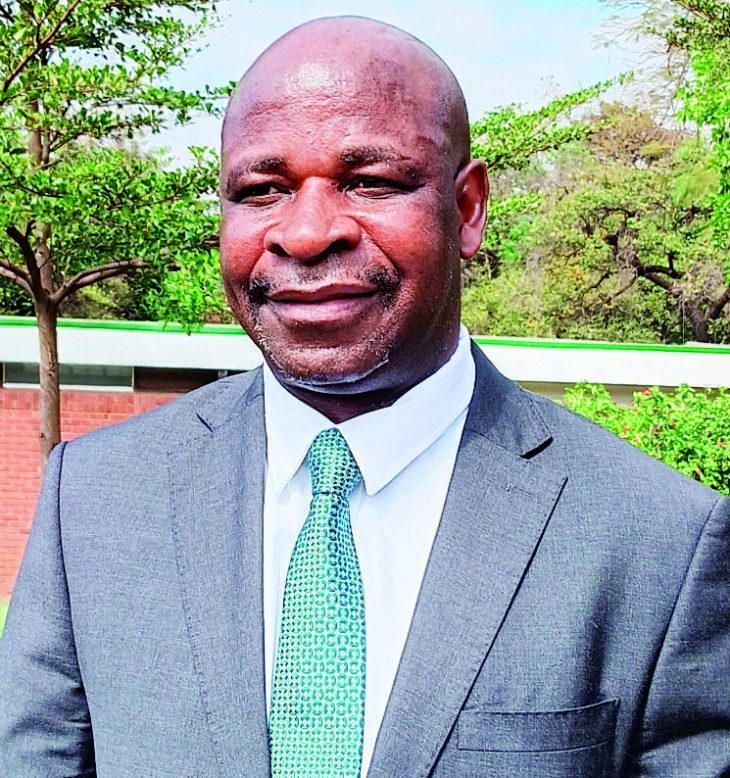
“The pension industry is not asking for heroics,” insists Gerald Ndenga, CEO of Malawi Retirement Services. “We are seeking bankable opportunities—ones that can thrive without external market volatility. Malawi’s resources, if harnessed through collaboration with government and businesses, could transform our economy.”
The Malawi Pension Regulatory Authority (MPRA) reports that pension assets grew 52% between 2020 and 2023, reaching K8.4 trillion—a record high. However, the sector faces a double bind: global benchmark requirements have pushed managers deeper into risky foreign securities and forex-linked products, sidelining domestic investments. With nearly half of pension assets now tied to international markets, regulators and reformers urge urgent action to repatriate capital into Malawi’s soil.
The regulator points out that K4.2 trillion in pensions remains idle overseas, despite a clear appetite to support local projects. This stagnation comes as remote rural communities continue to lack basic infrastructure, and industries employ fewer than 2 million local laborers. Dr Steven Mumba, MPRA’s chief economist, stresses: “We need industries that can absorb these funds. Imagine the multiplier effect if 10% of that K4.2 trillion—K420 billion—was allocated to value-chain industries like tobacco, horticulture, or agro-processing.”
But challenges persist. Malawi’s spices, for instance, are iconic globally, yet domestic producers have struggled to modernize since the 1980s. “They sell cigarette boxes to Asia instead of growing their own,” admits Mumba. Forward-thinking cooperatives are pushing back. In Lilongwe, 200 smallholder farmer groups recently secured a $15 million grant to build climate-resilient greenhouses, a project now seeking pension fund co-investment. “This model shows how pensions can stabilize rural economies,” notes the Farmers’ Union president, pushing for policy changes to prioritize such partnerships.
The import substitution agenda is another area ripe for growth. Analysts project that shifting $500 million in annual food imports to locally sourced markets could create 50,000 jobs. For small and medium enterprises (SMEs), this means competitive contracts with pension-backed infrastructure projects. However, the current fragmented regulatory framework and high taxes stifle innovation. Dr. Evelyn Chisale, an economic policy expert, notes, “Streamlining procurement laws and offering tax holidays for pension-funded ventures would unlock dormant capital.”
International partners are watching closely. A World Bank report recommends Malawi anchor pension fund growth to investment in SMEs, cooperatives, and green energy. Similar success stories from Rwanda and Kenya highlight how small-scale producers can attract pension money through verified ESG (Environmental, Social, and Governance) frameworks. Malawi’s tea and coffee exporters have begun piloting blockchain-enabled traceability systems, a move critical for attracting ESG-compliant investors.
Yet, the lack of a centralized platform connecting pension funds to entrepreneurs remains a barrier. “We need a digital hub where investors can vet projects within 24 hours,” argues Ndenga. This gap has prompted informal initiatives like the Malawi Investment Sovereign Fund, a private-sector coalition pooling K1 billion last year to de-risk agriculture loans for co-operatives.
Meanwhile, the government’s recent Malawi Industrial Development Corporation (MIDC) revival—aimed at modernizing factories in Blantyre and Mzuzu—has drawn investor interest. Contracts for a $40 million textile crowd-sourcing plant and a 10 MW solar farm in Rumphi Province are finalizing, both earmarked to leverage pension fund reserves.
The path forward is clear: businesses must collaborate with pension managers, emphasize transparency, and align with global ESG standards to tap this K8.4 trillion reservoir. For Malawi, the stakes are high. With over 60% of citizens under 25, unlocking pension capital isn’t just about returns—it’s about building an intergenerational economy. As Ndenga urges, “The pension kettle is boiling; all we need are pots to pour it into.”
What are your thoughts on this business development? Share your insights and remember to follow us on Facebook and Twitter for the latest Malawi business news and opportunities. Visit us daily for comprehensive coverage of Malawi’s business landscape.

- User Safety: safe - July 14, 2026
- Rising Data Costs Threaten Malawi’s Business Growth and Investment Stability - July 14, 2026
- Treasury eases borrowing rules for local businesses – The Times Group - July 14, 2026