
8% Maize Price Surge: Fresh Business Outlook
Key Business Points
- Maize price rebound – Prices rose 8 % in July to K791 per kilogram, still below last year’s peak but expected to climb toward K1,270 per kilogram in late 2026, creating pressure on household budgets and retail margins.
- Government investment push – The 2026/27 budget set aside K100 billion for the National Food Reserve Agency and K60 billion for ADMARC to purchase grain and expand storage, a move designed to stabilize market supply and protect businesses that rely on affordable feedstock.
- Long‑term structural actions – Experts highlight the need for irrigation, climate‑resilient practices, modern silos and warehouse receipt systems to cut post‑harvest loss and smooth seasonal price swings, offering new opportunities for local entrepreneurs and investors.
Malawi’s maize market is at a critical crossroads, according to the latest International Food Policy Research Institute (IFPRI) report. The staple grain’s price climbed to K791 per kilogram in July, up from K731 per kilogram in June, a rise of eight percent. While this level remains far below the K1,169 per kilogram recorded a year earlier, analysts warn that the upward trend is set to accelerate.
The IFPRI analysis notes that continued imports have helped keep domestic prices from spiraling, but the import parity prices are still lower than local rates, acting as a natural ceiling for retail costs. However, the July Food Security Monitor from the Alliance for a Green Revolution (Agra) forecasts a sharp increase to about K1,270 per kilogram between October 2026 and March 2027, driven by higher fertilizer and seed costs, fuel‑related transport expenses, kwacha depreciation, and the looming El Niño weather pattern.
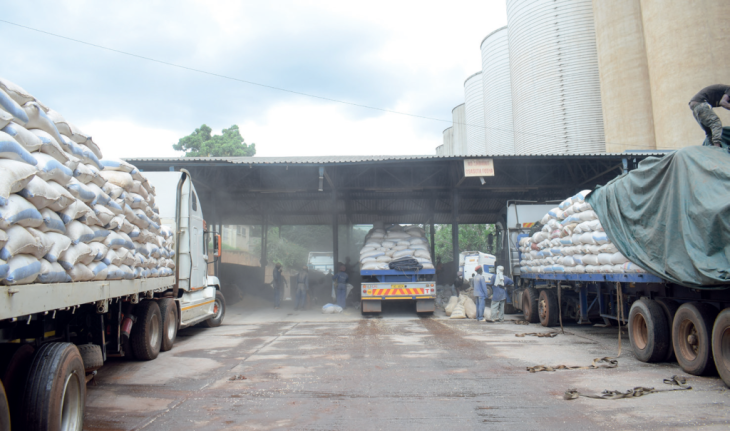
Agnes Nyirongo, economic governance programme officer at the Centre for Social Concern, described the recent price dip as temporary. She urged a shift away from rain‑fed agriculture toward irrigation and climate‑resilient farming. Nyirongo stressed that expanding storage infrastructure—modern silos and warehouse receipt systems—would cut post‑harvest losses and reduce the seasonal volatility that hits both consumers and small‑scale traders.
Her comments align with the government’s fiscal response. The 2026/27 National Budget allocated K100 billion to the National Food Reserve Agency, with an additional K60 billion earmarked for the Agriculture Development and Market Corporation Limited (ADMARC). These funds are intended to boost maize purchases, increase buffer stocks, and improve market liquidity, actions that directly benefit local millers, retailers, and input suppliers.
For entrepreneurs, the situation presents both risk and opportunity. The projected price surge signals a need to secure financing for storage and processing facilities, while the government’s investment opens avenues for partnerships with agribusinesses and cooperatives. Investing in irrigation schemes and climate‑smart seed varieties can also shield businesses from weather‑related supply shocks.
Rural incomes, already strained by declining tobacco sales, will feel further pressure as households deplete their own food reserves and turn to market purchases. This shift could increase demand for affordable processed foods, creating a niche for innovative food‑processing startups.
In the broader picture, the focus on storage, irrigation, and market efficiency is reshaping Malawi’s agricultural value chain. Business owners who act now to strengthen supply chains, adopt resilient practices, and leverage government programs are positioned to thrive amid the changing maize landscape. The coming months will test these strategies, but the foundation is being laid for a more stable and competitive food market that can support sustained economic growth.
What are your thoughts on this business development? Share your insights and remember to follow us on Facebook and Twitter for the latest Malawi business news and opportunities. Visit us daily for comprehensive coverage of Malawi’s business landscape.

- German Investors Target Malawi for Market Expansion - October 3, 2026
- Tourism Authority Rollout Spurs Private Sector Confidence - October 3, 2026
- Illovo Contributes K126 Billion in Taxes, Fueling Malawi’s Business Growth - October 3, 2026