
AU Debt Plan Positions Malawi to Attract Investment
Key Business Points
- AU Common African Position on Debt calls for global reforms to fast‑track restructuring and expand concessional financing, offering Malawi a chance to lower borrowing costs.
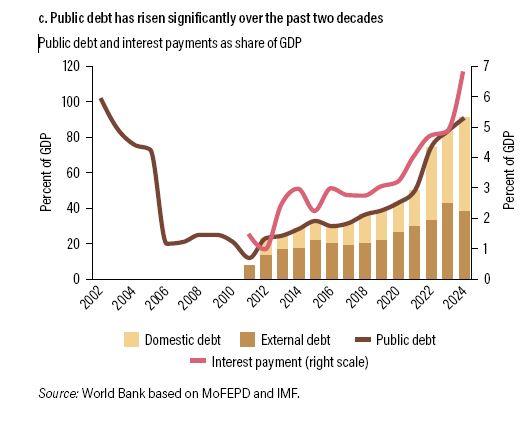
- Malawi’s debt load at K23.9 trillion (90.9 % of GDP) and interest payments climbing to K2.7 trillion squeeze fiscal space, threatening health, education and private sector investment.
- Debt restructuring stalled leaves Malawi in debt distress, slowing progress on economic recovery and limiting opportunities for local entrepreneurs.
Africa’s Union has released a Common African Position on Debt that urges a reshape of the world’s debt architecture. The AU argues that the current system fails many African nations, with 25 countries—including Malawi—either already in or at high risk of debt distress. According to AU data, African public debt‑to‑GDP rose from 28.8 % to 65.1 % between 2012 and 2024, while debt‑servicing costs surged more than 132 %, forcing at least 32 countries to allocate a larger share of budgets to debt repayments than to essential services.
AU Commission chairperson Mahmoud Ali Youssouf stressed that without decisive action the debt crisis will continue to erode progress toward the Sustainable Development Goals and Agenda 2063. He called on creditors, multilateral lenders and development partners to collaborate on just, inclusive and sustainable solutions. Youssouf highlighted that while debt can be a development tool, recent growth in many African nations has pushed the burden to unsustainable levels, diverting scarce resources from vital investments.
Beyond relief, the AU pushes African governments to reduce reliance on expensive external borrowing. Recommended actions include strengthening domestic revenue collection, broadening tax bases, curbing illicit financial flows and improving public debt management. The AU also encourages innovative financing instruments and greater private investment to support growth without worsening debt burdens.
For Malawi, the situation is stark. Domestic debt accounts for 65 % of the total K23.9 trillion, and interest payments for the 2026/27 fiscal year are projected at K2.7 trillion, a 22.9 % increase from the previous year. Finance Minister Joseph Mwanamvekha acknowledged that the current debt stock constrains fiscal space, yet the 2026/27 budget assumes restructuring will create room for spending.
The World Bank’s April 2026 Africa Economic Update reports that Malawi’s debt restructuring launched in mid‑2022 has stalled. The lapse of the International Monetary Fund programme left the country among the most difficult debt cases in sub‑Saharan Africa. While progress has been made with major bilateral creditors such as China and India, talks with commercial creditors remain slow, according to the Ministry of Finance.
Malawi’s debt distress status means the government struggles to meet financial obligations and faces a high risk of default. This limits the ability to fund infrastructure, public services and malonda (business) development, constraining zotsatira (practices) that could drive economic recovery.
Practical insights for Malawian entrepreneurs:
- Monitor AU debt reforms – New global rules may open cheaper financing avenues; stay informed to tap concessional funds.
- Prepare for fiscal space shifts – As the government seeks debt relief, there may be windows for public‑private partnerships and infrastructure projects.
- Strengthen domestic revenue channels – Local tax compliance and reducing illicit flows can improve the business climate and lower borrowing needs.
The AU’s push for a fairer debt system and Malawi’s urgent need for fiscal breathing room create both challenges and opportunities. Business leaders who engage with policy makers, explore innovative financing and improve domestic revenue collection will be best positioned to navigate the evolving economic landscape and contribute to Malawi’s longer‑term growth.
What are your thoughts on this business development? Share your insights and remember to follow us on Facebook and Twitter for the latest Malawi business news and opportunities. Visit us daily for comprehensive coverage of Malawi’s business landscape.

- Ministry Acknowledges Challenges for Small Firms, Focus on Path to Growth - October 5, 2026
- Malawi vendor commissions fuel business impact - October 5, 2026
- Debt Relief Talks Make ProgressBreakthrough in Debt Relief Talks - October 5, 2026