
Debt Threatens Climate Investment Growth – ActionAid for Malawi Entrepreneurs & Investors
Key Business Points
-
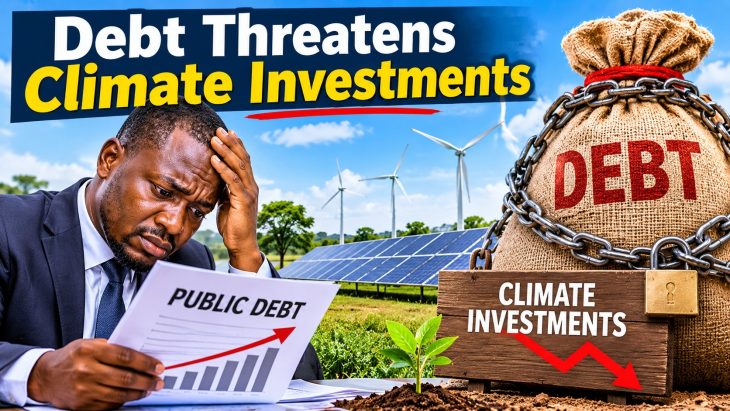
Debt repayments are crowding out climate action. ActionAid says Malawi may spend over 70 percent of its national budget on debt in 2026. Businesses should expect less climate finance and more pressure on public funds.
-
Cyclone recovery costs are high. After Cyclone Idai and Freddy, Malawi received loans. Recovery needs were huge. This limits new investment and increases budget risk.
- Climate shocks hurt growth. Malawi could lose 3 to 9 percent of GDP by 2030 and 8 to 16 percent by 2050 if current path continues. Entrepreneurs should plan for disasters.
Malawa’s business community is watching debt and climate risk. An ActionAid analysis says debt fuels the climate crisis. It uses Development Finance International data. The report projects 70 percent of Malawi annual budget will go to debt repayments in 2026. That is 129 percent of government revenue. Revenue was estimated at K6.2 trillion.
ActionAid said Malawi got a $70 million World Bank loan after Cyclone Idai in 2019 and $120 million after Cyclone Freddy in 2023. Recovery and reconstruction costs were $680 million. Over 650,000 people were displaced. More than two million were affected. Homes, schools, health facilities, roads, bridges, power infrastructure and 117,000 hectares of cropland were damaged.
The analysis finds climate vulnerable countries spend nearly 25 times more on debt repayments than climate action. 93.5 percent of countries most vulnerable to climate change are in debt crisis.
The Malawi Country Climate and Development Report estimates climate shocks cost 1.7 percent of GDP annually. It projects Malawi could lose 3 to 9 percent of GDP by 2030 and 8 to 16 percent by 2050 if it stays on low growth path. UNICEF data show 19 major flooding events, three severe droughts and five storm disasters between 2010 and 2025.
The Malawi Economic Justice Network said climate financing is less than 1 percent of national budget. It recommends 5 percent in line with Public Finance Management Strategy 2023/28.
Mejn regional manager for South Marvin Banda said inadequate funding for environmental sustainability can undermine Malawi Vision 2060 goals in agriculture commercialisation and industrialisation. He said investing in sector can help reduce climate related disasters and restore natural capital.
The K10.9 trillion 2026/27 National Budget projects tax revenue at K6.2 trillion and public debt interest payments at K2.7 trillion. That is 22.9 percent increase from revised K2.2 trillion in 2025/26.
Malawi public debt stock stood at K23.9 trillion, or 90.9 percent of GDP as of December 2025. Domestic debt accounted for K16 trillion, or 65 percent.
Minister of Foreign Affairs and International Cooperation George Chaponda, representing President Peter Mutharika at UN General Assembly in New York, called for predictable climate financing and comprehensive debt relief. He said Malawi cannot achieve sustainable development while "drowning in debt".
For the business community, the message is practical. Climate finance may stay limited while debt stays high. Local entrepreneurs should build disaster recovery plans, track ndalama needs and prepare chuma growth plans. Small businesses can seek green financing and climate smart agriculture support. Investors should watch public debt levels and climate risk reports.
For now, the practical step is to prepare disaster recovery plans and green financing options.
What are your thoughts on this business development? Share your insights and remember to follow us on Facebook and Twitter for the latest Malawi business news and opportunities. Visit us daily for comprehensive coverage of Malawi’s business landscape.

- Debt Threatens Climate Investment Growth – ActionAid for Malawi Entrepreneurs & Investors - November 11, 2026
- Malawi’s Debt Surges to $4 Billion – What It Means for Business Leaders - November 11, 2026
- PPDA Funding Directive Endorsed by Leading Business Experts - November 10, 2026