
ECAMA Calls for Immediate Action to Tame Skyrocketing Prices
Key Business Points
- Malawi’s inflation rate must drop from 23.4% to 15% by March 2027, requiring consistent quarterly declines in food prices, which make up over half of the inflation basket.
- The Reserve Bank of Malawi holds a 24% policy rate, meaning businesses should prepare for continued high borrowing costs and tighter credit conditions.
- Housing, electricity, and transport costs are rising fast, compounding pressure on households and businesses alike, but also opening opportunities for entrepreneurs who adapt quickly.
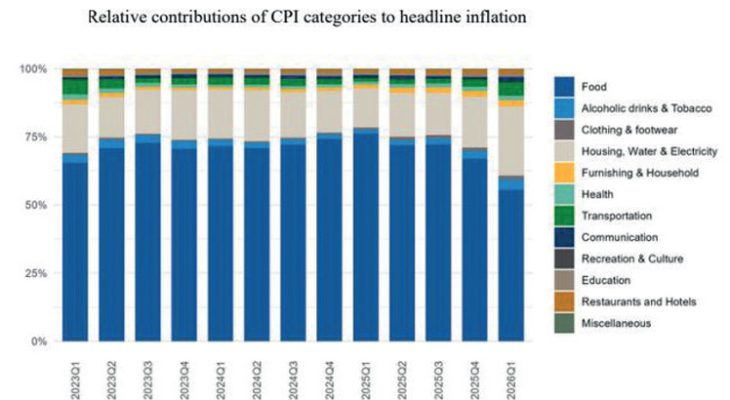
Malawi’s economy faces a steep challenge in bringing inflation down to 15% by March 2027, according to the Economics Association of Malawi (ECAMA). Headline inflation hit 23.4% in the first quarter of 2026, with food prices driving more than half of that figure at 53.7% of the inflation basket. Rising electricity tariffs, fuel costs, and a weakening kwacha are all making the path to stability harder.
To hit the target, food inflation must fall by at least 1.5 percentage points every quarter. ECAMA warns that stubbornly high fertilizer prices, transport costs, and ongoing currency depreciation put that trajectory at serious risk. The central bank’s tight monetary stance, which includes a 24% policy rate and increased liquidity reserve requirements, is designed to cool demand but may also squeeze access to business credit in the short term.
Housing, water, and electricity now account for 23.7% of inflation, up sharply from 18% in 2023, largely due to pending electricity tariff adjustments. Transport costs have also climbed, now sitting at 5% of inflation driven by fuel price volatility. Economists caution that even if official numbers improve, households could face disinflation without affordability where prices are technically falling but daily life remains unmanageable for most people.
For Malawi’s business community, the message is clear: adapt or get squeezed. Entrepreneurs should explore local sourcing to reduce exposure to exchange rate swings and look seriously at energy-efficient solutions as utility bills continue to climb. The informal sector, which employs the majority of Malawians, has real room to grow by offering affordable goods and services to cost-conscious consumers.
Global oil price swings and foreign exchange shortages remain a direct threat to transport and import-dependent businesses. Diversifying suppliers and exploring basic hedging strategies are worth considering now rather than later. Meanwhile, the agro-processing and renewable energy sectors offer genuine growth potential for businesses willing to reduce reliance on volatile imports.
Mzuzu University lecturer Christopher Mbukwa put it plainly: without real intervention, the cost of living will stay high regardless of what the headline numbers show. For Malawi’s entrepreneurs, staying informed and staying agile is not optional. It is the difference between surviving this period and building something that lasts through it.
What are your thoughts on this? Share your insights and follow us on Facebook and Twitter for the latest Malawi business news and opportunities.

- K82 Million Monthly Revenue: Malawi’s Water Bottling Opportunity - October 6, 2026
- CFTC Calls for Deeper Regional Ties to Expand Malawi’s Market Access - October 6, 2026
- Costly Money Transfers to Malawi Hamper Business Growth – The Times Group - October 6, 2026